NATO summit starts in Vilnius. Accession of Ukraine is among the main issues
The NATO summit begins in the capital of Lithuania, Vilnius. The alliance will reshape its defense forces to immediately respond to a possible attack, announced Jens Stoltenberg, the secretary general of the organization. Among the main topics of the meeting are Ukraine's accession to NATO, combating Russian aggression and improving the defense capabilities of member countries. A day before the meeting, Stoltenberg announced that the Allies could shorten the accession process for Ukraine by a step and that it would be part of the North Atlantic Alliance, but not during the war.
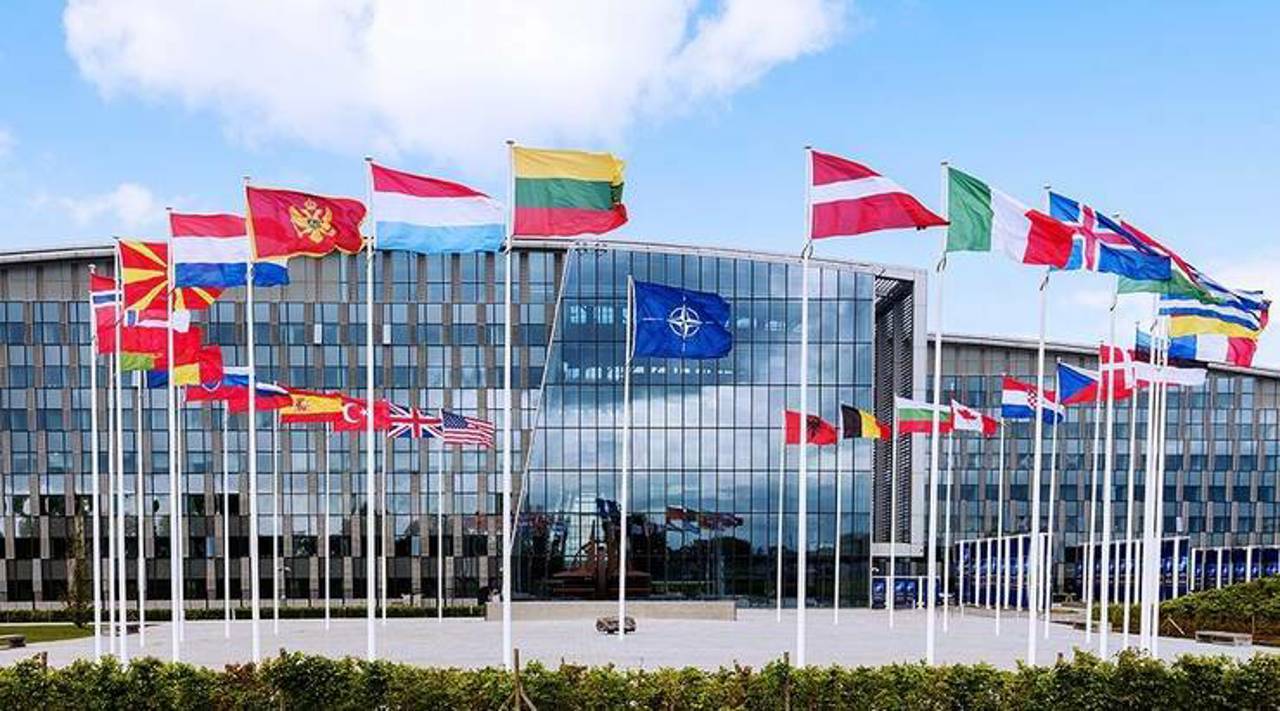
NATO allies have agreed on regional plans detailing how the alliance would respond to a Russian attack, overcoming Turkey's blockade, a day before leaders meet in Vilnius.
Ankara agreed to support Sweden's accession to NATO. Stockholm decided to join the organization after the Russian invasion of Ukraine.
At the same time, the Secretary General of NATO, Jens Stoltenberg, announced that the member states of the alliance will examine during the meeting the reduction of Ukraine's accession process, respectively the abandonment of the Action Plan for the accession to the Alliance.
Ukrainian President Volodymyr Zelensky is expected to attend the summit on its second day, on July 12. The first meeting of the Ukraine-NATO Council is also scheduled for Wednesday.
"We are working extremely hard these days! Even more active than ever. Although this work is almost 100% behind the scenes, it is no less important than any public work. Everyone understands everything. Every leader, every state. Even if different positions are expressed, it is clear that Ukraine deserves to be in the Alliance. Not now - there is a war, but we need a clear signal. And we need this signal right now," said Volodymyr Zelensky.
In addition to the support given to Ukraine and its accession to NATO, the leaders of the North Atlantic Alliance will discuss several other important topics in Vilnius. In particular, the need to stockpile weapons and to consider the first joint defense plans in decades.
Increasing military budgets is also on the agenda. Each NATO member state will have to increase its military budget to at least 2% of GDP.
The goal was set in 2014, when leaders of NATO member states agreed to increase defense spending over ten years. According to Reuters, only 11 of the 31 NATO countries currently spend more than 2 percent of their national GDP on defense, including summit host Lithuania, the United States, Britain, Poland, Estonia, Romania, Hungary, Latvia, Slovakia, Greece and Finland, which recently joined the alliance.