Increased security measures at the Lithuanian-Russian border. Bridge between the two countries closed to traffic
Increased security measures at the Lithuanian-Russian border. The bridge between the two countries, which represents the state border, is closed to car traffic. Because of the tense geopolitical situation, but also because of the growing flow of migrants arriving here via Belarus, officials in Vilnius have tightened border controls with Belarus as well. Checks have been steadily tightened since the Russian invasion of Ukraine.
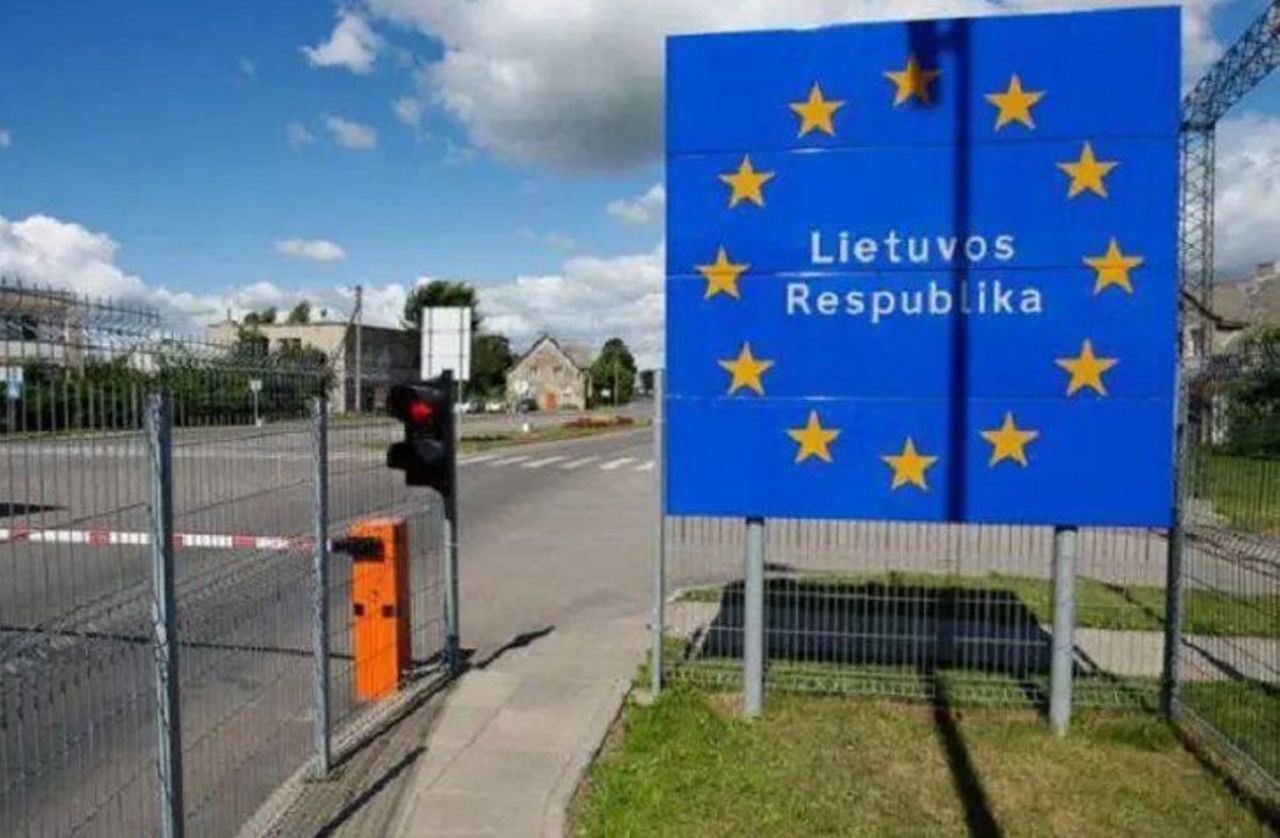
The Lithuanian-Russian border stretches along the Neman river. Because of the tense geopolitical situation, Vilnius has tightened border controls. Most people from Panyamune and neighbouring Lithuanian towns do not travel to Russia. But some have relatives living on the other side of the bridge.
During the NATO summit in Vilnius, and because of speculation about possible provocations, Lithuania's state borders were guarded more closely.
"We have strengthened surveillance to the maximum level and in fact introduced a number of new measures at the border, from the deployment of an additional contingent - to the installation of a new technical system and cooperation with our partners both nationally and internationally," said Rustam Liubaev, head of the Lithuanian Border Police.
Vigilance has also been stepped up at the border with Belarus, where the migrant route passes.
Last year, only 34 asylum applications were accepted.
Ahmed from Iraq tried to apply for asylum in Lithuania several times before being heard. His arguments were recognised and he was granted asylum.
"It is very dangerous to live in my country. I tried to come to Lithuania three times, but each time I was caught by the police and forced to return to Minsk," Ahmed said.
However, human rights activists say the figures do not reflect reality.
"The government always claims to have stopped migration. But in reality it only announces the number of people who have been turned away, and we don't know any success stories. At the same time, we see that people keep coming," said Emilia Svobaite, a human rights activist.
The threat of challenges, either in the days of NATO negotiations or after, persists. That's why border guards on Europe's eastern flank remain on alert.