Tiraspol rejects European aid, raising concerns over Russian funding
Tiraspol's decision to reject European aid and to import gas through intermediaries has sparked uncertainties about its economic impact and the true source of funding, experts suggest.
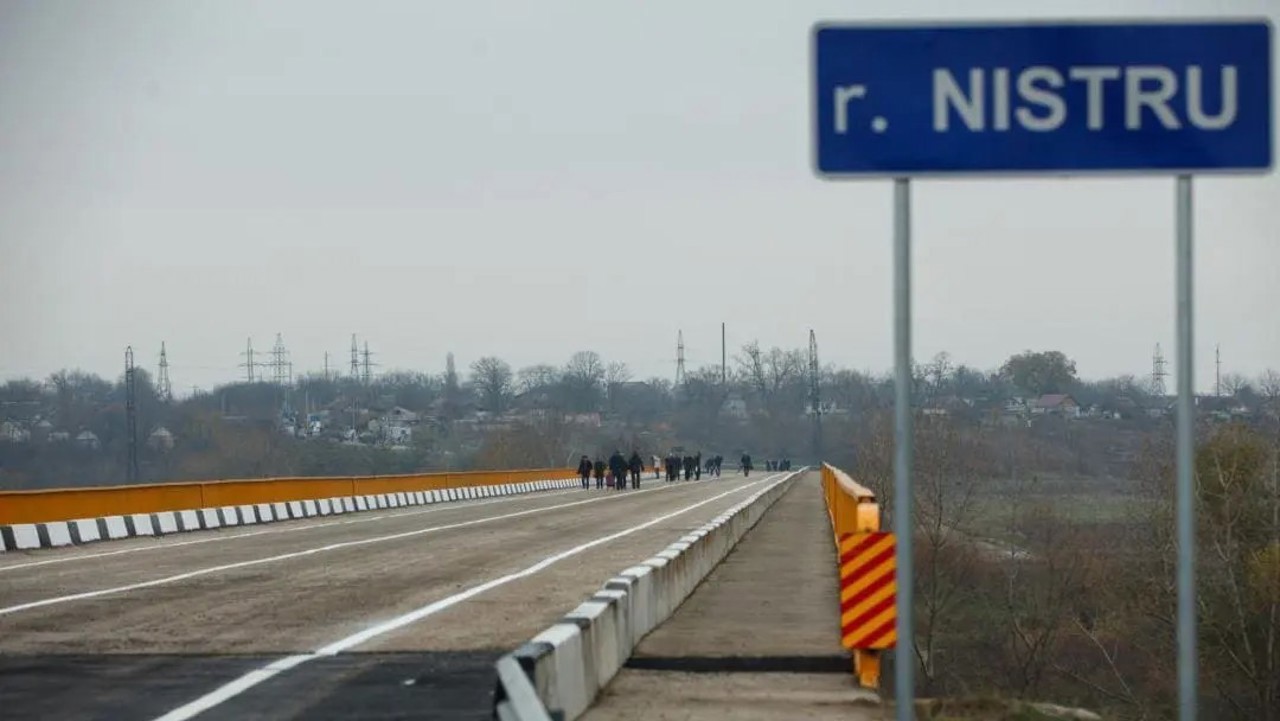
They argue that this move could lead to an artificially inflated debt for the region, which could eventually become an economic burden for Moldova. Although the transaction is being carried out through intermediaries, analysts point out that the funding could indirectly come from Russia, thus maintaining Tiraspol’s energy and economic dependence on Moscow.
A disguised loan? Experts suggest Moscow may be covering the gas costs
Andrei Curăraru, a Watchdog expert, argues that this arrangement could hide a Russian loan, given that separatist leader Vadim Krasnoselski recently announced financial support from Moscow. Curăraru adds that although the government claims the two companies involved have been verified and found to be compliant, there are suspicions about the Hungarian firm.
Analyst Nicolae Negru shares a similar view. He highlights that the funding for this gas supply scheme may, in fact, originate from Russia through a well-concealed mechanism. "It is probably evident that this money is coming from Moscow, not from elsewhere. Who would pay for the gas for the Transnistrians? It's a company from Dubai, but who is behind it? Mr. Recean says he has verified the company and that no Moldovan citizens or sanctioned individuals are involved, but we can't be sure that Russia or someone from the Kremlin, or the FSB, didn’t organize this to obscure the true identity of the people or institutions behind this company," Negru commented.
Negru argues that this scheme clearly shows Russia has not relinquished control over Transnistria and likely will not do so anytime soon.
Rejecting EU aid and accepting the Hungarian scheme as a way to increase debt
Rejecting EU aid and opting for a deal with Hungary is also seen as a method of artificially indebting the region and masking Russian financial flows, Curăraru notes. "It was clear that a broader European aid package would not be accepted, as that would mean a loss of Moscow’s influence in the region. The Kremlin could not allow that. This new scheme is essentially a way to further indebting the region," he explains. This accumulating debt could become a long-term issue, especially in the context of possible reintegration of Transnistria, according to the expert.
"The region will accumulate massive external debt, which will be tied to the reintegration process. If we ever reach a point where we undertake reintegration, we will have to assume these external debts. This is a way to artificially increase the region’s debt, but also possibly a scheme to hide Russian funds from sanctions," he explained.
Moldova’s conditions for gas transit to Transnistria
To allow the gas transit, Chișinău has imposed several conditions on the separatist regime, including the release of political prisoners, resolving the issue of the Rîbnița school, keeping Moldova 1 television in the broadcast grid, and removing control posts established in 2022.
Curăraru believes these conditions are useful, but insufficient to influence the economy of the Transnistrian region. "These political conditions are certainly welcome. Chișinău can stop the gas transit if the situation with democracy in the region worsens, but these conditions do not necessarily impact the region’s economy. They don't help our entrepreneurs, who compete with products from the region sold on the right bank," he adds.
Moldova government permits 3 million cubic meters of gas per day to Transnistria
The Transnistrian region will receive natural gas through a Hungarian company, following the Moldovan government’s decision to grant an exemption from current legislation. Moldovagaz will sign direct contracts for the supply of gas to the left bank of the Dniester, and starting February 13, the region will receive 3 million cubic meters of gas daily. The additional volume will be taxed by Chișinău.
This decision comes after Tiraspol refused the European grant of 60 million euros, which would have helped reduce the region’s energy dependence. The European aid was conditional on a gradual increase in energy tariffs for consumers and companies, a measure rejected by the separatist administration.
Prime Minister Dorin Recean stated that although Tiraspol’s chosen solution does not resolve the long-term issue, Chișinău will not block gas delivery to avoid a social crisis. At the same time, the government will impose new fiscal rules for gas consumption exceeding the established limit.
Tiraspol rejects European aid of 60 million euros
The European Union recently approved an energy support package worth 250 million euros for Moldova, of which 30 million euros have already been allocated for purchasing electricity and gas for the region. Another 100 million euros will be provided by mid-April to compensate for bills paid by consumers on the right bank of the Dniester, while 60 million euros were earmarked to assist citizens in Transnistria, subject to the respect of fundamental rights and energy tariff adjustments.
The energy crisis in the region began after Gazprom halted natural gas deliveries to Moldova on January 1, significantly affecting the left bank, where separatist authorities had previously received free gas from Russia. On January 27, Prime Minister Dorin Recean announced that the European Union would provide Moldova with an emergency grant of 30 million euros for the purchase of natural gas, and the government approved the loan of 3 million cubic meters of gas to Transnistria to maintain pressure in the pipelines until January 31. Starting February 1, gas purchased with European grant funds began being delivered for the needs of the population and electricity production at the Cuciurgan power plant.
Translation by Iurie Tataru