Gas for the Transnistrian region // Hungarian company claims that transit depends on Ukraine
The Hungarian MET Group confirmed its readiness to deliver natural gas to the Republic of Moldova. However, these deliveries can only occur if Ukraine's Gas Transmission System Operator permits transit. In its statement, MET emphasized that the current situation is humanitarian and requires support from the entire European community. Experts warn that Tiraspol's refusal to accept European aid and its reliance on intermediaries create economic uncertainties. Additionally, there are concerns that financing may indirectly come from Russia, which could reinforce Moscow's influence in the region.
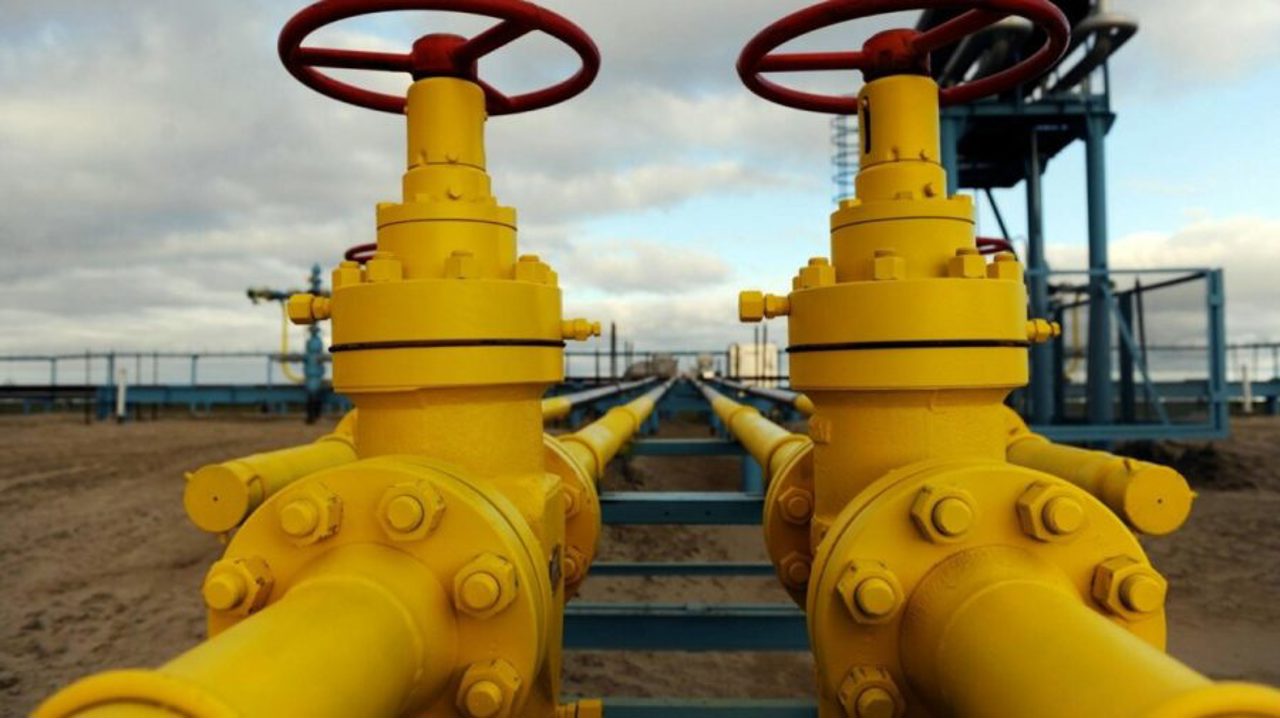
The MET Group has announced its readiness to deliver gas to any point in Europe, including the Republic of Moldova. However, these deliveries can only proceed if the Ukrainian Gas Transmission System Operator is ready. The company emphasized that this is a humanitarian situation that requires immediate assistance not only from them but also from the entire European community. They clarified that they are not financing these gas deliveries.
"We do not control or get involved in decisions regarding the Republic of Moldova’s financing for this gas source. However, we hope that the Republic of Moldova will identify multiple alternative sources, including the package offered by the EU, which we support," the MET Group added.
Following the refusal of the Tiraspol administration to accept €60 million in European aid, the Moldovan government has adopted a temporary measure to allow gas deliveries to the Transnistrian region through a European trader. Under the decision of the Commission for Emergencies (CSE), starting February 13, Tiraspol will receive 3 million cubic meters of gas daily, while any additional volume will be subject to taxation by the authorities in Chișinău.
The deliveries will be carried out by MET Gas and Energy Marketing AG, an active trader in the European gas market, with payment facilitated by JNX General Trading L.L.C. from Dubai. The gas will be transported to the border of the Republic of Moldova and then delivered to the Transnistrian region through an agreement between Moldovagaz and Tiraspoltransgaz.
On February 11 and 12, Moldovagaz sold 2 million cubic meters of gas to Tiraspoltransgaz and borrowed another 3 million cubic meters, which must be returned by the end of March.
Prime Minister Dorin Recean stated that this solution is temporary and reassured that the government will not block gas deliveries to prevent a crisis in the region. In exchange for this permission, Chișinău stipulated several conditions for Tiraspol, including the release of political prisoners, solving issues related to the Romanian high school in Ribnița, maintaining the public TV channel Moldova 1 in the TV grid, and removing certain control posts established in 2022.
Experts raised concerns that Tiraspol's decision to reject European aid and rely on intermediaries for gas could create uncertainties regarding the economic impact and true source of financing. They caution that this situation might lead to an artificial increase in the region's debt, potentially becoming an economic burden for the Republic of Moldova in the future.
Analysts highlight that even though the transactions are conducted through intermediaries, the financing may indirectly originate from Russia, thereby extending Tiraspol's energy and economic dependence on Moscow.
Prime Minister Dorin Recean also pointed out that the Tiraspol regime had declined the European Union's €60 million support, which could have helped reduce the energy dependence of the Transnistrian region. He noted that the left bank of the Nistru will receive gas through a Hungarian company. While he acknowledged that this solution does not address the issue in the long term, he affirmed that the government in Chișinău would not block gas supplies to ensure the population on the left bank does not face freezing conditions.
We remind you that the European Union has recently approved a €250 million energy support package for Moldova. Of this amount, €30 million has already been allocated for the purchase of electricity and gas delivery to the region. An additional €100 million will be provided by mid-April to compensate for bills paid by consumers on the right bank of the Nistru, while €60 million was specifically designated to support citizens in the Transnistrian region, contingent upon the respect for fundamental rights and adjustments to energy tariffs.
The energy crisis in the region began on January 1, when Gazprom halted all natural gas supplies to Moldova, significantly affecting the left bank of the Nistru, where separatist authorities had previously received free gas from Russia. On January 27, Prime Minister Dorin Recean announced that the European Union is offering the country an emergency grant of €30 million for the purchase of natural gas. Subsequently, the government approved the loan of 3 million cubic meters of gas to the Transnistrian region to maintain necessary pipeline pressure until January 31. Starting February 1, gas sourced from the European grant for the needs of the population and for electricity production at the Cuciurgan Power Plant began to be delivered to the region.