EU plans to increase US gas imports and cut Russian reliance
The European Union plans to boost gas imports from countries like the United States to replace Russian deliveries and speed up the transition to renewable energy, announced European Commissioner for Energy, Dan Jørgensen.
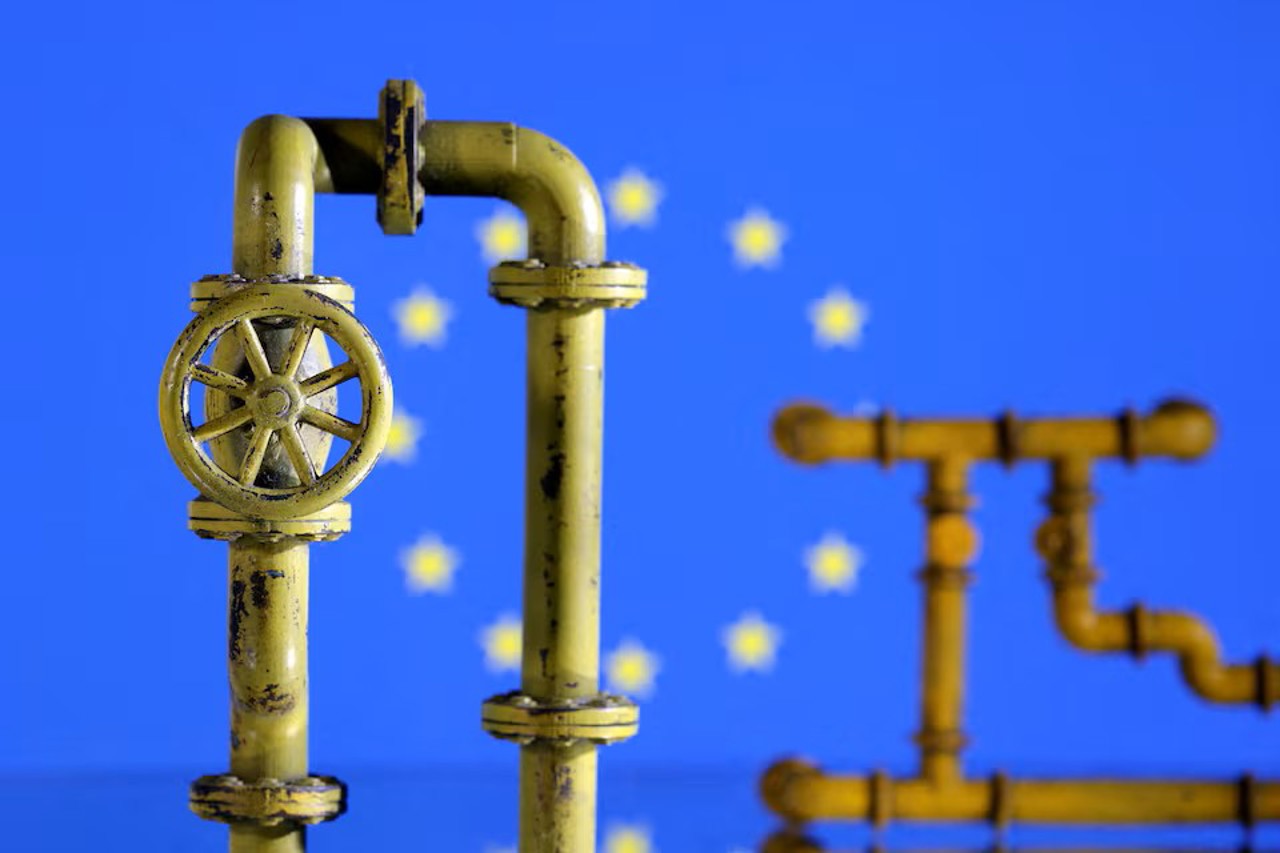
The EU has pledged to phase out fossil fuels from Russia by 2027, in response to the 2022 invasion of Ukraine. Although Russian pipeline deliveries have dropped significantly, LNG imports from Russia rose last year, according to Reuters.
"Instead of using taxpayer money to pay for gas that fuels Putin's war chest, we must ensure that we generate our own energy," Jørgensen said. He mentioned that Brussels is preparing legislative changes to speed up the development of renewable energy infrastructure.
For sectors where gas cannot be quickly replaced by electricity, such as heavy industry or home heating, the EU will step up efforts to find alternative sources. "Gas will still be necessary, but we must ensure that it is affordable and not Russian. This might mean increased imports from the US," Jørgensen emphasized.
Amid market volatility, with European gas reference prices reaching their highest levels in two years, the European Commission is working on introducing "financial tools" to decouple electricity prices from gas prices. Additionally, Brussels is preparing stricter regulatory measures to prevent speculative fluctuations in the market.
Under EU legislation, gas supply contracts must be concluded by 2049 to meet the bloc's goal of net-zero emissions by 2050. Jørgensen declined to comment on the recently leaked preliminary documents but confirmed that official plans would be published next week.
Record levels of LNG imports from Russia in Europe
In 2024, Europe imported a record 17.8 million tons of LNG from Russia, according to Rystad Energy, over 2 million tons more than the previous year. This volume made Russia the second-largest LNG supplier to Europe, surpassing Qatar and trailing only the United States.
The rise in imports came despite the EU's efforts to reduce its energy dependence on Moscow in the context of the war in Ukraine. While pipeline deliveries decreased—especially with Ukraine halting Russian gas flows through its territory—LNG purchases were bolstered, according to analysts, by the lower prices offered by Russia and the lack of direct sanctions on this type of fuel.
In 2024, Europe brought in approximately 49.5 billion cubic meters of gas through pipelines and 24.2 billion cubic meters as LNG from Russia. Some of this gas was resold outside the EU, taking advantage of "glaring loopholes" in the sanctions regime, according to Ukrainian activists.
Translation by Iurie Tataru