Macron: Russia has turned Ukraine war into a global conflict
Russia has escalated the war in Ukraine into a global conflict, French President Emmanuel Macron declared in a national address on the evening of March 5.
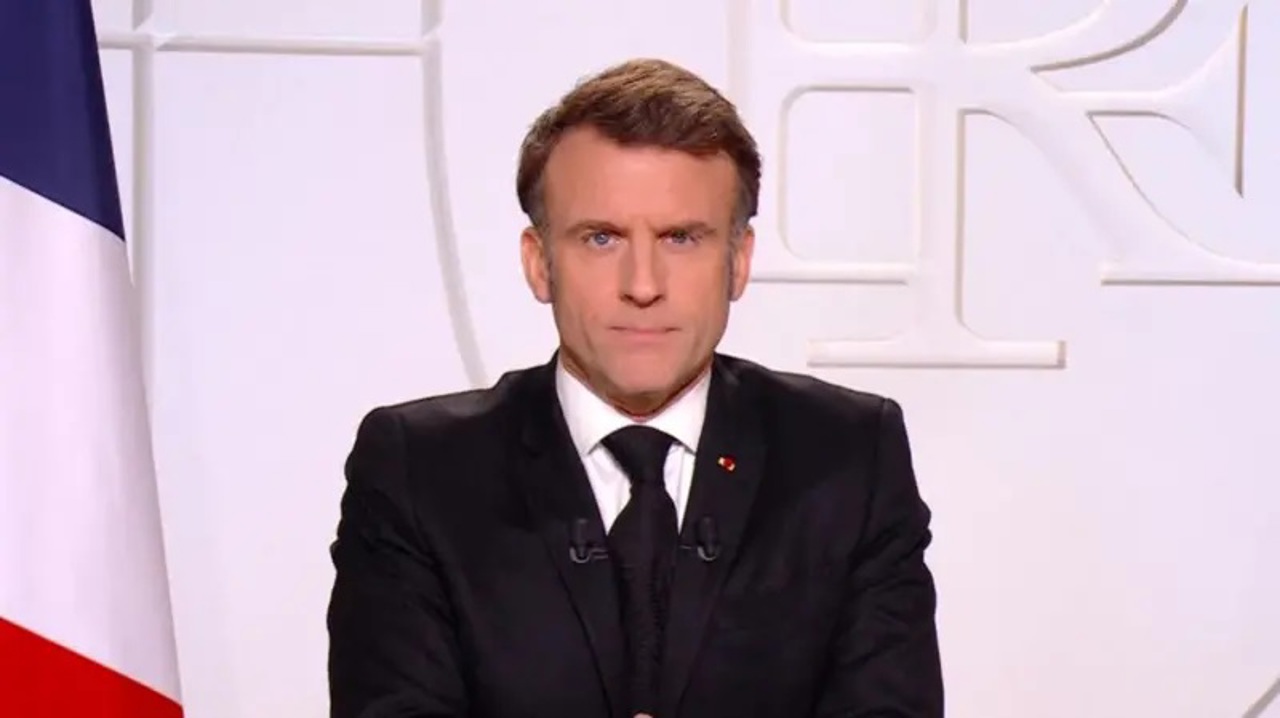
He asserted that the Russian threat persists and impacts all of Europe, including France, according to the Euronews.
Macron also welcomed all peace initiatives but emphasized that peace cannot come at Ukraine’s expense, nor should Russia be allowed to dictate the terms.
In response to calls from Germany’s presumed future chancellor, Friedrich Merz, to transfer command of France’s nuclear forces to a European level, Macron underscored that control over these weapons would remain solely with France.
He further stated that "we have the most capable military in Europe," but that it must be strengthened. He noted that France’s military budget has doubled over the past decade, yet considering current threats, it must be further expanded. At the same time, he reassured that taxes would not be increased.
According to Radio Svoboda, Macron announced in his televised address on Wednesday evening that, given the threat Russia poses to the European Union and potential shifts in U.S. policy, he would initiate discussions on France, as a nuclear power, guaranteeing the security of other EU member states.
Earlier, various media outlets reported that France has expressed willingness to deploy additional nuclear-capable fighter jets to Germany. Should the United States reduce its military presence in Europe or withdraw entirely, this would mean that Germany and possibly other EU countries would fall under France’s "nuclear umbrella" rather than America’s. Macron referenced statements by Germany’s presumed future chancellor, Friedrich Merz, who has advocated for extending the "nuclear umbrella" of France and the United Kingdom over Germany.
Macron reaffirmed that the decision to use nuclear weapons would remain exclusively within the authority of the French president.
European leaders will attend the Extraordinary European Council meeting on March 6. This meeting follows a smaller-format summit in London, where EU representatives discussed the situation in Ukraine and Europe’s defense strategy.
The discussions in Brussels are taking place against the backdrop of the United States putting its promised military aid to Ukraine on hold. EU leaders will explore funding strategies to bolster defense preparedness, deter any potential future Russian aggression, and reduce dependence on the United States for security.
Ukrainian President Volodymyr Zelensky is also expected to attend the meeting, where EU leaders are set to reaffirm their unwavering support for Ukraine’s independence and territorial integrity.
Translation by Iurie Tataru