Kaja Kallas: The Republic of Moldova's accession in 2028 depends on reforms and the support of the 27 EU states
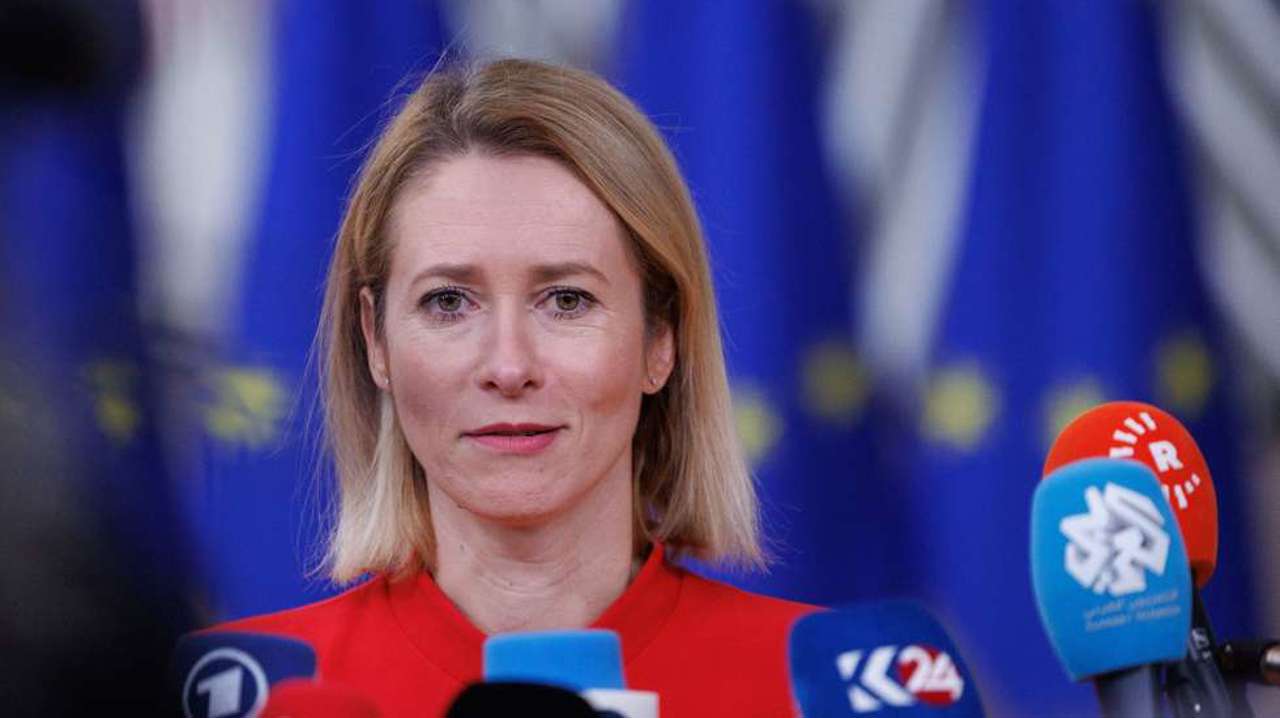
The possibility of the Republic of Moldova joining the European Union by 2028 depends largely on the pace of reforms implemented by the authorities in Chisinau, but also on the consensus of all 27 member states of the community bloc. The European Union will not make concessions in this process, and the reforms requested are "tough, but necessary for the prosperity of citizens". The statements were made exclusively for Radio Moldova by the EU High Representative for Foreign Affairs and Security Policy, Vice-President of the European Commission Kaja Kallas, in the show "Dimineata cu Radio Moldova".
According to the EU High Representative, the status of candidate country implies clear responsibilities and a sustained effort for reform. The reforms required by the EU are not formally imposed, but aim at concrete results for citizens.
Indeed, this status of candidate country imposes certain obligations, namely during reforms. We also demand that candidate countries carry out reforms. These are not reforms that we want to carry out just for the sake of reforms. We want these reforms to be implemented for the prosperity of citizens.
Speaking about the experience of Estonia, Kallas mentioned that a functioning judicial system and a credible rule of law can attract investment and generate wealth.
Let me give you just one example. If investors trust the judicial system to be functioning, they will trust the rule of law, they will certainly invest in the economy. This means jobs, which means better living conditions for citizens.
Kaja Kallas reiterated that the European Union will not make exceptions to the rules established for accession. “These reforms are tough, they are difficult, but we will support the Republic of Moldova.”
Referring to the 2028 objective of Moldova's accession to the EU, Kaja Kallas explained that the path depends primarily on the authorities in Chisinau. ***"Of course, the first thing that the Republic of Moldova must accomplish is all the reforms and all the steps that you must take in the accession process. This depends very much on you, on your government, on how these reforms will be carried out." *** In addition, the Vice-President of the European Commission implied that the accession process remains dictated by the position of the 27 member states, but in the end, the country's progress will decide whether the 2028 deadline remains feasible.
I know that there is enormous support for the Republic of Moldova. For this reason, to return to your question, how feasible this objective is towards 2028 - this depends very much on the progress you have made.
The 2028 deadline is increasingly being invoked in the speeches of officials in Chisinau as a foreign policy objective. Prime Minister Dorin Recean recently reiterated that the Republic of Moldova aims to sign the accession treaty by the end of this decade.
The head of the Cabinet of Ministers in Chisinau noted that the country has already completed the screening for more than half of the clusters of the community acquis, and negotiations are advancing. At the same time, sources in Brussels confirmed to Teleradio-Moldova that the European Union is preparing new steps to deepen economic integration, such as trade liberalization and the adoption of the single community customs system, measures that would facilitate transport and trade relations at the border of the Republic of Moldova with the EU.