Alexei Buzu: Hiring people with disabilities is progressing too slowly — we will increase investment
The Republic of Moldova has made significant strides in adopting inclusive programs to integrate people with disabilities into the workforce. However, progress remains slow, primarily due to the lack of essential infrastructure. This was stated by the Minister of Labor and Social Protection, Alexei Buzu, during the "Pe Față" show on Moldova 1 TV. He highlighted that, as of 2023, the ministry's offices have only recently been adapted to improve accessibility for people with disabilities.
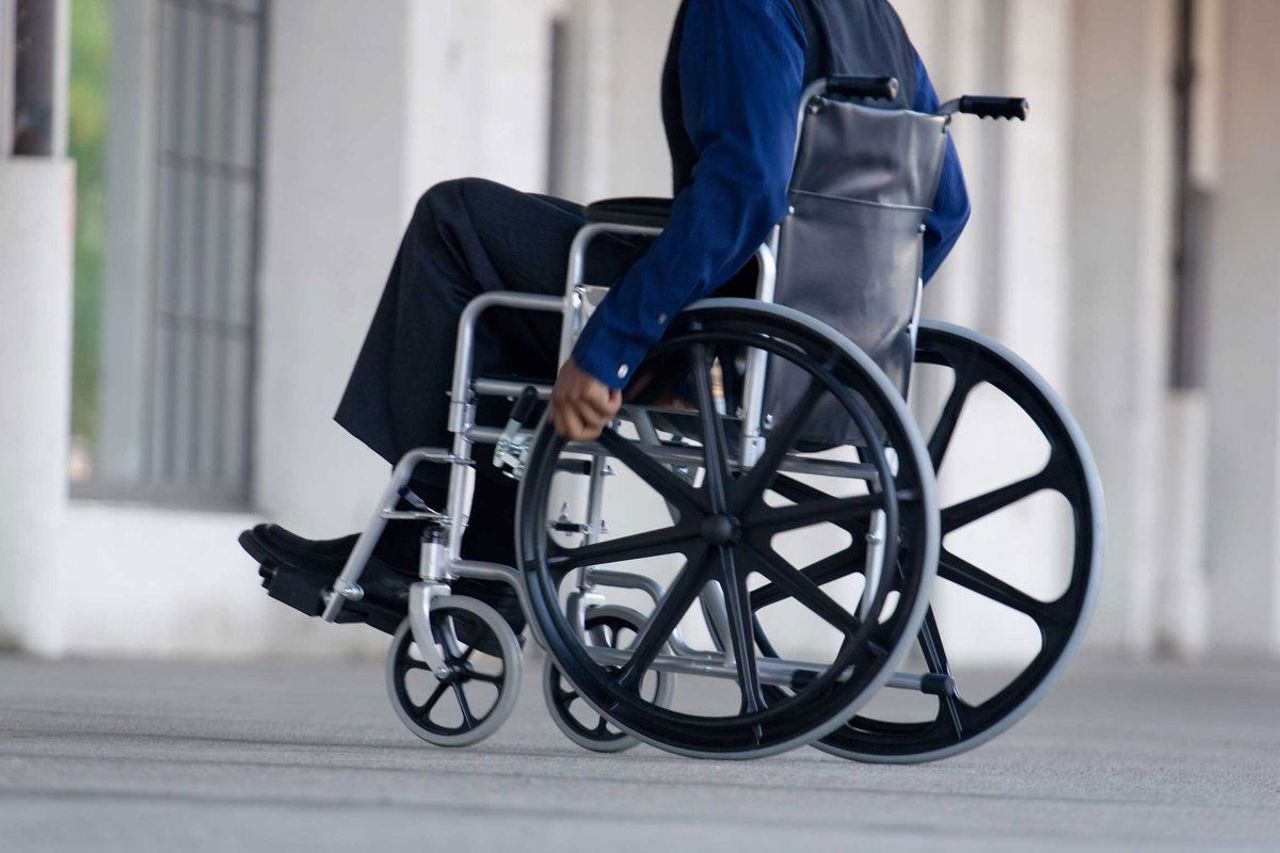
We still have a lot of work to do. At the ministry, we approach this task with joy and shame, as it was only in 2023 that we adapted our offices to be accessible for people with disabilities. Individuals in wheelchairs or with visual impairments must be able to work independently within the ministry team. In practice, when a ministry implements its own policies, it better understands the associated costs and challenges.
Alexei Buzu mentioned that, in the upcoming period, increased investments will be made to promote inclusion and ensure equal access to the labor market, in line with the commitments made during the European Union accession process. More outstanding efforts will also be made to include children with disabilities in schools nationwide.
We held a screening session in April, and regarding chapter 19, we anticipate more investments in this area. The infrastructure in the Republic of Moldova needs to become much more inclusive, and we will allocate additional resources towards this goal.
A concrete example is the program implemented by the National Employment Agency, which allows employers to access government funds to adapt workplaces for people with disabilities. According to ANOFM, businesses that create or modify a workplace for individuals with disabilities and hire unemployed people from this group will receive compensation for 50% of the costs associated with creating or adapting the workspace. The subsidy amount is over 73,000 lei and cannot exceed 10 times the average monthly salary in the economy from the previous year for each workplace created or adapted.
Employers can obtain government resources to make their workplaces more inclusive, and the number of beneficiaries utilising these programs is steadily increasing.
Respecting, promoting, and protecting the rights of individuals with disabilities on equal terms with others is the essential objective that the Republic of Moldova committed to 14 years ago when it ratified the UN Convention.
According to statistical data, over 162,000 people with disabilities live in the Republic of Moldova, which constitutes approximately 7% of the country's population.