Drones, uniforms, and military software: Moldova can access EU defense funding only via partnerships with member states
The Republic of Moldova has the potential to benefit from funding for its defense industry and the acquisition of military equipment through the Security Action for Europe (SAFE) program. Although direct access to these funds is limited to European Union (EU) member states, experts suggest that Moldova can play a significant role by forming strategic partnerships, particularly in areas such as information technology and the development of military components.
Romanian analyst Marius Ghincea, who specializes in European security, believes that the current geopolitical climate, characterized by the partial withdrawal of American forces from Europe, has compelled EU leaders to reassess their defense policies.
"Few European states can provide Ukraine with the military equipment that only the United States can supply, at least in the next 5 to 10 years. Ukraine's dependence on high-tech equipment, particularly anti-aircraft defense systems from the U.S., remains crucial. America's withdrawal from providing these military needs will have significant humanitarian and strategic consequences," Ghincea explains.
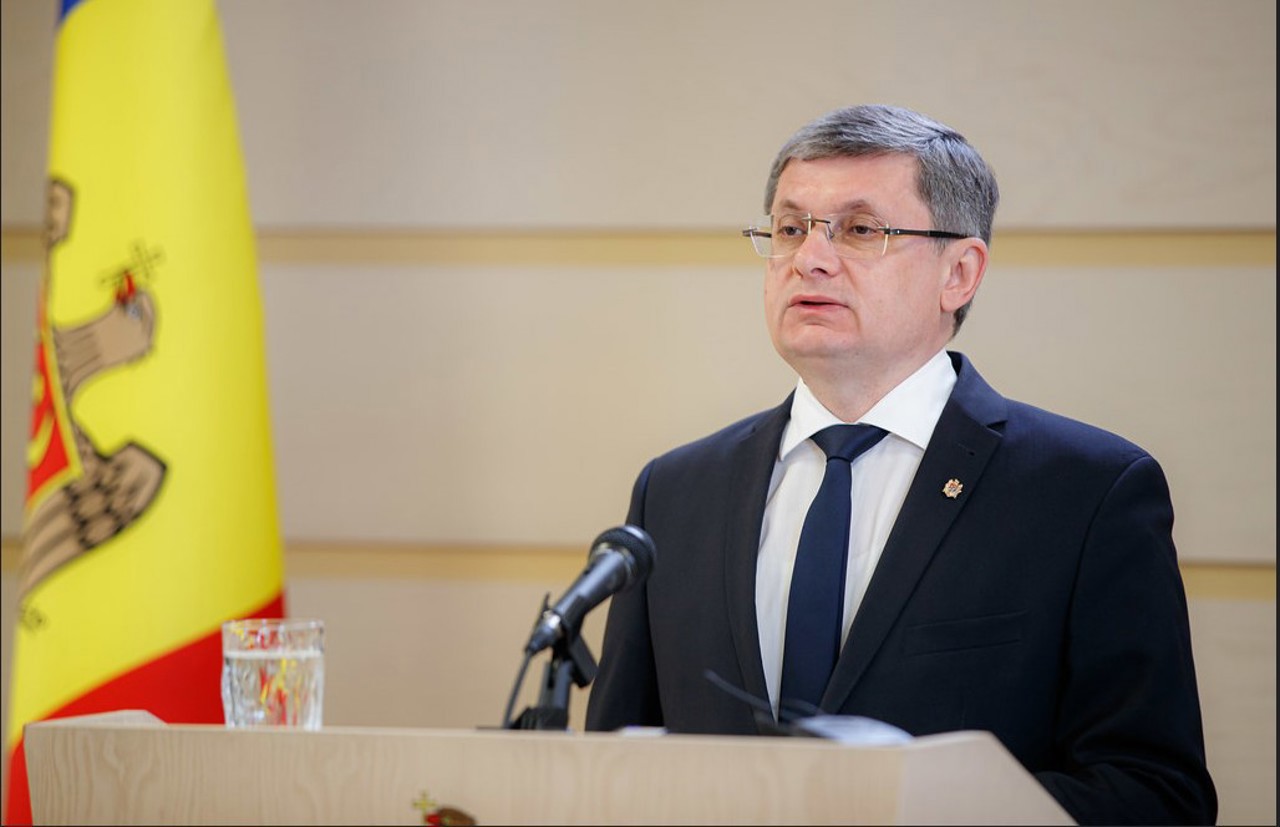
Regarding eligibility for SAFE funds, Ghincea sees this as a clear strategy to enhance European autonomy, but he also identifies opportunities for Moldova. "In May 2024, Moldova signed a Security and Defense Agreement with the European Union, which allows it to access, in partnership with other member states, the loan funding that the European Commission provides to develop various security clusters. From this perspective, Moldova can collaborate with Romania or Poland to form a defense cluster aimed at developing capabilities on Moldovan territory."
Security expert Artur Leșcu echoes this viewpoint. He notes that while the Republic of Moldova cannot access these funds directly, it can participate as a project partner alongside EU member states, thereby opening avenues for collaboration in the defense sector.
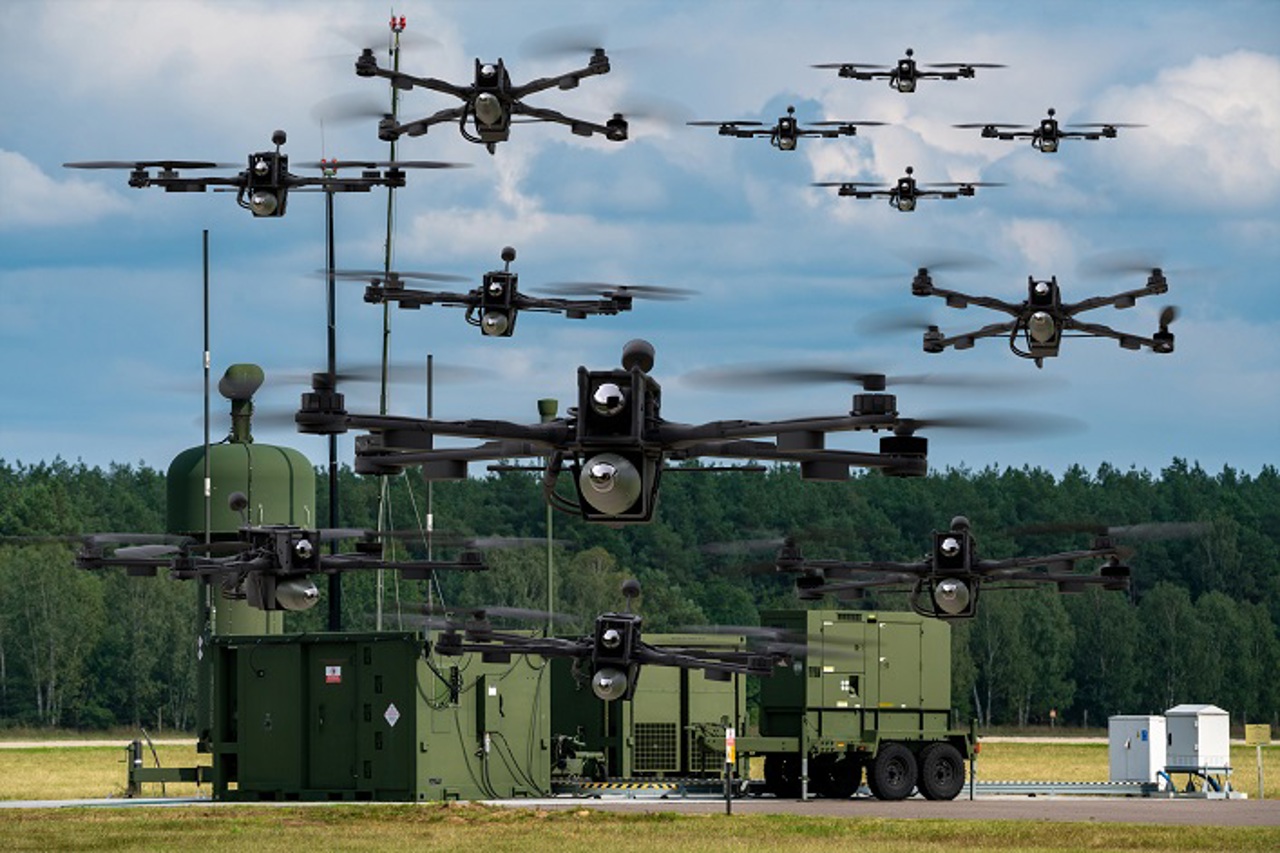
"We may not receive money directly from the SAFE fund, but we can cooperate in various aspects of the military industry. While Moldova may not be able to produce tanks or machine guns in the near future, it is relatively feasible to manufacture certain systems within the defense industry, such as drones. We could also explore other sectors of military production, such as military uniforms or bulletproof vests," Leșcu argues.
He emphasizes that developing a defense industry requires not only financing but also skilled human resources, particularly in the IT sector. Leșcu also highlights the potential of dual-use technologies that can serve both military and civilian purposes.
"We cannot rely on space industries to build a satellite immediately, but we can certainly collaborate on the programming aspects. We have specialists and a generation of young talent already trained in the Republic of Moldova. The drones used on the battlefield can be effectively utilized in agricultural fields as well. Therefore, there is significant potential for integrating Moldova into this industrial circuit," Leșcu concludes.
The European Union has adopted a regulation establishing the Security Action for Europe (SAFE) instrument, which is a €150 billion program designed to finance the defense industry of Member States. This includes funding for the procurement of military equipment for Ukraine. Any Member State or potential candidate country is eligible to apply for this program. The SAFE initiative will come into effect on Thursday, May 29, upon publication in the Official Journal of the European Union.
SAFE is part of the larger ReArm Europe / ReAtiness 2030 project, launched by the European Commission. This project allows Member States to increase their defense spending by up to €650 billion by easing fiscal rules.