From sun to stability: How Moldova is preparing for its energy future
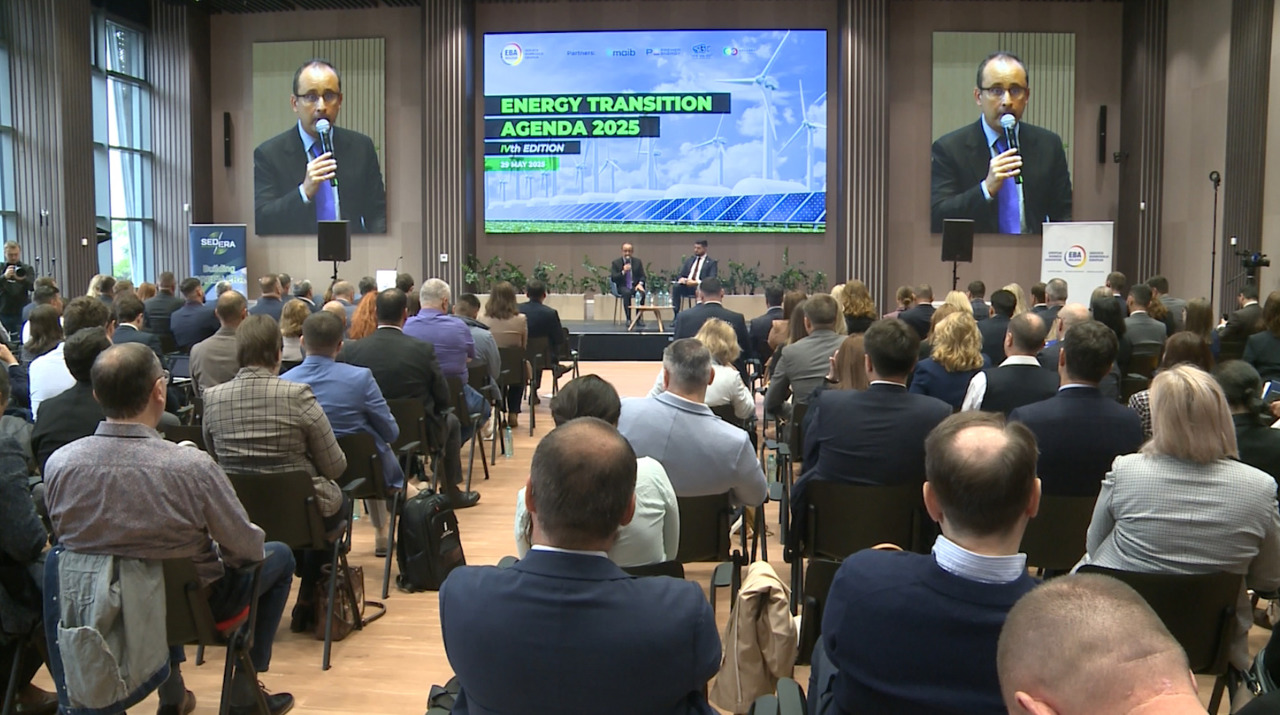
Renewable energy sources account for nearly 30 percent of electricity consumption in the Republic of Moldova. While this is encouraging, there is a significant challenge: during periods of peak sunlight, energy production exceeds what the current grid can manage. To address this issue, large battery systems and grid expansion are necessary. Energy officials are looking to attract private investment to diversify the energy mix, including gas-fired power plants.
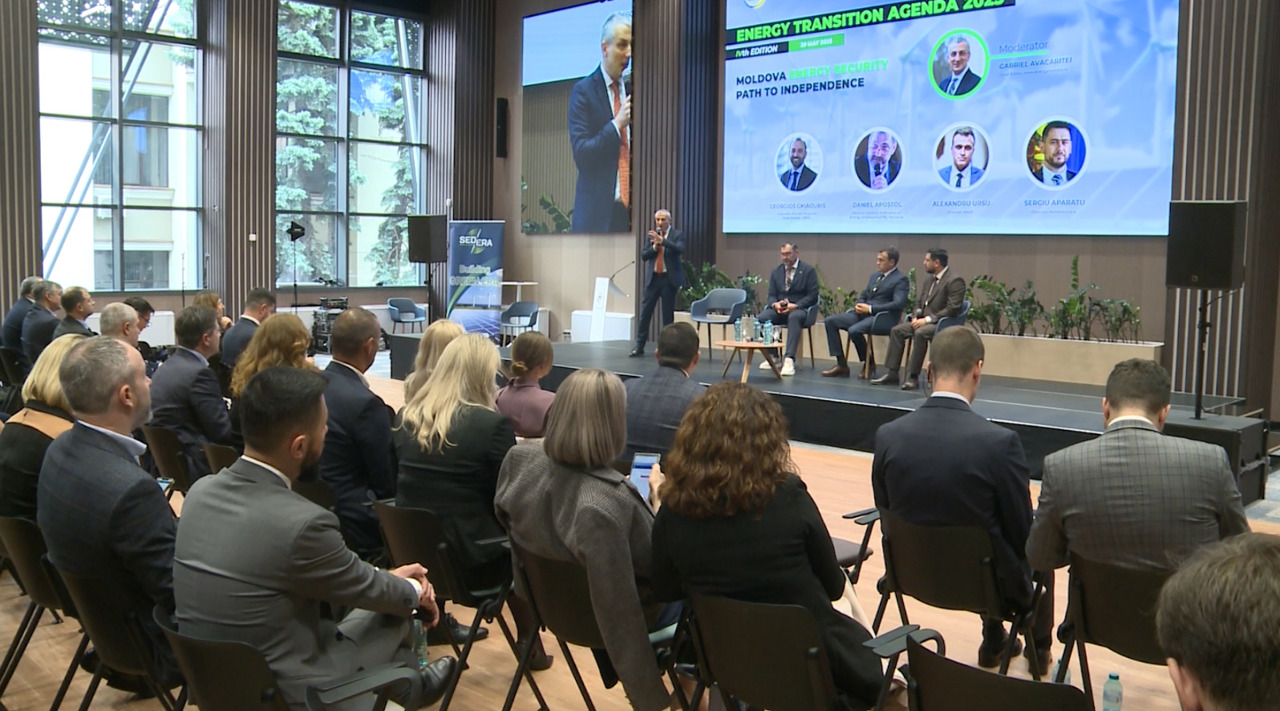
According to estimates, battery investments cost approximately 200,000 euros per megawatt.
“Those in business are already interested in investing in energy storage capacities, not just in developing the renewable sector. This is encouraging because it reflects the evolution of this sector and industry in the Republic of Moldova,” notes Mariana Rufa, the executive director of the European Business Association (EBA).
Minister of Energy Dorin Junghietu states that the Moldovan power system requires at least 70 megawatts of battery storage and 40 megawatts of gas turbines. A project funded by the European Economic Growth Plan is currently underway. Government officials aim to attract private investment, and tenders for production and storage capacities are forthcoming. These tenders guarantee that companies will recoup their investments over the next 15 years.
“We are already reaching the volumes of electricity consumed during peak hours with the installed capacities. If solar energy can generate around 600 megawatts during the day, we must find a way to utilize this energy during peak hours. To achieve this objective, we need to store the energy,” emphasizes Dorin Junghietu.
Romania has strategic projects to support the Republic of Moldova, including constructing nuclear reactors three and four at Cernavoda and other modular reactors and exploiting gas from the Black Sea. The Romanian electric power system relies on hydroelectric energy and renewable sources. Thus, Romania can potentially become a significant energy hub in southeastern Europe.
“Romania possesses this potential, and we must leverage it not only to support ourselves and assist our neighbors across the Prut but also to transform Romania's energy sector into a competitive engine,” declared Cristian-Silviu Bușoi, Secretary of State at the Ministry of Energy in Bucharest.
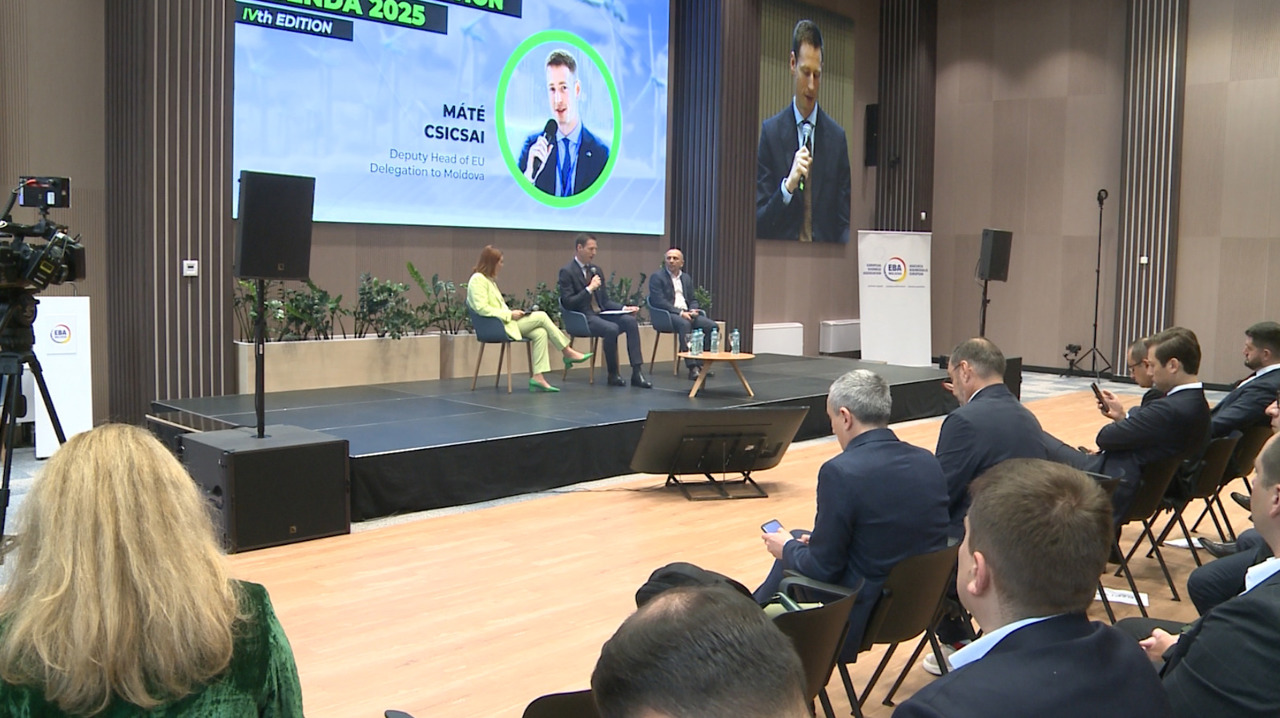
Moldova's energy mix is primarily reliant on imports from Romania, while domestic production mainly comes from thermal power plants located in Chisinau and Balti. However, the share of renewable energy sources has increased significantly, reaching 36% last week. This trend indicates a gradual transition towards a more sustainable energy system.