EU accession screening: Moldova assessed on agriculture, fisheries, and food safety
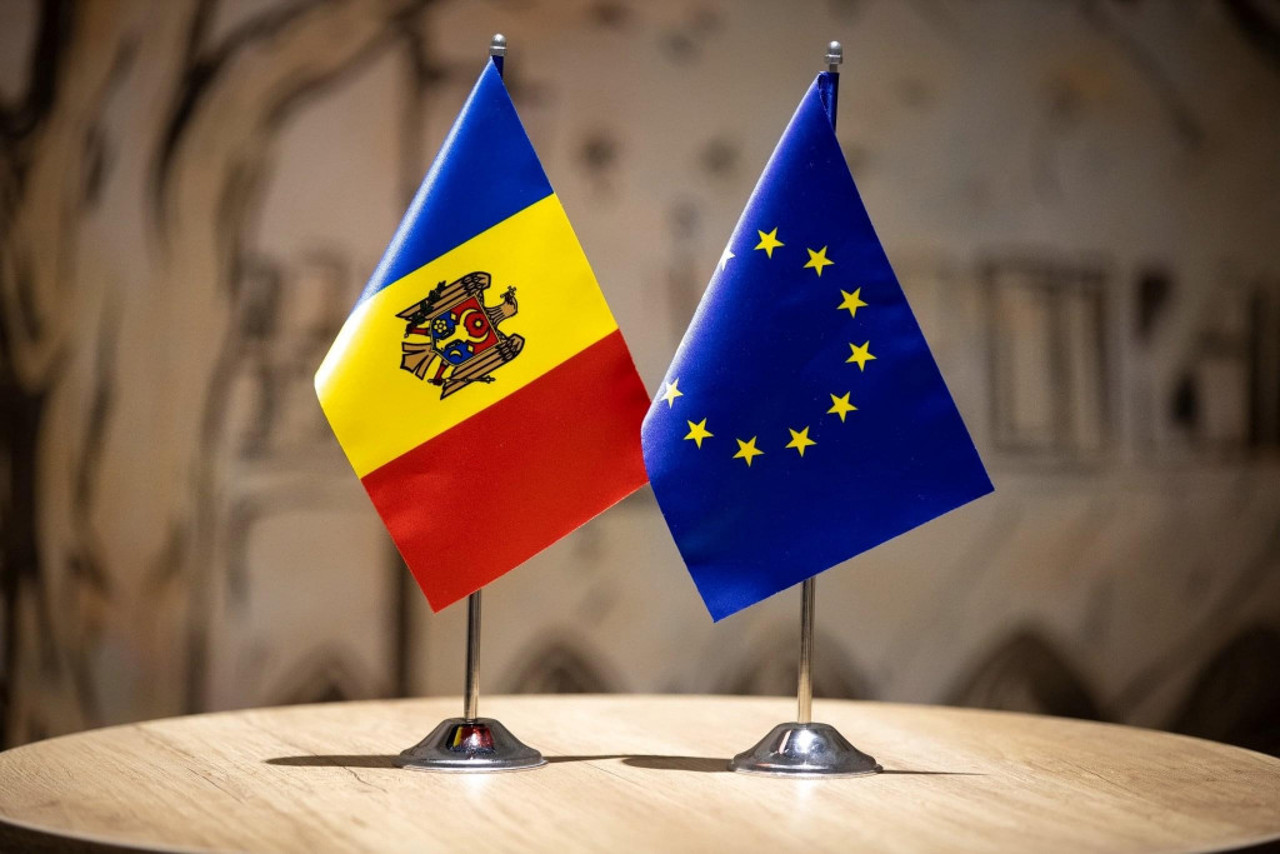
The Ministry of Agriculture and Food Industry (MAIA) started screening sessions with the European Commission in Brussels on Monday, June 3, to evaluate the Republic of Moldova's readiness to join the European Union. The discussions concentrate on important topics such as agriculture and rural development, food safety, and fisheries and aquaculture.
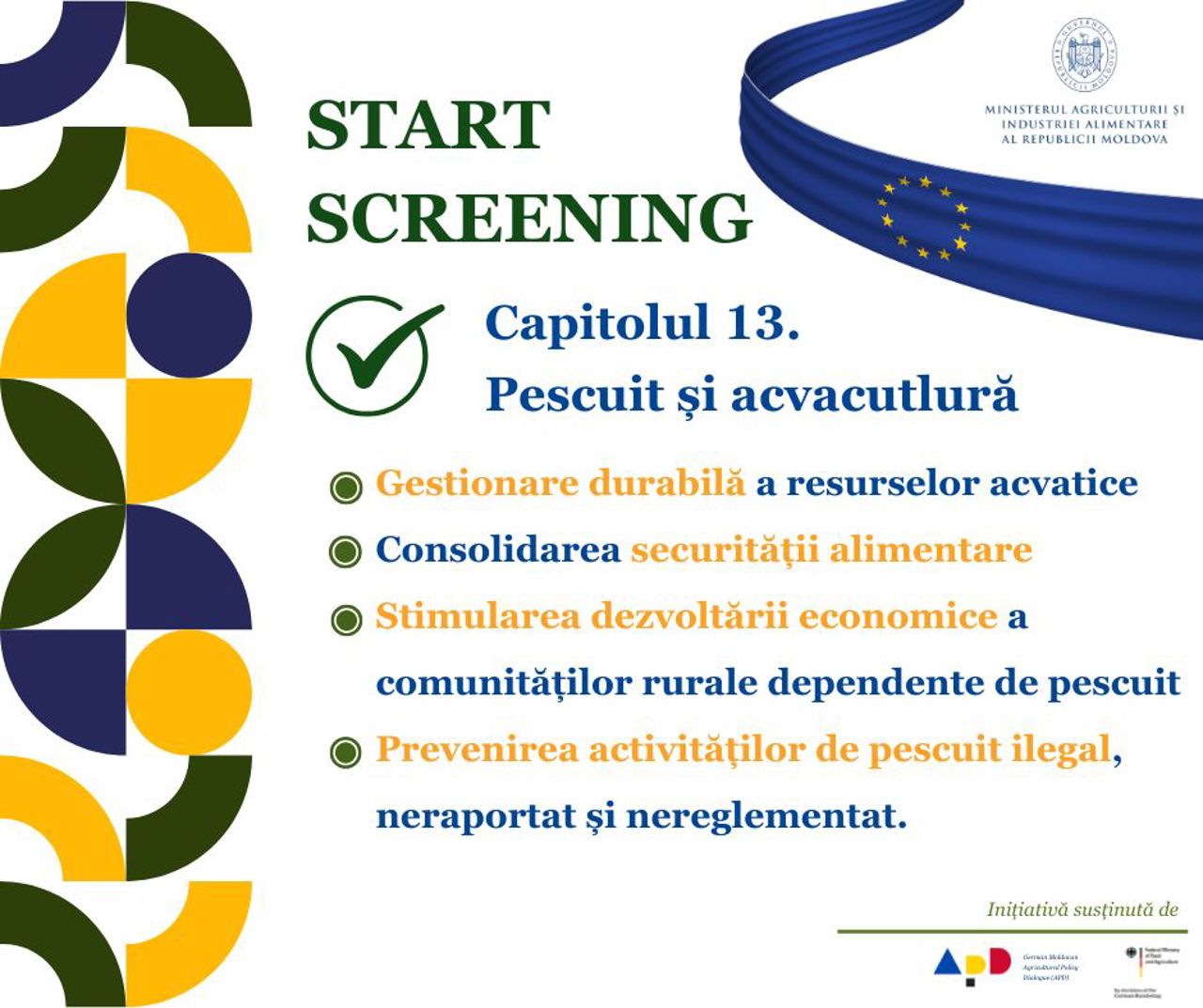
The first chapter analyzed during these sessions is Chapter 13 – Fisheries and Aquaculture. This chapter is considered strategic for the Republic of Moldova’s commitment to sustainably managing aquatic resources, enhancing food security, and fostering economic development in rural communities that depend on this sector. The goals also include aligning with European standard market regulations and combating illegal fishing.
The process of legislative harmonization with the acquis communautaire requires the revision and transposition of approximately 20 European normative acts. Immediate priorities include completing the National Aquaculture Program and establishing an efficient control system to prevent importing fishery products from illegal or unregulated sources.
According to Ina Butucel, the Deputy Secretary General of the Ministry of Agriculture and Fisheries and the Coordinator of the Ministerial Group responsible for dialogue with the European Commission, the start of the screening process marks a transition to an advanced stage in the European integration process.
These sessions will lay the groundwork for defining the Republic of Moldova's position in the accession negotiations, including the conditions and transition periods for sensitive issues in the agro-industrial sector. The dialogue with Brussels is conducted in consultation with relevant associations, aiming to outline a consolidated national position.