Eugen Doga’s funeral set for June 5. Ministry of Culture: “An era has ended for Moldova’s culture”
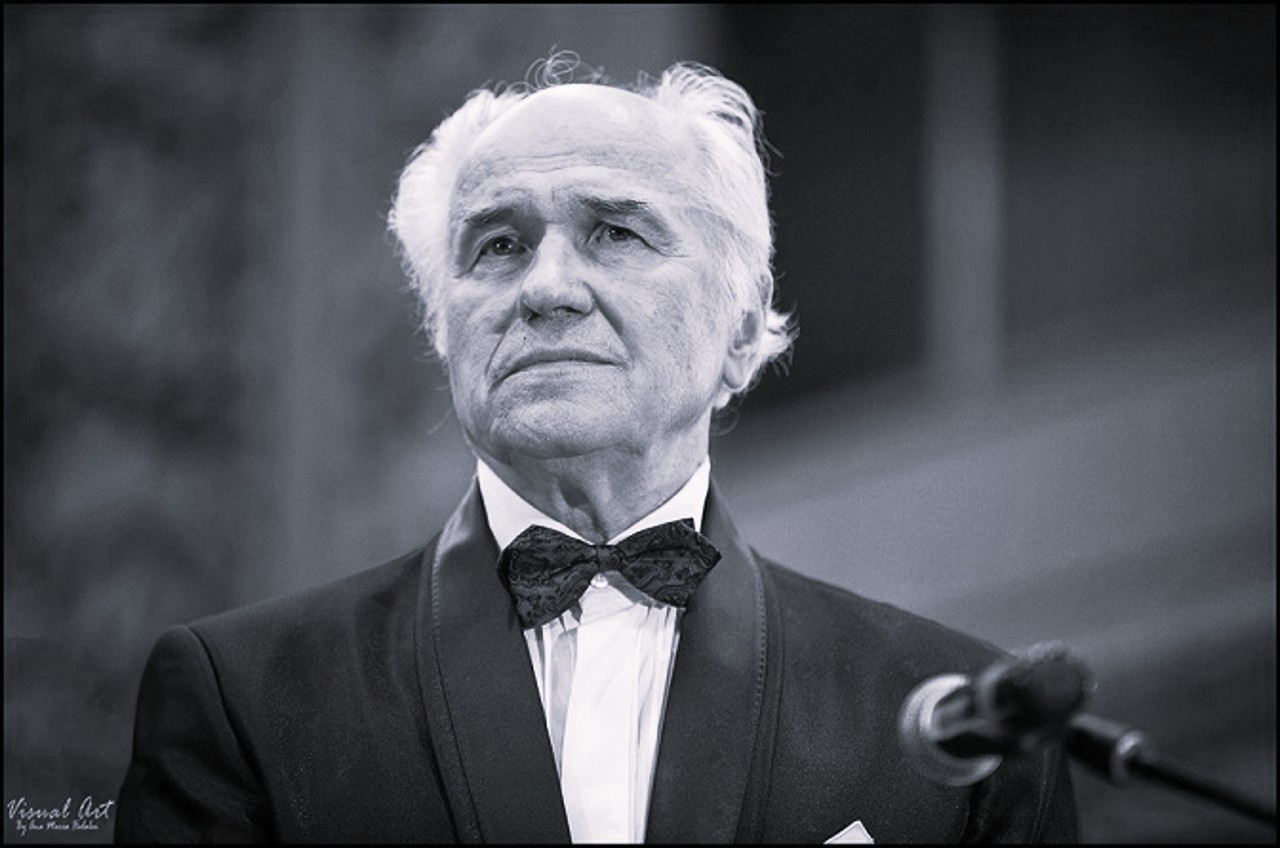
The funeral of master Eugen Doga is scheduled for Thursday, June 5, in the large hall of the "Nicolae Sulac" National Palace, starting at 10:00 AM. A mourning rally will be held at 12:00 PM. The Minister of Culture, Sergiu Prodan, announced this during an interview with Moldova 1. He stated that this decision was made in agreement with the family, the artistic community, and the relevant state institutions.
According to the established schedule, the master's lifeless body will be laid to rest on Wednesday, June 4, at 5:00 p.m. at the "Saint Teodora de la Sihla" Church, where a night of vigil will be held. Those who loved and respected Eugen Doga will have the opportunity to say their goodbyes the following day at the "Nicolae Sulac" National Palace. The funeral procession will commence at 1:00 p.m., heading to the Central Cemetery on Armenească Street, where the burial will occur.
"The funeral of composer Eugen Doga will be organized with the dignity befitting a personality of his stature. The Ministry of Culture will make every effort to ensure that these funerals are held at the highest spiritual, cultural, and sincere level," announced an official.
The Minister of Culture emphasized that Eugen Doga's passing marks a turning point for national culture and reiterated the commitment to preserving the composer's artistic legacy.
"The great Doga is a pillar of culture and marks the end of an era. We have five significant figures in this category. We can mention greats like Ion Ungureanu in theater, Emil Loteanu in cinematography, Grigore Vieru in poetry, Ion Druță in literature and prose, and now, the great Eugen Doga joins these personalities of national culture, marking the conclusion of our fathers' era—those who made the Republic of Moldova resonate with dignity worldwide," declared Sergiu Prodan.
Composer and academician Eugen Doga passed away today, June 3, at 88. His funeral will be declared a day of national mourning in the Republic of Moldova. President Maia Sandu made the announcement, sending condolences to the master's family and the entire nation. Politicians, cultural figures, academics, and friends of the master reflected on the composer who blessed the world with music rich in light, emotion, and identity: "Eugen Doga embodied the artistic genius of Bassarabia."
Born on March 1, 1937, in the village of Mocra, Rîbnița district, Eugen Doga became a symbol of Moldovan culture and one of the most respected figures in Eastern European music. Over a career spanning six decades, he composed film, ballet, choral, and instrumental music, creating a distinctive sound universe where sensitivity, romanticism, and folkloric roots harmoniously intertwined. He gained international acclaim through the soundtracks of films directed by Emil Loteanu, such as "The Fiddlers," "My Tender Beast," and "Maria, Mirabela." The waltz from "My Tender Beast" was included by UNESCO in the list of musical masterpieces of the 20th century and has resonated on stages worldwide, including at the Olympic Games. Eugen Doga also composed the music for the ballet "Luceafărul," inspired by Mihai Eminescu’s poem, and numerous symphonic, choral, and chamber works. He created music for over 200 films, making him one of the most prolific composers in the former Soviet Union.
Awarded the title of People's Artist of the USSR, the Order of the Republic of Moldova, and the Order of the Star of Romania, Eugen Doga was not only an exceptional creator but also a promoter of Romanian and European cultural values. He consistently supported young musicians and advocated for cultural unity between the Republic of Moldova and Romania.