Russia-US dialogue moves to capitals amid tensions
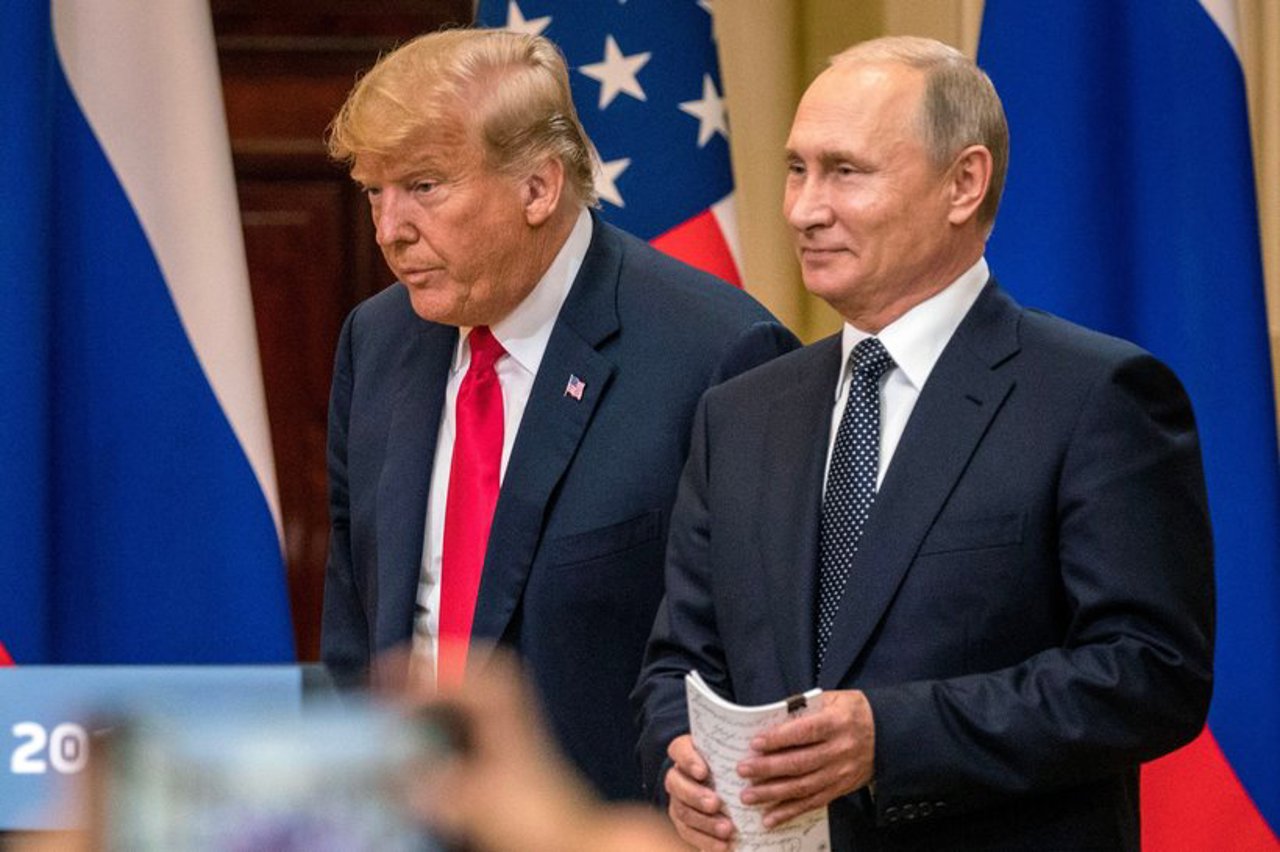
Russia and the United States have decided, following their April 10 consultations in Istanbul, to continue bilateral dialogue in their respective capitals in an attempt to reduce tensions.
The next round of negotiations, according to the Russian Ambassador to the U.S., will take place "in the shortest possible time" in Moscow.
Aleksandr Darchiev, the Russian Federation's Ambassador to the United States, stated that the two countries made a preliminary decision to relocate diplomatic consultations from Istanbul to their national capitals – Moscow and Washington – with the aim of easing bilateral tensions. According to the TASS news agency and Deutsche Welle, the diplomat emphasized that this measure reflects "measurable, albeit reversible, progress" in their bilateral relations.
"I can confirm that the next meeting of the delegations will take place in the shortest possible time in Moscow," Darchiev stated, adding that, in his opinion, the dialogue is hampered by what he calls the "deep state" and "hawks" in the U.S. Congress.
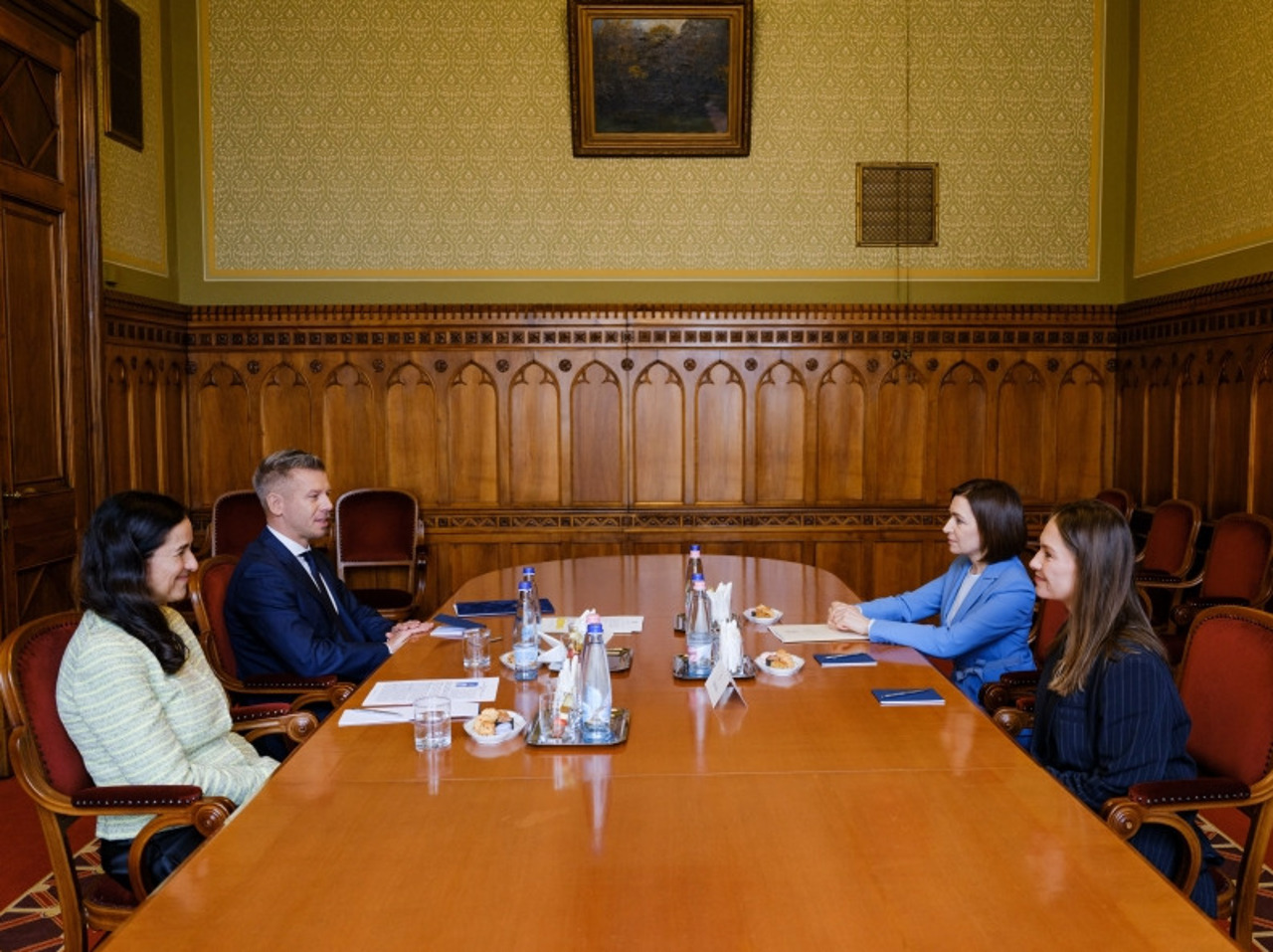
The first two rounds of negotiations took place in Istanbul on February 27 and April 10. The Russian delegation was led by Darcheev, and the American delegation by Sonata Coulter, the Deputy Assistant Secretary of State for European and Eurasian Affairs.
Among the topics discussed was the status of Russian diplomatic properties in the U.S. Representatives from the White House and the Kremlin have not yet commented on the ambassador's statements.
The first meeting was held at the U.S. Consul General's residence in Istanbul, in a private setting. Subsequently, the American side indicated that measures had been identified to resume embassy operations. The Russian Foreign Ministry described the discussions as "substantive and constructive."
The Russian side also proposed resuming direct flights between the two countries. The second round took place at the Russian Consulate General in Istanbul, continuing efforts towards normalizing diplomatic relations.
Translation by Iurie Tataru