Emergency 112: Managing summer demand and false alarms
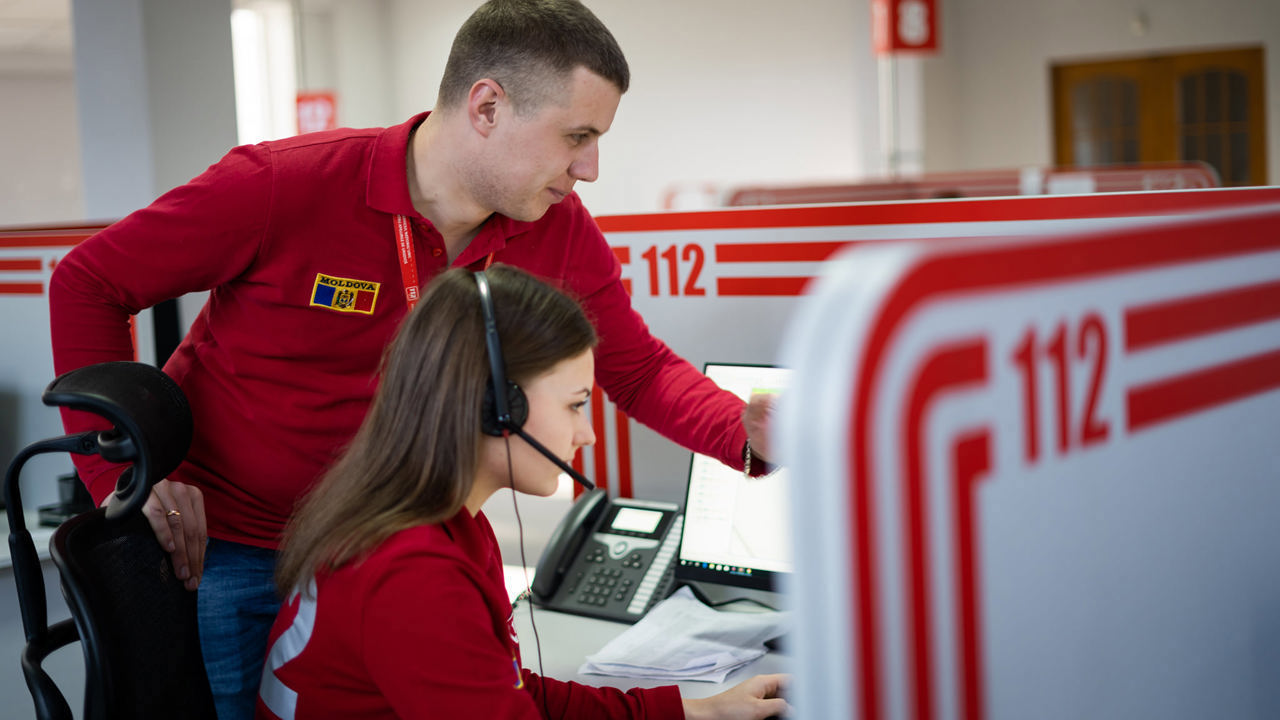
The number of calls to the National Single Emergency Call Service 112 increases by up to 20% during summer, compared to other periods of the year.
Daily, operators handle a total of between 6,500 and 7,000 requests, and approximately 65% of these are genuine calls requiring immediate intervention, states Ana Carpovici, spokesperson for the 112 Service.
"People are calling us more responsibly now, with about 65% of our calls being urgent. The most frequently reported situations include high blood pressure cases and, more commonly, emergencies involving children, especially since they're on vacation and various issues can arise," Ana Carpovici reported today on the "Good Morning" show on Moldova 1.
According to Carpovici, the emergency call system prioritizes any request involving a child. Children are a vulnerable group, particularly during the summer months when many are left unsupervised at home, which leads to an increase in calls. Help is most often requested for viral infections with high fever, injuries in public places, and serious situations such as falls from heights or drowning.
"Children under 18 have priority. We're currently seeing accidents – falls from balconies or upper floors, meaning from significant heights. Unfortunately, these happen and are very serious. We have situations related to public places. Children get injured in parks, and it's necessary for the ambulance to intervene as quickly as possible," emphasized the 112 Service spokesperson.
To prevent critical situations and educate young people to call 112 when real help is needed, the National Single Service regularly conducts information campaigns. During the summer, institution representatives visit camps and host children at their headquarters, explaining what an emergency is and how to act in such moments.
The 112 Service representative advises parents not to leave children unsupervised, to inform them how to proceed in emergency situations, and how to call for help. It's important for children to know, first and foremost, the emergency number to call, their parents' names, and their current address.
"There are situations when children call us, and we find these very encouraging: they call for emergencies involving their grandparents or parents. Grandparents might not be able to call or know what to do. In such cases, grandchildren take on this task or responsibility and call 112, relaying the information. Even if they sometimes get emotional, they act quickly, and with the operator's support, we obtain the necessary details," Ana Carpovici added.
Representatives of the 112 Service emphasize that false or non-urgent calls remain a significant challenge. Over 300,000 such cases were recorded in 2024 alone. Although operators are obligated to answer every call, these conversations can critically delay help for those in real danger.
"We have callers who might contact us 500 times or more in a month, simply because they have a compelling need to communicate. Older or lonely individuals might simply ask us the time, what the weather's like, or what day it is. Even though they're not requesting intervention from emergency teams, they tie up the line," Ana Carpovici further explained on the "Good Morning" show.
Specialists define an emergency as a situation that immediately affects life, health, property, or the environment. This category includes accidents, serious medical conditions, domestic violence, and aggressive behavior.
Up to 30 operators handle requests at the 112 Service simultaneously, in the order they enter the system.
Translation by Iurie Tataru