RETROSPECTIVE // 35 years after declaring sovereignty, Moldova gets green light to open EU negotiation clusters
This week is crucial for the European future of the Republic of Moldova. The leaders of the European Union announced their support for opening negotiation chapters with our country, which is the most advanced among the Eastern Partnership nations. Both the EU and NATO reaffirmed their commitment to strengthening the resilience of the Republic of Moldova, particularly in light of the upcoming parliamentary elections this fall. Meanwhile, the Russian Federation has been detaining citizens of the Republic of Moldova and is reportedly considering sending law enforcement officers disguised as "athletes" to Chisinau.
European integration does not mean the loss of sovereignty
The week began in Chisinau with the Solidarity March, organized for the first time in the Republic of Moldova, on the occasion of the 35th anniversary of the adoption of the Declaration of Sovereignty, a document that represented an essential step towards gaining the independence of the Republic of Moldova.
"The European Union means guaranteeing the sovereignty of the Republic of Moldova, because it respects the right to destiny, dignity and ensures the peace of our country", declared President Maia Sandu in front of thousands of citizens gathered in front of the Presidency, alongside writer Ion Hadârcă, a key figure in the events of the 1990s of the last century.
The Republic of Moldova is currently much more sovereign and resilient in the face of challenges, especially in the energy field. In recent years, the authorities in Chisinau have managed to diversify the sources of gas and energy supply; however, disinformation and propaganda continue to threaten the country's internal stability, experts said.
According to analysts, the Republic of Moldova will have to defend its sovereignty through the vote in the autumn elections, which will decide the country's strategic direction: "isolation or European integration".
The opposition, which organized its rally, turned the 35th anniversary of the adoption of the Declaration of Sovereignty into an electoral event, using the moment to criticize the government and mobilize supporters for the parliamentary elections on September 28.
First EU negotiation cluster ready to open
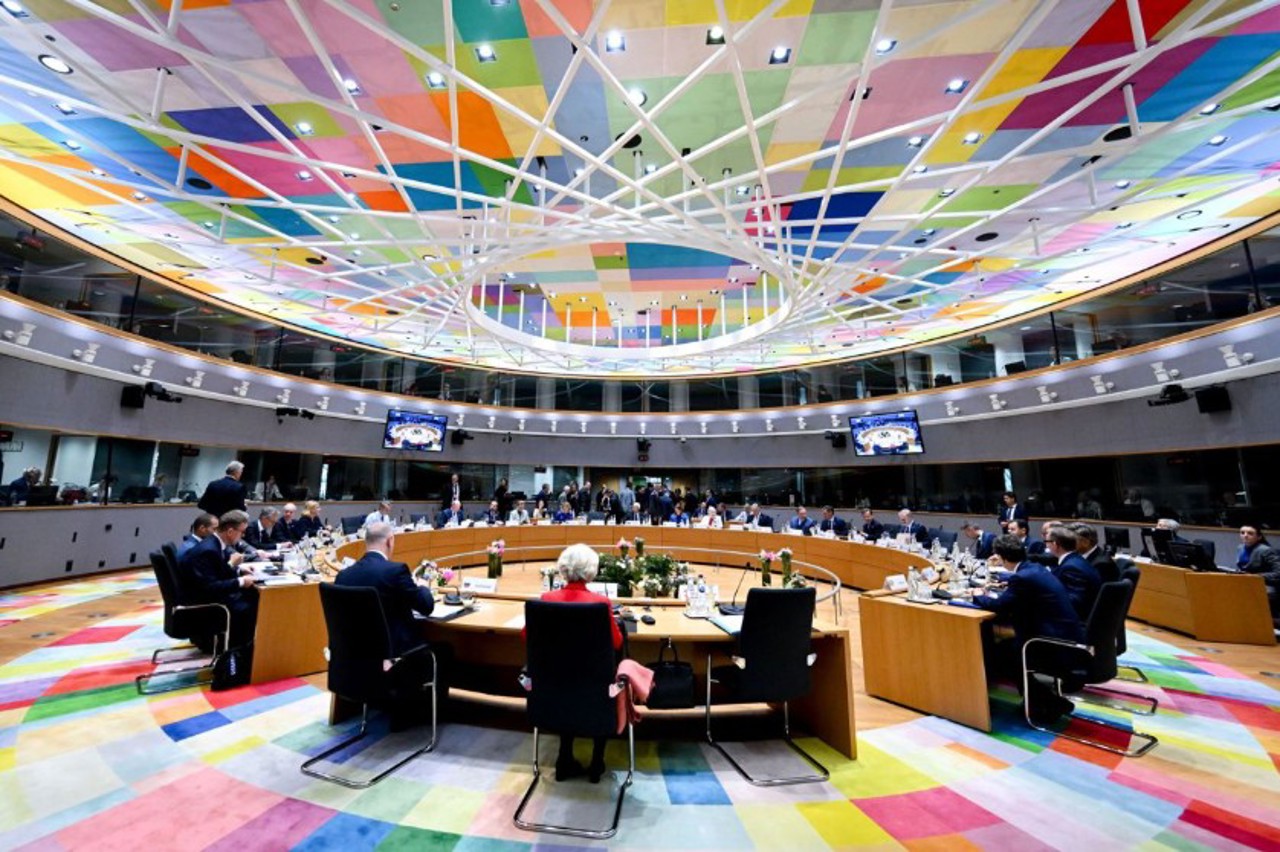
Thirty-five years after the adoption of the Declaration of Sovereignty, eleven years after signing the Association Agreement with the EU, and three years after obtaining candidate country status for EU accession, the leaders of the 27 EU member states officially invited the EU Council to take the next steps in the accession process for the Republic of Moldova during their meeting on June 26 and 27 in Brussels. They agreed to open the negotiation clusters "when the conditions are met."
The text of the European Council Conclusions on the Republic of Moldova states, “The European Council takes note of the Commission’s assessment that cluster 1, concerning fundamental values, is ready to be opened.”
The European Council also mentioned that it "looks forward to" the first Moldova-EU summit, which is scheduled to take place on July 4 in Chișinău. The European Union will be represented at the meeting by the President of the European Council, António Costa, and the President of the European Commission, Ursula von der Leyen.
At the summit, discussions will focus on the Republic of Moldova's EU accession process, the next steps in the integration journey, and the Growth Plan for Moldova, which is valued at €1.9 billion and was adopted by the European Commission.
Throughout the week, both the EU, as reflected in the conclusions of the European Council summit and statements made by Vice-President of the European Parliament Nicolae Ștefănuță in Chișinău, as well as participants at the NATO summit in The Hague, reiterated their support for strengthening the resilience of the Republic of Moldova. This support aims to ensure that Moldova can withstand the disinformation and hybrid attacks to which it is systematically subjected.
Former NATO spokesperson Oana Lungescu explained in an interview with Moldova 1 that EU accession and partnership with NATO is "a guarantee of the sovereign future of the Republic of Moldova."
Travel alert for Russia
Russia is intensifying its actions against the Republic of Moldova to prevent the election of a pro-European government in the parliamentary elections scheduled for September 28, according to warnings from both authorities and experts.
The pro-Kremlin disinformation network known as "Matrioshka" launched a significant campaign of information attacks against the Republic of Moldova, particularly ahead of the Republic of Moldova-European Union summit. This campaign spreads fabricated accusations and conspiracy theories through fake videos presented as productions of reputable European publications.
Additionally, there are allegations that Moscow attempted to send law enforcement personnel to Chișinău under the guise of participating in a controversial kickboxing championship. However, these individuals were deemed a threat to national security, as noted by Lilian Carp, the chairwoman of the Parliamentary Committee for National Security, Defense, and Public Order. The Ministry of Internal Affairs reported denying entry to a total of 195 individuals, including former Russian servicemen. Deputy Prime Minister Mihai Popșoi criticized the preparation of the European kickboxing championship, which involved the Chișinău City Hall, emphasizing that any major event must receive approval from security authorities to mitigate potential risks to the state. The organizers of the competition, who ultimately canceled the championship for adults, rejected the accusations, expressing regret over the “involvement of politics in sports.”
Later in the week, Russian media, citing secret services in Moscow, reported that two citizens of the Republic of Moldova, alleged to be undercover agents of the Intelligence and Security Service, had been detained. They face up to eight years in prison for “activities directed against the national security of Russia.” The Ministry of Foreign Affairs in Chișinău described these accusations as “unfounded and speculative” and has repeatedly issued a travel alert for the Russian Federation.
The Russian authorities are conducting an “intimidation campaign” against Moldovans, according to Parliament Speaker Igor Grosu, who urged Moldovan citizens to avoid traveling to the Russian Federation. Experts have commented that the detention of the two citizens in Moscow represents a new phase in the Kremlin’s information war against Moldova.
The last two judges appointed “non-transparently” to the Constitutional Court
On June 26, Parliament appointed the last two judges to the Constitutional Court, a topic that sparked heated debate during the plenary session. While representatives of the parliamentary majority claimed that the conditions for appointing judges had been met, the opposition accused them of attempting to exert political control over the High Court and organized a protest in front of the institution.
Prior to this, civil society expressed concerns about the transparency of the appointment process. However, the authorities justified the urgency by highlighting that the mandates of five judges would expire in August, and the High Court needed to be functional before the parliamentary elections on September 28.
Additionally, this week Parliament established new rules for obtaining citizenship in the Republic of Moldova. Specifically, individuals seeking Moldovan citizenship will now be required to demonstrate proficiency in the Romanian language and to be familiar with the provisions of the Constitution. Authorities noted a significant increase in citizenship applications, particularly following the outbreak of war in Ukraine, and identified approximately 100 cases of fraudulent applications using false or unverifiable documents. The majority of these applications—about 70%—were submitted by Russian citizens seeking Moldovan passports, as announced by the Public Services Agency.