Russia plans 15 new military schools by 2034 amid officer shortage
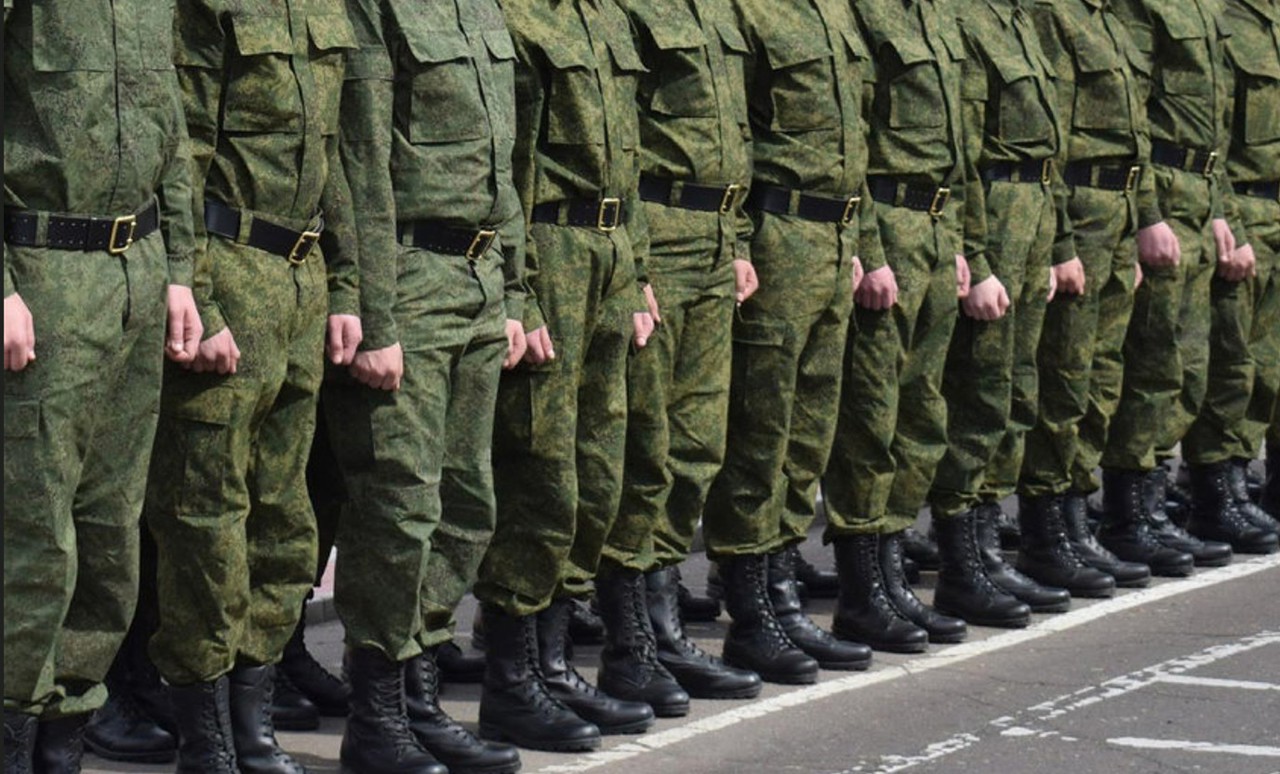
The Russian Ministry of Defense plans to establish 15 new military higher education institutions by 2034 to train pilots, tank operators, medics, drone operators, and other officers, according to Izvestia.
However, a final decision has only been made for two of these so far, The Moscow Times reports.
In 2025, the Nizhny Novgorod Higher Military Engineering School and the Saratov Higher Military Engineering School for Radiological, Chemical, and Biological Protection are scheduled to open.
Three more higher education institutions could be launched in 2026: the Chelyabinsk Higher Tank Command School, the Ulyanovsk Higher Military Aviation School for Pilots, and the Novocherkassk Higher Military Communications Command School.
In 2027, a military higher education institution for unmanned systems (drone) troops is planned to open in the Moscow region. In 2028, the Omsk Higher Ground Forces Command School is set for establishment, followed in 2029 by the Krasnoyarsk Higher Radioelectronics Air Defense School. In 2032, the Pushkin Higher Aerospace Defense School is scheduled to open.
Subsequently, four branches of the Military Medical Academy will be established in Sevastopol (2029), Samara (2032), Novosibirsk (2033), and Khabarovsk (2034). The last institution to begin admitting cadets will be the Tomsk Higher Military Communications Command School.
Most of these institutions previously existed in the same cities but were closed following the collapse of the USSR.
Military expert Viktor Litovkin links this Ministry of Defense initiative to the war in Ukraine and President Vladimir Putin's decision to expand the army and re-establish the Moscow and Leningrad military districts.
"Currently, there's an officer shortage, especially at lower and middle levels—a fact evident during the 'special military operation' (the war in Ukraine, launched by the Russian Federation - Ed. note). It's also important to remember that new military units and districts are being created, which in turn need competent commanders," Litovkin emphasized.
He added that Russia "needs officers for all branches of troops," especially in the event of a "confrontation with NATO."
According to Litovkin, such a war would have a different character compared to the war in Ukraine.
"The role of drones will decrease, but the use of long-range weapons, aviation, and artillery—including special munitions—will become more intense, as will the importance of ground forces and military medics," he stated.
The expert also suggested that it would be beneficial to allocate places for foreign students so that, through them, Russia could expand its influence in various regions of the world.
According to the same source, the primary teaching staff in the new institutions will be veterans of the war in Ukraine.
"Specialists with experience in the 'special military operation' will be brought in... especially officers wounded in battle, who could fill professor positions in the future," a former deputy of a military institute stated.
Additionally, staff will be supplemented with specialists from military training centers at federal universities and academic staff from civilian educational institutions.
Translation by Iurie Tataru