Tiraspol prolongs economic emergency in the transnistrian region
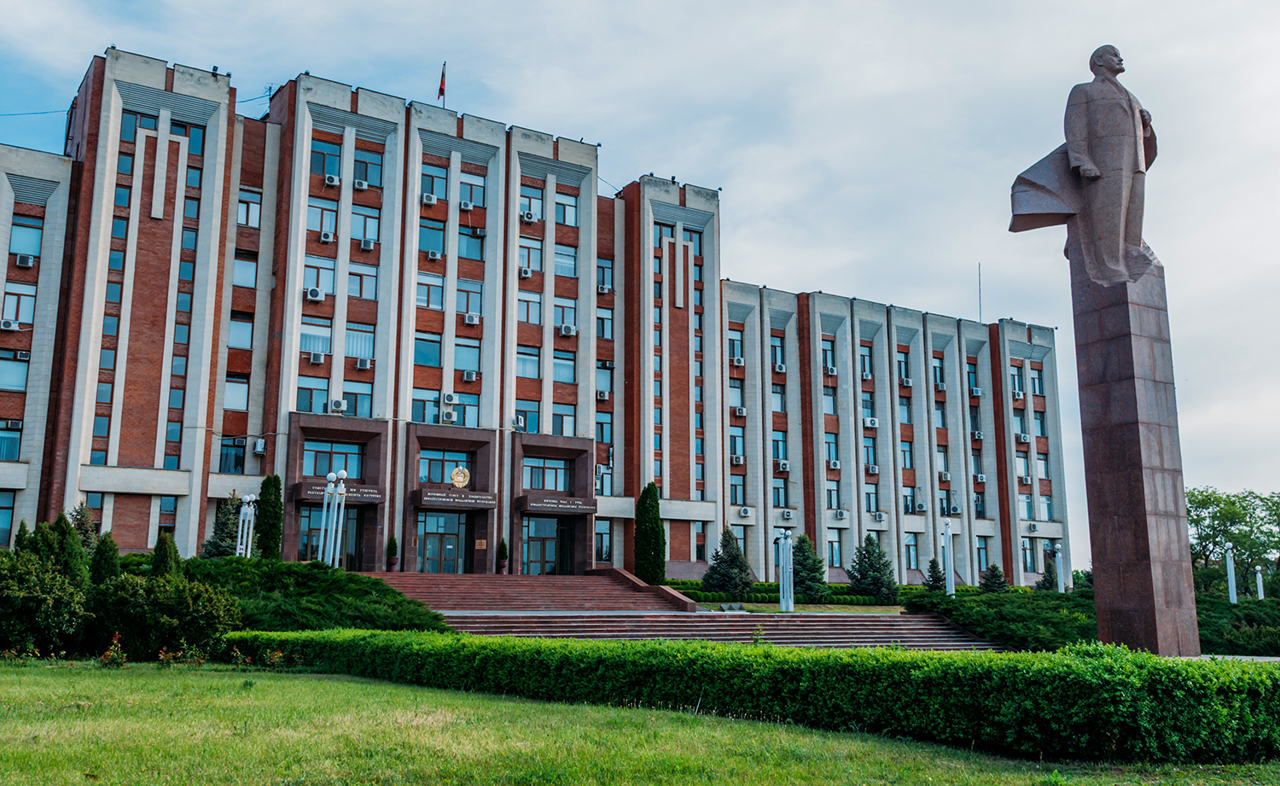
In the Transnistrian region, the state of emergency for the economy was extended until August 9. The Supreme Soviet in Tiraspol approved, on July 9, the decree issued by separatist leader Vadim Krasnoselski.
The extension of the state of emergency was attributed to the serious economic crisis resulting from a reduction in natural gas supplies to the region. Authorities on the left bank of the Nistru claim that this situation caused a significant budget imbalance, necessitating urgent austerity measures.
In a recent statement, Alexandr Korshunov, the chairman of the Supreme Soviet, noted that all local public institutions are operating under a regime of “strict economy.” He emphasized that the priority is to maintain social payments, specifically the salaries of state employees and pensions.
Local media reports indicate that, as a result of spending cuts, funding for several special-purpose programs at the regional level has been suspended. Korshunov stated, "This means that the activities planned by the deputies of the Supreme Soviet for this year are postponed to a later date, in order to consolidate financial resources and ensure social payments. The budget for next year is already in the works and is expected to be equally challenging."
The Transnistrian region is currently facing a severe economic collapse. Starting in July 2025 and continuing until the end of the year, salaries in the public sector will be paid in two instalments. The authorities in Tiraspol confirmed the financial difficulties, attributing this measure to the depletion of the region's reserves and the inability to execute the regional budget due to the ongoing energy crisis and the region's complex geopolitical situation.
Although the current crisis stems from Moscow's refusal to supply adequate natural gas volumes to the Transnistrian region of the Republic of Moldova, the Tiraspol administration continues to blame the constitutional authorities in Chisinau. Government representatives argue that these accusations are attempts to promote false narratives in favour of the Russian Federation, particularly in light of the upcoming parliamentary elections on September 28.
We remind you that the state of emergency in the economy, which was introduced at the end of 2024 by a decree from the separatist leader, has been extended multiple times, each time for 30 days.
In January 2025, Moscow completely halted gas supplies to the Transnistrian region, leaving the population without heat or electricity. In February, Chisinau intervened by allowing gas transit through a contract between Moldovagaz and a European trader, supported by an advance payment and a €20 million grant from the EU.
Subsequently, Tiraspol rejected a new €60 million European aid package, opting instead for gas supplied by a Hungarian company and financed by a Dubai firm. Despite this, the local administration has resumed some heavy industry activities, although it had previously pledged that the gas would only be used for the local population's needs.
President Maia Sandu confirmed that the gas currently supplied to the region is being paid for by Russia, though she noted that the Moldovan authorities are unaware of the exact payment mechanism. She stressed that resolving the region's economic problems remains impossible as long as Russian troops are illegally stationed on the left bank of the Nistru.