Green Energy surge: Moldova's path to independence
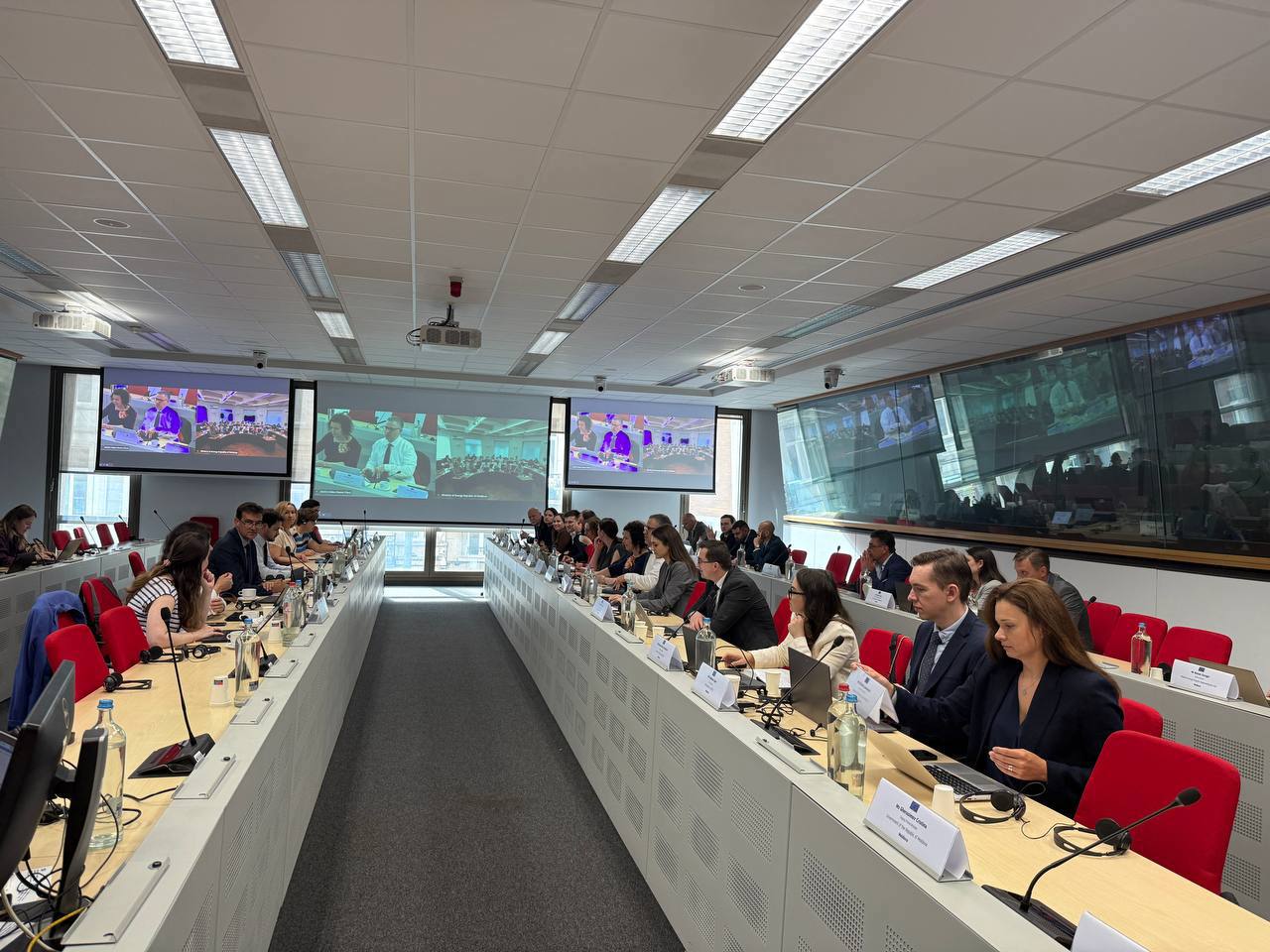
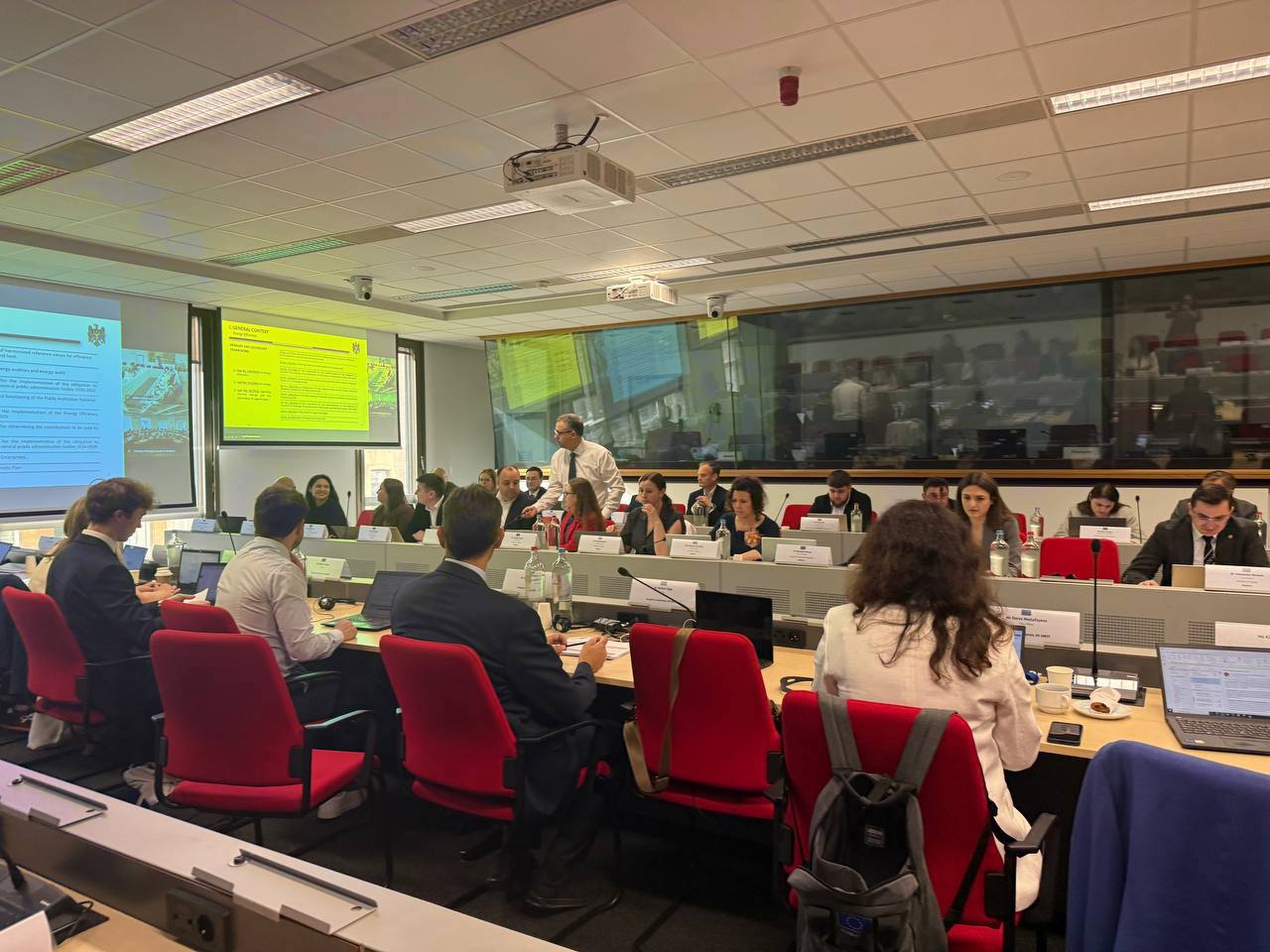
Representatives from Moldova's Ministry of Energy concluded the process of aligning the country's energy legislation with that of the European Union today in Brussels.
Over two days, July 10 and 11, they presented Moldova's reforms and progress, also discussing requests for specific deadlines.
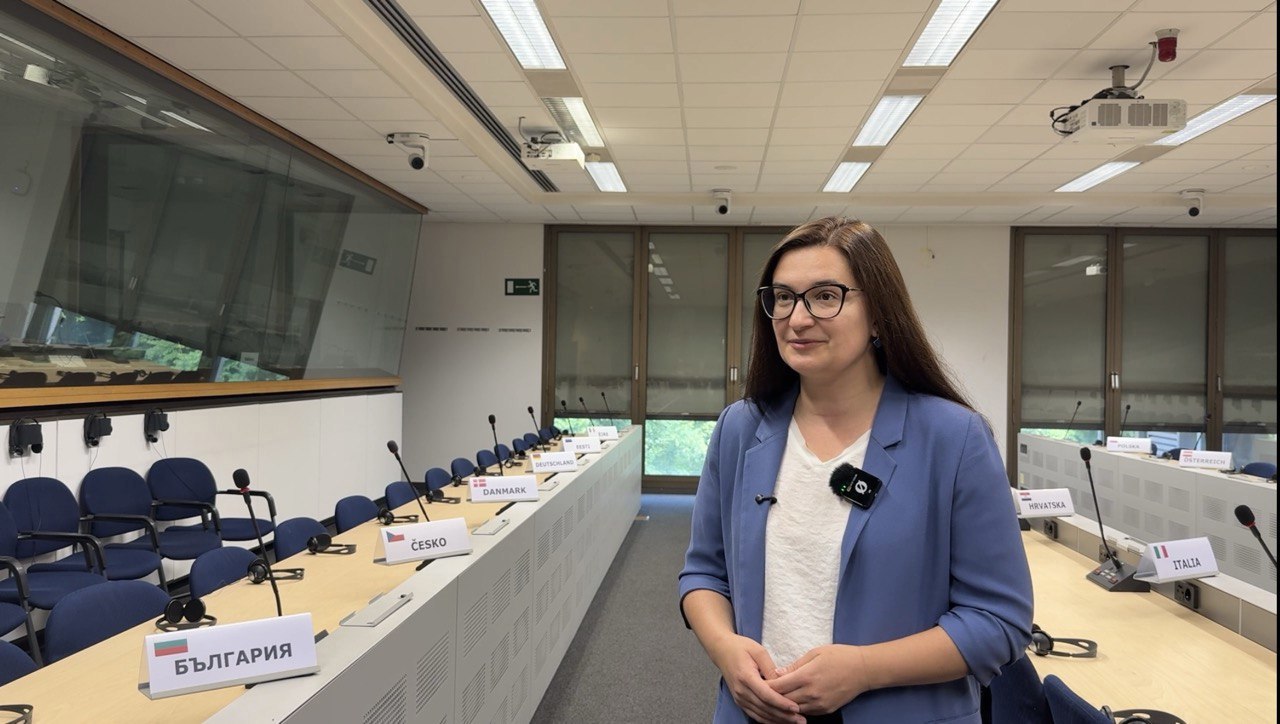
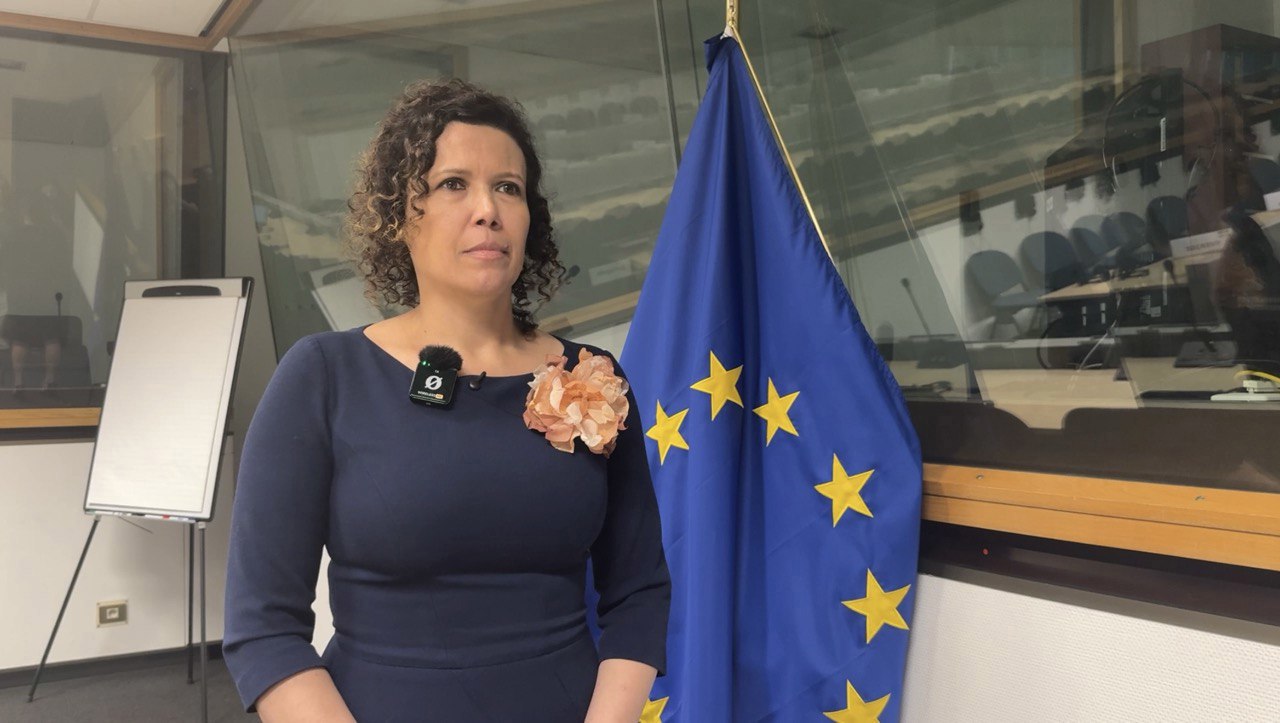
The Republic of Moldova earned praise in Brussels for its seriousness and firm commitment to strengthening its energy independence, stated Deputy Prime Minister for European Integration, Cristina Gherasimov. She highlighted the reforms her colleagues at the Ministry of Energy have implemented since the last enlargement report, published last autumn.
"We're returning home with commitments discussed beforehand with colleagues from the European Commission, and we've agreed on deadlines already included in our National Accession Program," the chief negotiator stated. "We discussed our challenges in meeting these implementation terms and identified areas where we need EU support."
Highlighting the substantial increase in Moldova's capacity to produce green energy, Cristina Gherasimov mentioned that a key energy priority in the coming years will be developing the country's capabilities to store this energy for use during peak demand.
"We have several priority projects that we'll work on with colleagues from the European Commission to build these backup capacities for green energy," explained Cristina Gherasimov. "We don't currently have them, but building them in the coming period is a priority."
Carolina Novac: "Moldova will receive approximately 200 million euros in green energy production investments over the next three years..."
State Secretary Carolina Novac from the Ministry of Energy highlighted Moldova's substantial progress in green energy production. She stated that over the past four years, the share of renewable energy consumption has increased from 3.5% to, on some days, as much as 45% of the total electricity consumed nationwide.
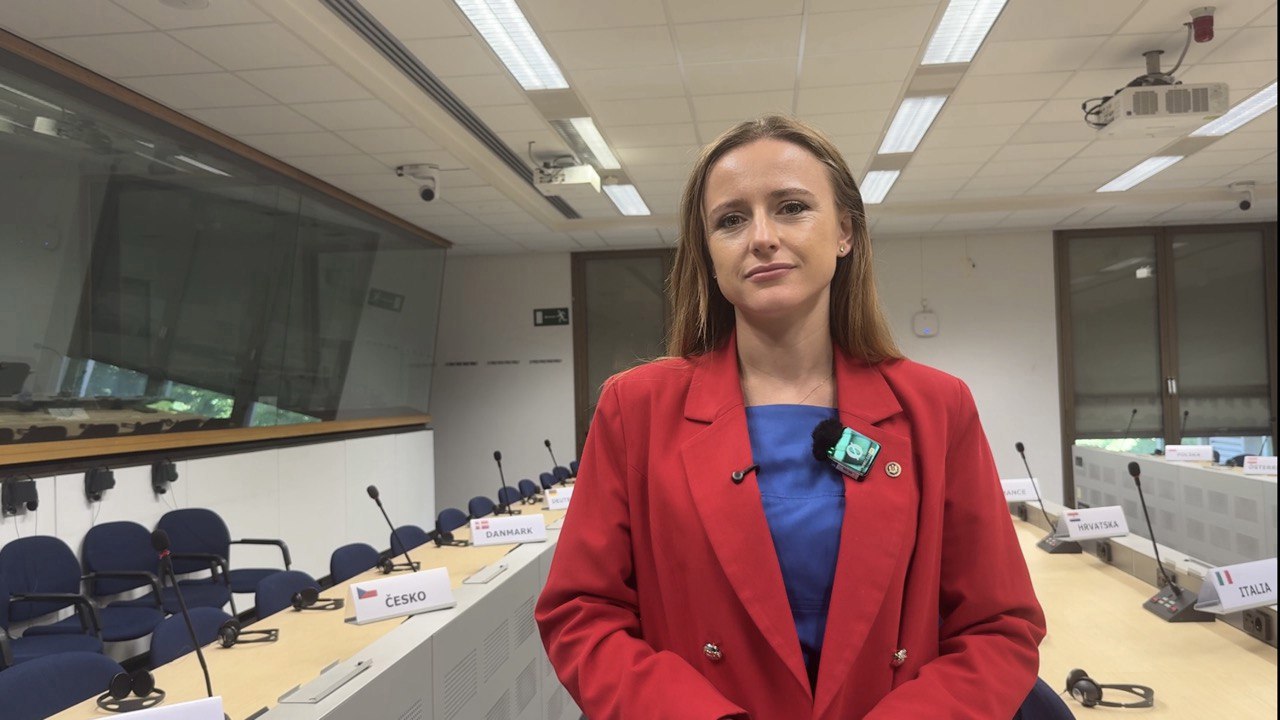
While the first wave of energy tenders primarily focused on developing solar battery-based green energy production infrastructure, the next wave will concentrate on a network of wind turbines and the acquisition of renewable energy storage batteries. Over the next three years, Novac emphasized, Moldova will receive 200 million euros in renewable energy sector investments.
"We also have these conditionalities in relation to the European Commission, as part of the Growth Plan within the reform agenda," Carolina Novac underlined. "By year-end, we're committed, through two tenders for new renewable energy sources, specifically, to boost wind energy production and develop a green energy storage system. I anticipate that by early 2026, those storage capacities for the 'Casa Verde' Program will already be implemented."
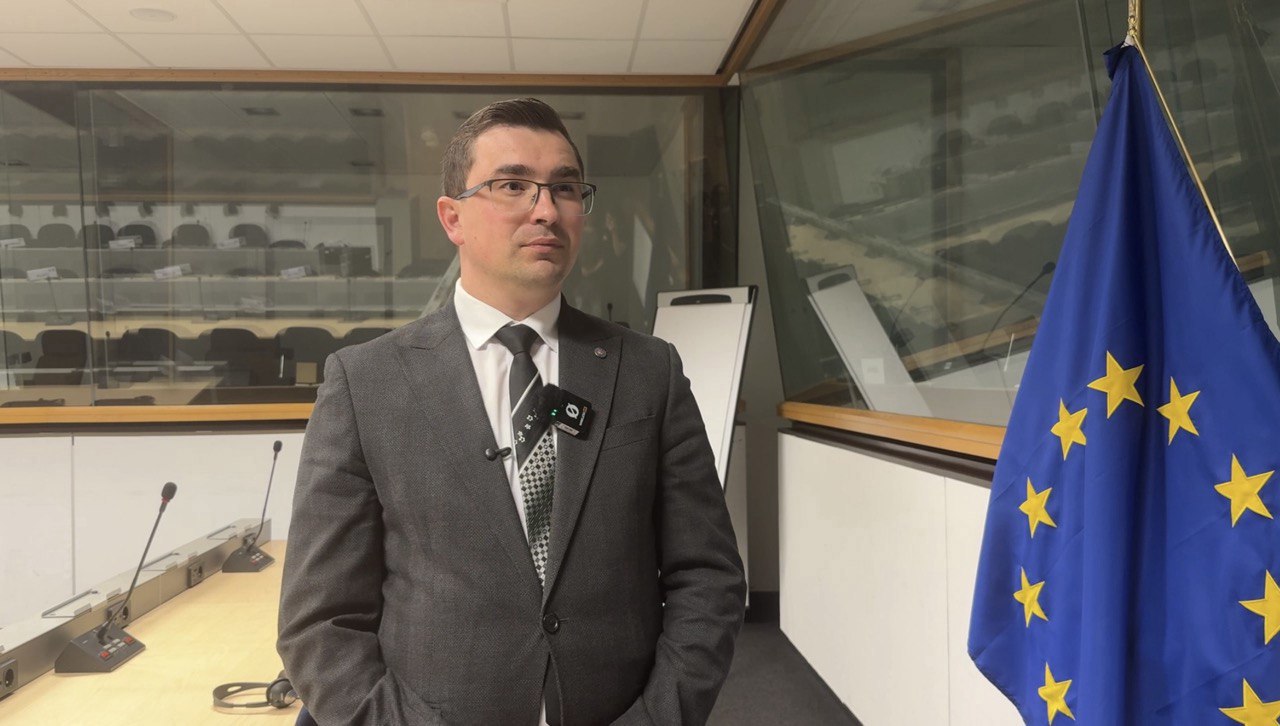
Constantin Borosan: "The ultimate goal of market liberalization, following the European model, is for all consumers to no longer be subject to regulated energy prices."
Access to a liberalized energy market means every consumer can negotiate energy prices and seek the best deal, while energy service providers, in such a context, present offers, explained State Secretary Constantin Borosan from the Ministry of Energy.
"During the screening process, European experts asked, for example, about our country's plans for the gradual liberalization of the energy market," Borosan emphasized. "That's how it works in the European Union: not all consumers benefit from regulated prices. The ultimate goal of market liberalization is for all consumers to no longer be subject to regulated energy prices."
The State Secretary also explained that Moldova can achieve a free energy market only by diversifying energy sources and building interconnection infrastructure with the European market.
"This interconnection with Romania and the European Union must be established so we can import this energy," Constantin Borosan added. "New power plants, including balancing plants, must emerge to cover energy needs when there's no sun or wind. So, this was a key point discussed here in Brussels."
Costly, long-term projects: Storing petroleum products and green energy
Cristina Pereteatcu, State Secretary at the Ministry of Energy, explained that for Chapter 15 (energy) and Chapter 21 (trans-European networks), discussed over the past two days in Brussels, the ministry's team prepared a total of 14 presentations covering security of supply, electricity, network codes, nuclear energy, and governance.
"This involves a series of legislative acts we must comply with to join the European Union," explained the State Secretary.
Daniela Morari: "The energy sector is complex and requires difficult political decisions..."
In general, the energy dimension is one of the most complex, considering it's an Acquis – a new one with new legislation, says Moldovan Ambassador to Brussels, Daniela Morari. She drew attention to the increased novelty in this field even for states already part of the European Union.
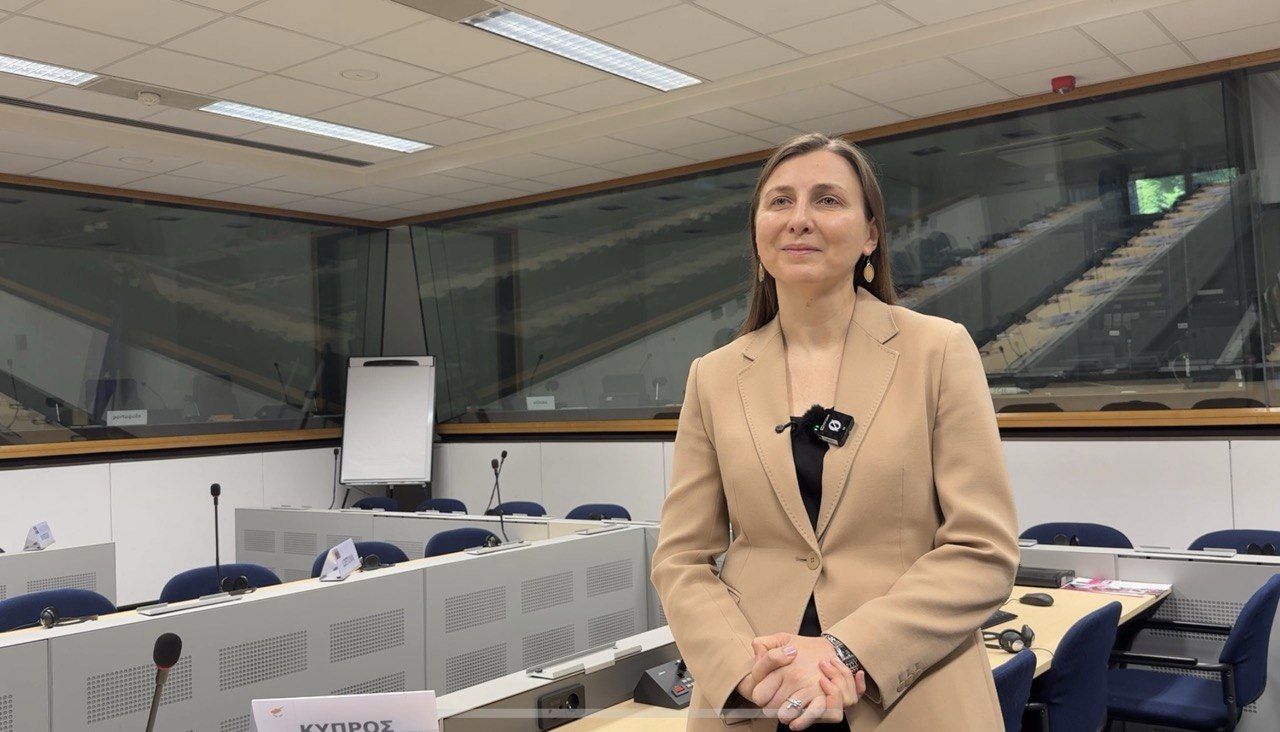
"Energy is an expensive endeavor, requiring significant investments and involving difficult political decisions," emphasized Daniela Morari. "That's why it's an equally important and responsible domain for both EU member states and the Republic of Moldova. We're going through crises and realities that also motivate us to make these decisions much faster."
To align with the EU's energy Acquis, Moldova must comply with the provisions of 88 European legislative regulations.
Translation by Iurie Tataru