Moldova’s first modern animal by-product factory will be inaugurated by year’s end
By the end of this year, the Republic of Moldova will inaugurate its first modern factory for the sustainable processing of animal by-products not intended for human consumption. This project is supported by the World Bank through the "Agriculture Competitiveness Program" (MAC-P) and the "Investments for Governance, Growth and Resilience in Agriculture" (AGGRI) programs.
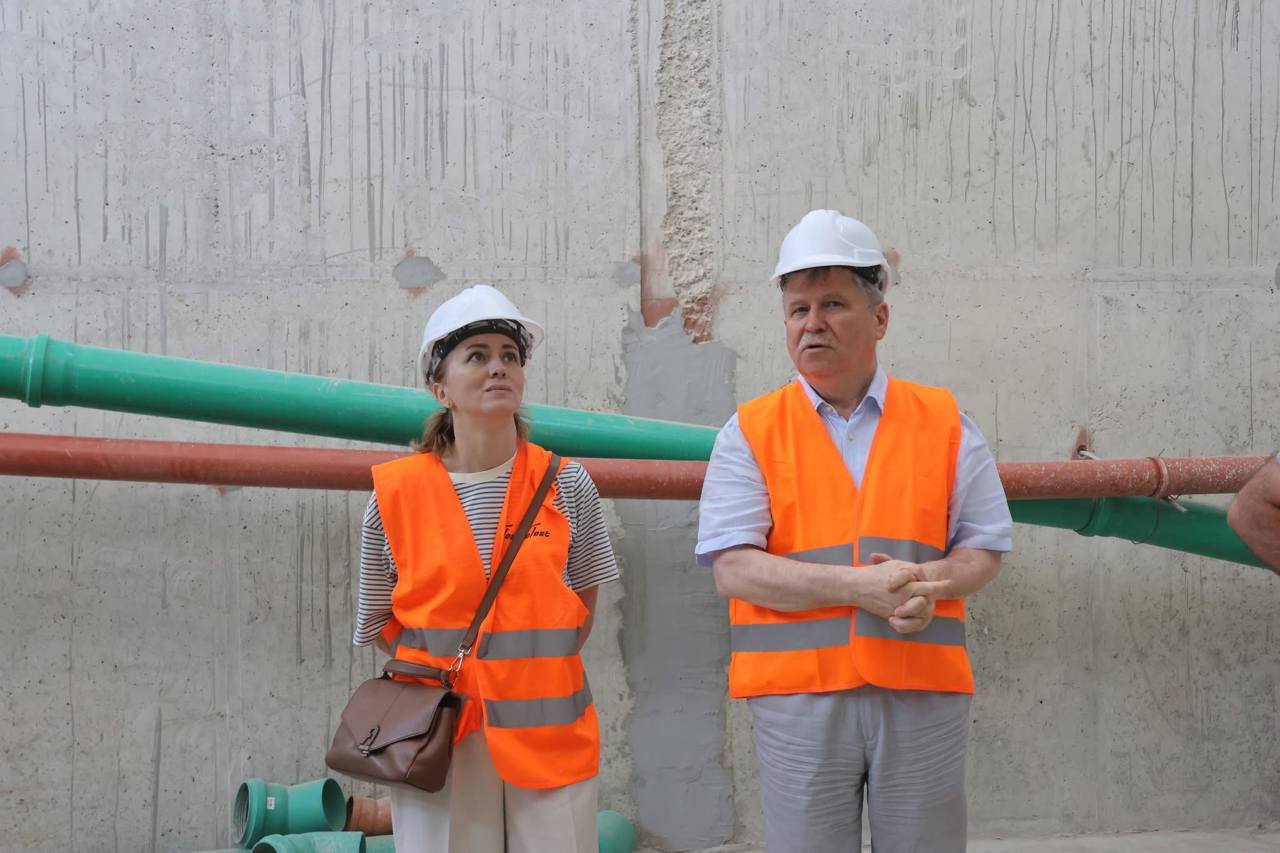
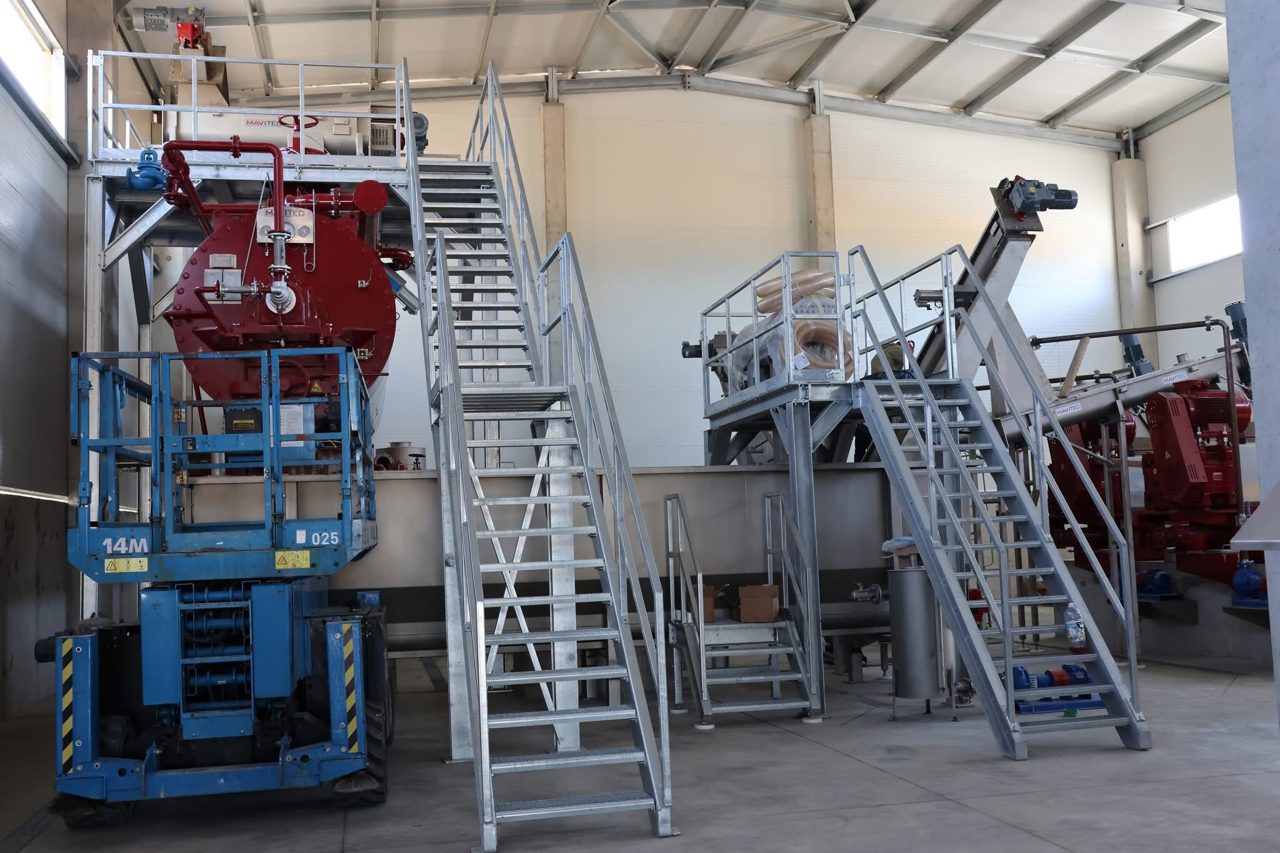
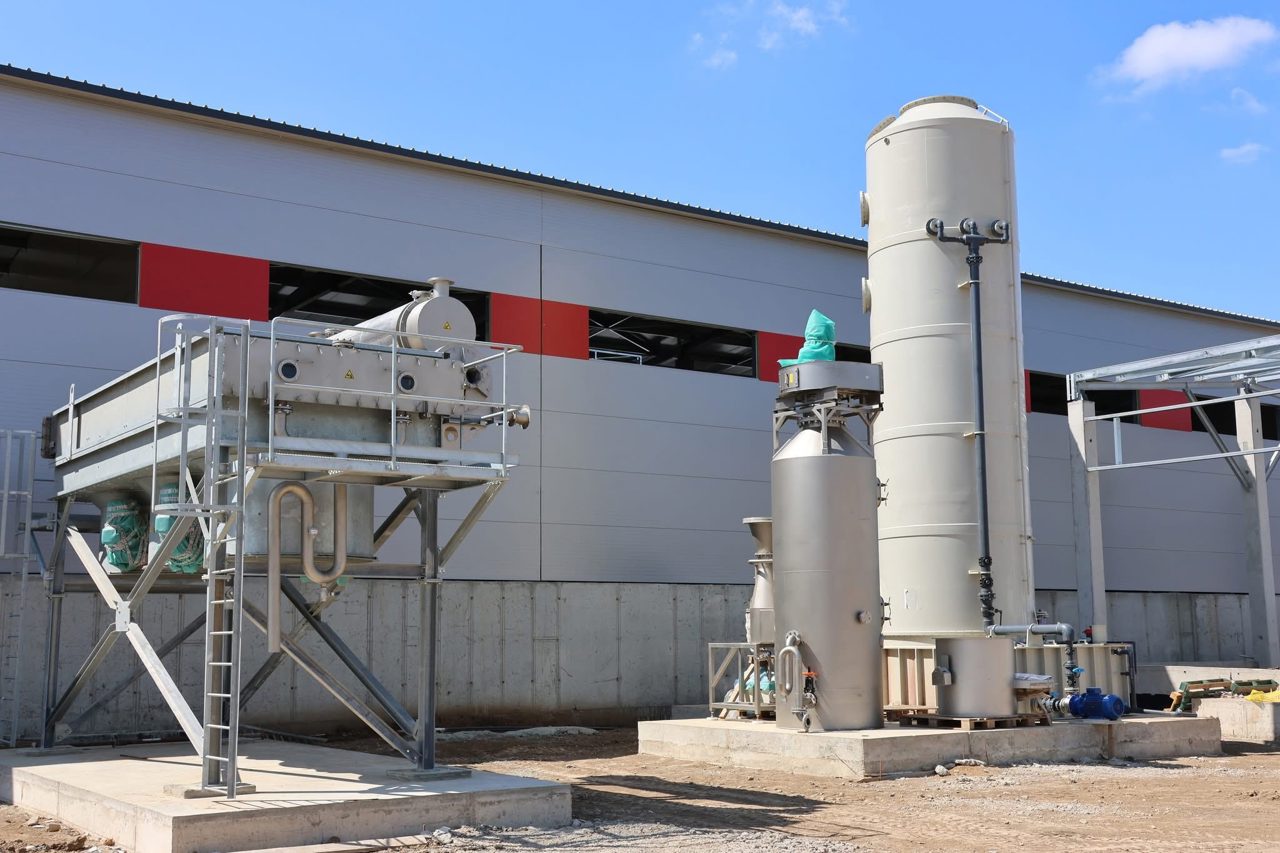
The factory is situated on the outskirts of Criuleni, and construction is progressing swiftly. The first production line has been completed, with the equipment installed, and work is ongoing to connect it to the electrical grid and construct the second block.
This new industrial unit will convert waste from the zootechnical sector—such as feathers, horns, hooves, and expired animal food—into useful products for non-food industries using a pressure sterilization method. The technology employed is closed, ensuring the neutralization of health and environmental risks.
“The total value of the project to create the animal by-products management system is approximately 16 million euros. This amount covers not only the construction of the factory but also the provision of all necessary elements for its operation, including special vehicles for collecting and transporting by-products, a specialized call center, and an information system,” stated Olga Sainciuc, the interim executive director of UCIMPA, in an interview with Radio Moldova.
Initially, the factory’s services will be available to economic agents—such as farms, slaughterhouses, and other units in the agri-food sector—that are legally obligated to manage animal by-products responsibly, according to Sainciuc.
In addition to modern processing equipment, the factory will feature advanced environmental protection systems, including negative pressure installations in production halls, biofilters for air purification, and its own wastewater treatment plant. Special vehicles will also be acquired to safely collect and transport by-products from farms and slaughterhouses, ensuring an efficient logistics chain.
This investment is viewed as strategic for modernizing the livestock sector in the Republic of Moldova, as it will reduce environmental impact and enhance health safety. Previously, such by-products were often disposed of improperly, leading to soil and air pollution and causing discomfort for the rural population.
The Criuleni factory represents a significant advancement in the responsible management of animal waste, aligning national practices with international standards in this field.