Tiraspol regime admits transnistrian region's economy hit hard by energy crisis and staff exodus
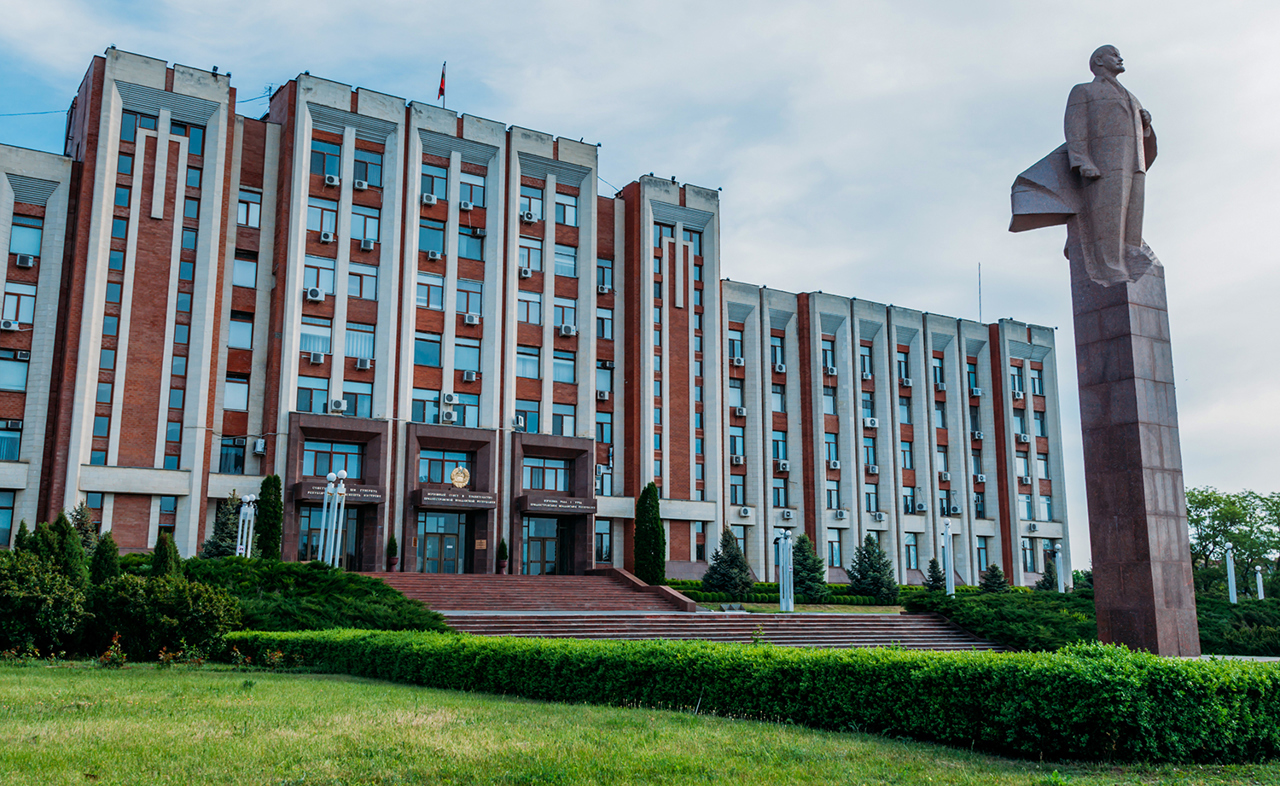
The energy crisis continues to be the primary challenge facing the industrial sector in the Transnistrian region. This was stated by the self-proclaimed Minister of Economic Development, Serghei Obolonik, during a meeting that involved more than 30 leaders from local enterprises.
Obolonik admitted that the separatist authorities are compelled to operate "in a manual management mode" due to the pressures of sanctions and disruptions in natural gas supplies. He emphasized that stable functioning of the industrial sector is impossible without rapid response mechanisms.
In addition to energy and financial issues, the official pointed out that a shortage of personnel in enterprises is a critical concern. He attributed the labor exodus to social instability caused by geopolitical tensions and acknowledged that the only way to stop this trend would be through "equalization of salaries."
While claiming that the so-called government is trying to avoid increasing the tax burden, Obolonik conceded that resources for providing subsidies and financial support are "extremely limited" due to the necessity of covering the budget deficit with domestic sources.
Previously, Vadim Krasnoselski, the unrecognized leader of the separatist region, signed amendments to an alleged law permitting the use of balances from local budgets—estimated to be over 31.7 million local rubles (about 32 million Moldovan lei)—to cover cash shortfalls for paying salaries.
The state of economic emergency remains in effect in the Transnistrian region, extended until August 9. The separatist authorities claimed that reduced natural gas supplies, production stagnation, and a challenging business environment have significantly decreased revenues in the regional budget.
It should be noted that on July 9, the so-called Supreme Soviet in Tiraspol approved the alleged decree issued by separatist leader Vadim Krasnoselski, extending the state of economic emergency originally established in late 2024 and repeatedly renewed. The justification for this measure is the severe economic crisis exacerbated by the region's diminished natural gas supplies. The authorities on the left bank of the Nistru stated that this situation has caused significant budget imbalances and necessitated urgent austerity measures.
The Transnistrian region is currently facing a severe economic collapse. Starting from July 2025 and continuing through the end of the year, salaries in the budget sector will be paid in two installments. The alleged authorities in Tiraspol confirmed these financial difficulties and attribute this decision to the depletion of regional reserves and the inability to meet the "regional budget" due to the "energy crisis and geopolitical situation."
Although the ongoing crisis was triggered by Moscow's refusal to provide sufficient natural gas to the Transnistrian region of Moldova, the Tiraspol administration continues to blame the constitutional authorities in Chisinau. Government representatives assert that these accusations are attempts to promote false narratives favoring the Russian Federation, especially in light of the upcoming parliamentary elections on September 28.
In January 2025, Moscow completely halted gas supplies to the Transnistrian region, leaving the population without heat and electricity. Chisinau intervened in February, facilitating gas transit under a contract between Moldovagaz and a European trader, with advance payment supported by a €20 million grant from the EU.
Subsequently, Tiraspol rejected a new €60 million European support package, opting instead for gas supplied by a Hungarian company, financed by a Dubai firm. Under these conditions, the local administration resumed some heavy industrial activities, despite having previously promised that the gas would be used exclusively for the population's needs.
President Maia Sandu confirmed that the gas currently supplied to the region is being paid for by Russia; however, she noted that the Moldovan authorities do not know the exact payment mechanism. The head of state emphasized that resolving the region's economic problems remains impossible as long as Russian troops are illegally stationed on the left bank of the Nistru.