Effective communication with citizens is key to countering external interference in elections, experts
The Russian Federation is using familiar tools to influence the September parliamentary elections in an attempt to gain control over the Republic of Moldova. These methods have been used in previous elections as well. In response, certain legislative measures have been implemented, and maintaining effective communication with citizens remains a top priority, say experts on the "Public Space" program on Radio Moldova.
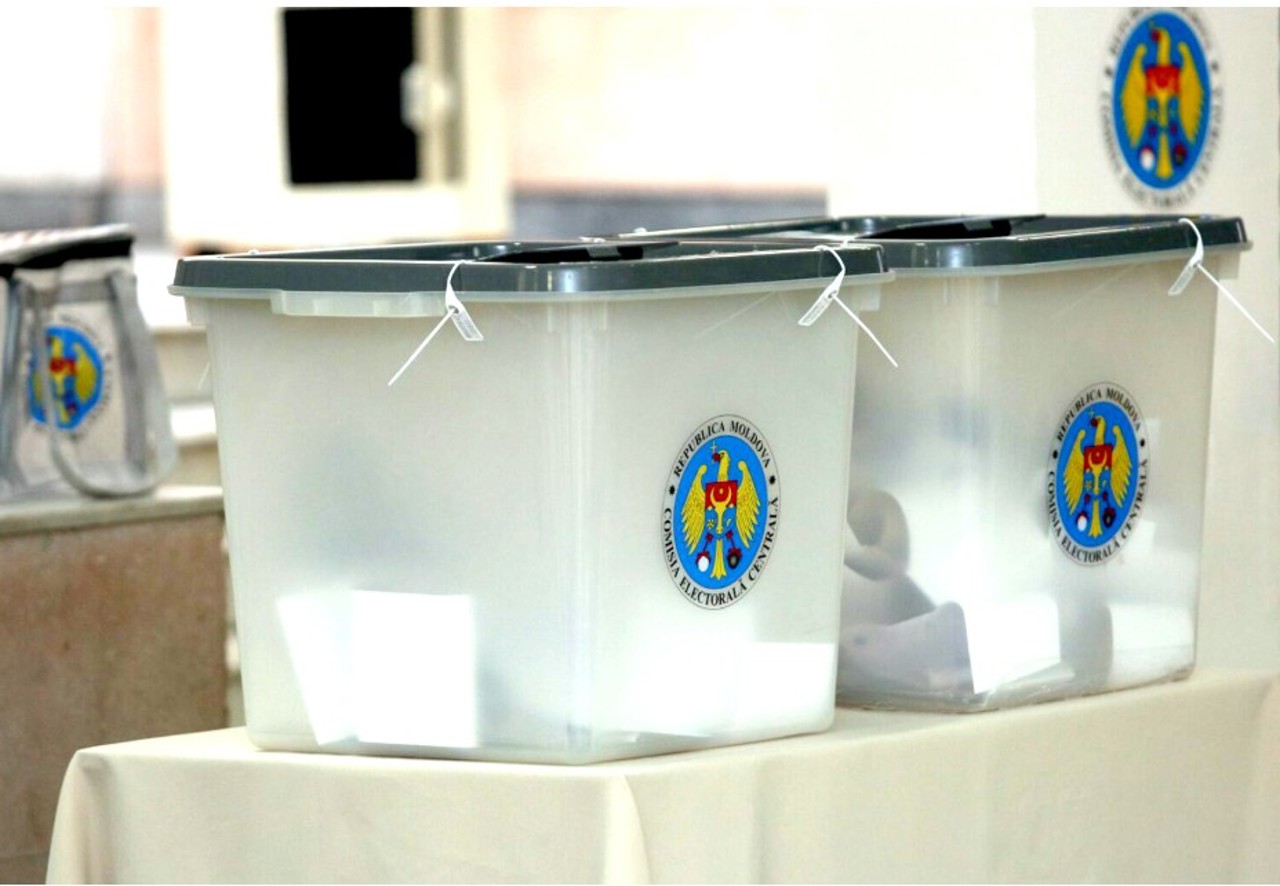
Electoral corruption and vote buying continue to be significant challenges, despite tightened legislation, according to security expert Pavel Horea. He made these remarks following President Maia Sandu's statements after the July 30 meeting of the Supreme Security Council (SSC).
Horea highlighted that vote buying is a serious crime, punishable by fines ranging from 25,000 to 37,500 lei. Organizers of vote buying face fines that can reach up to 57,500 lei.
He stressed the importance of informing citizens that those who accept or solicit payment for participating in elections, whether for voting for a specific candidate or engaging in protests, indeed face serious legal consequences. "Citizens must be reminded that there are severe sanctions in place, particularly against those who partake in vote buying, as we saw in last year's presidential election. It is crucial that people are aware of these risks so that the number of incidents decreases," Horea stated.
Political expert Mihai Mogîldea also emphasized that receiving an electoral bribe poses risks not only to individuals’ finances but also to their freedom. "People need to recognize that participating in such actions endangers their liberty and their money. Institutions must actively spread this message, as we risk facing a recurrence of last year's issues; some individuals might be unaware of the legal ramifications, while others might doubt the law’s enforcement," Mogîldea explained.
Petru Macovei, the executive director of the Independent Press Association, noted that attacks on democracy in the online sphere are likely to rise, and countering these attacks is becoming increasingly challenging. "Election periods in the Republic of Moldova, as well as in other countries, are often exploited for manipulation and disinformation. With advancements in information technology, platforms are evolving, and perpetrators of disinformation campaigns are employing various strategies. Their aim is not solely to deceive everyone but to manipulate specific groups," Macovei said.
Experts warn that the 100 million euros announced by President Maia Sandu, which the Russian Federation intends to use to influence the upcoming parliamentary elections, could only be the beginning. They stress that state institutions must implement targeted measures to counter such hybrid threats.
During her address following the SSC meeting, President Sandu cautioned that the Russian Federation aims to exert control over the Republic of Moldova in the fall, preparing for "unprecedented interference" in the parliamentary elections scheduled for September 28. According to Sandu, Russia is investing in various political movements and projects to place loyal individuals within the future Parliament. These movements include sovereignist groups, aggressive populism, independent candidates, and allegedly pro-European political entities.
To achieve its objectives, Moscow is employing multiple tactics, including disinformation campaigns, covert financing, organized protests, cyberattacks on digital infrastructure, and leveraging religious institutions for foreign purposes. President Sandu stated that state institutions "know what they need to do" to safeguard national security.