Reactions: Russia denies planning "unprecedented interference" in Moldova's elections, while Romania pledges support to Chișinău against hybrid warfare
The Kremlin denied allegations of preparing for "unprecedented interference" in the upcoming September elections, which President Maia Sandu claimed during a meeting of the Supreme Security Council (SSC) on July 30. Additionally, the so-called foreign ministry in Tiraspol disagrees with claims that voters in the region would be mobilized for the parliamentary elections on the right bank of the Nistru. Meanwhile, Romania pledged its support to the Republic of Moldova in the field of cybersecurity to help counter the hybrid warfare tactics being employed by Russia.
This is not true
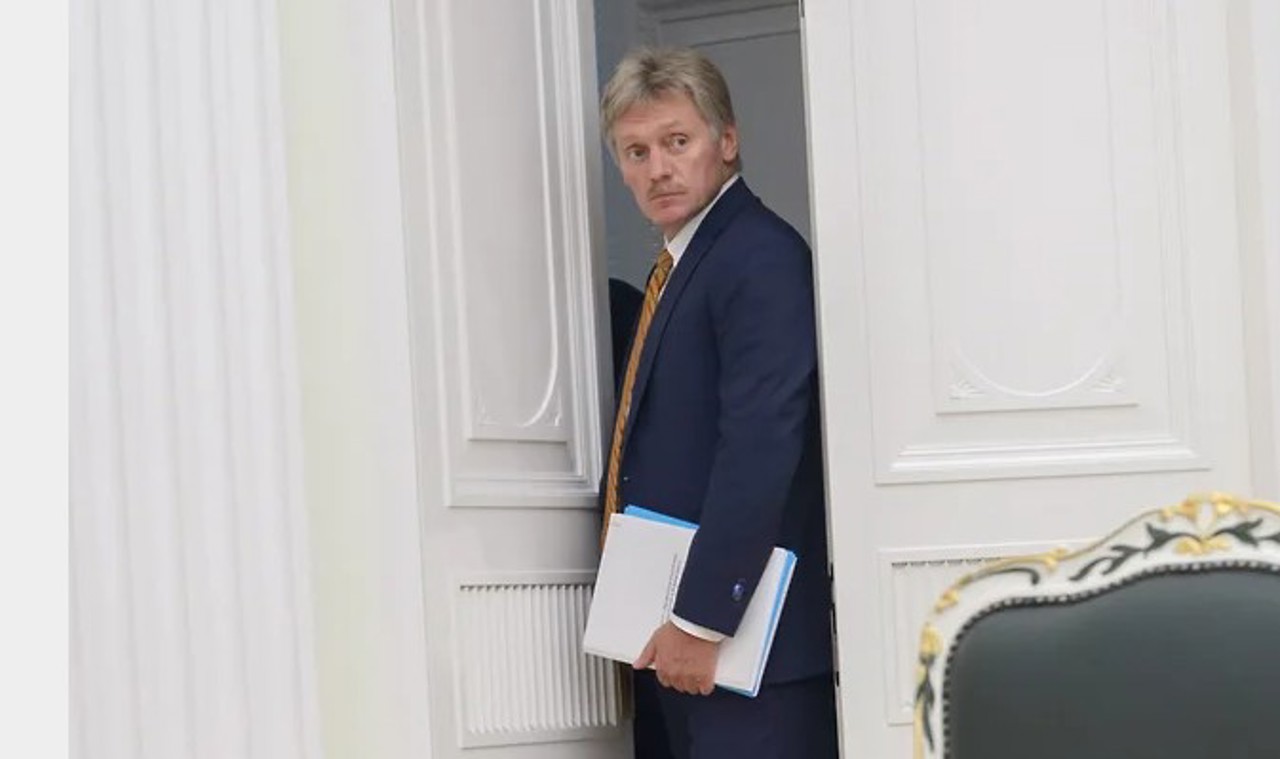
Dmitry Peskov, spokesperson for the Russian president, stated that Maia Sandu’s accusations do not reflect reality, emphasizing that Russia “does not interfere in the internal affairs of other countries.”
“Firstly, this is not true. Russia does not interfere in other countries’ internal matters. We regret to note that the electoral rights of many Moldovan citizens are being violated,” Peskov said in a press briefing.
The so-called foreign ministry in Tiraspol also had a public reaction, rejecting the head of state's accusations that Moscow was planning an organized mobilization of voters from the left bank of the Dniester River in the September elections.
"We understand that the pre-election situation for the authorities of the Republic of Moldova is quite complicated, which is why increased attention is being paid to electoral propaganda. There is no need to manipulate public opinion and provoke additional tensions in relations between Chisinau and Tiraspol based on dubious political interests," the so-called ministry's message reads.
At the same time, the so-called authorities in Tiraspol emphasized that residents of the Transnistrian region who hold Moldovan citizenship "are free to decide independently how to exercise their legal right to vote."
"Methods of intimidation, restriction and artificially fueling a negative atmosphere are unacceptable in truly free and democratic processes," the statement of the so-called diplomacy from Tiraspol also states.
Romania will help Moldova combat hybrid warfare
Romanian President Nicușor Dan reaffirmed that Romania will support Moldova in enhancing its cybersecurity to counter the hybrid warfare initiated by Russia, particularly in light of the upcoming parliamentary elections on September 28. According to Nicușor Dan, these autumn elections are "very important for Europe."
He referenced statements made on July 18 by NATO, the EU, and the UK Government, which highlighted the existence of Russian interference in Europe.
"There is a Russian hybrid war in Europe, involving both cyber and disinformation components. These are established facts. In the Republic of Moldova, these issues are even more pronounced, as there have also been incidents of vote buying, with several thousand cases currently under investigation by the Prosecutor's Office of the Republic of Moldova," he commented, as reported by Euronews.
Dan emphasized the significance of the parliamentary elections in Moldova on September 28 for Europe.
Ion Ceban and Igor Dodon accuse of "abuses"
The leaders of the National Alternative Movement (MAN) and the Party of Socialists (PSRM), Ion Ceban and Igor Dodon, who The Insider identified as potential allies of Moscow in the parliamentary elections on September 28, have expressed their disagreement with the statements made by President Maia Sandu.
For instance, Chisinau's mayor, Ion Ceban, interpreted Sandu's remarks following the meeting of the Supreme Security Council (SSC) as an indication that he might be banned from participating in the parliamentary elections.
"I am certain that, in addition to what has already happened to me—specifically, Romania declaring me persona non grata for five years within the Schengen zone—they are now trying to prevent me from running as a parliamentary candidate. We must all be vigilant about the actions of Maia Sandu and her group. This is far from democratic and should draw international attention," stated Ceban, despite his name not being mentioned by Sandu during her press conference.
Igor Dodon accused the president of establishing a form of “thought crime” in Moldova.
He stated, “If you are eurosceptic, criticize the government, or hold different opinions from Maia Sandu, you are labeled as a hybrid, a criminal, a foreign agent, an enemy, or a public danger. This is unimaginable for a state that claims to be democratic. The paranoia among Chișinău's authorities has reached a clinical level. The election campaign will be with abuses, intimidation, and reprisals carried out by the political police, while the current EU leadership will turn a blind eye,” Dodon remarked.
After the Supreme Security Council meeting on July 30, Maia Sandu warned that Russia aims to control Moldova from autumn and is preparing “unprecedented interference” in the September 28 parliamentary elections.
She explained that Russia is investing in various political currents and projects to infiltrate loyalists into the next parliament, including the sovereignist current, aggressive populists, independent candidates, and purportedly pro-European parties.
To achieve this, Moscow allegedly uses at least ten tools, such as disinformation campaigns, hidden funding and paid protests, cyberattacks on digital infrastructure, and using the church to serve foreign interests.
Sandu claimed the Kremlin plans to funnel about €100 million through cryptocurrencies alone. Mechanisms include “courier networks,” “microcredit for hidden financing,” transfers through accounts at Promsvyazbank, and money laundering schemes aimed at corrupting the electoral process.
The president assured that state institutions “know what to do” to protect national security and urged citizens to stay vigilant.
“Our institutions have an important duty and they know what to do. But citizens also have a great responsibility. The future of Moldova depends on each of us — the information we consume, the actions we take, what we believe, and how we make decisions,” Maia Sandu stressed.