Transnistria adopts repressive laws from Russia
The ban on propagating "non-traditional sexual relationships," gender change, and the refusal to have children—this is the new set of so-called laws signed by the self-proclaimed leader of Tiraspol, Vadim Krasnoselsky.
Those who ignore the restrictions face fines of 1,200 to 9,000 lei. Foreign citizens risk 15 days of arrest, followed by expulsion. Dumitru Rusu, a legal consultant for the Promo-LEX association, spoke on the "Scanner" show on Moldova 1 about why the left bank needs these new "laws" copied from Russian legislation and the potential consequences of these bans.
According to Dumitru Rusu, even people who cannot have children for medical reasons could be affected by the new laws on the left bank. The refusal to have children can be interpreted as any public information about a childless family. However, the expert believes the Transnistrian administration's goal is not necessarily to punish residents but to divert public attention from the authorities' actions and prevent the open expression of discontent.
"We understand that this is an action aimed at completely different circumstances. First and foremost, they are trying to redirect the attention of people in the region, channeling the frustration accumulated against the so-called government in Tiraspol. Why is this happening? We see the economic problems people in the region are facing," the expert noted.
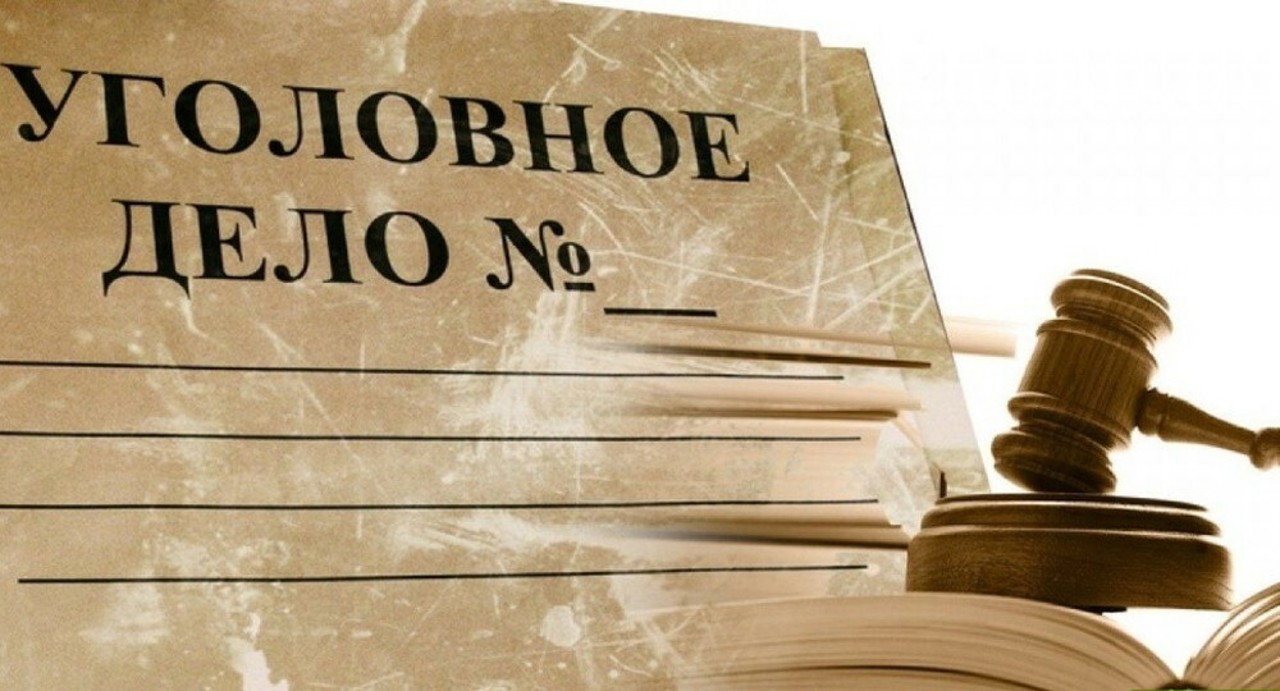
The so-called law banning LGBT propaganda, gender change, and the refusal to have children was copied from Russian legislation. There are no clear definitions of this "propaganda"—even clothes or accessories in rainbow colors can be a reason to initiate a criminal case. These bans will not change people's sexual orientation or have a positive impact on demographics. The main effect will be an increase in hatred, says Dumitru Rusu.
"Hatred toward loved ones, toward society in general. And I believe they are treading a very dangerous path, because hatred never leads to anything good. It's a paradox that, in essence, World War II began exactly like this. What would be the next step? Perhaps a total ban on abortions, as happened in Russia? Most likely, it will come to that, because we see practically the same strategy. Sometimes some additions appear. In essence, it is an instrument that has already been tested in Russia. Now it is being adopted here because it is considered to yield certain results. But what results they are after—that is another question," added the legal consultant for the Promo-LEX association.
Human rights organizations, Dumitru Rusu says, are ready to offer support to people who find themselves in difficult situations because of the new rules imposed by Tiraspol. However, an official reaction is also needed. Residents of the Transnistrian region, many of whom are citizens of the Republic of Moldova, need to know that the state is on their side.
"It is necessary, first and foremost, to think at the state level about how asylum can be offered to people affected by these measures. This is an absolute priority because otherwise, there is no salvation for such people. As far as I know, serious discussions are taking place at the governmental level to find solutions. In isolated cases, measures are taken, but there is no well-defined, functional mechanism. Still, in certain cases, solutions are found," our source also pointed out.
The so-called law, which will come into force in two weeks, does not only refer to the region's residents. There is an article that also targets foreign citizens. Visitors to the left bank can receive up to 15 days of arrest, followed by expulsion. According to Dumitru Rusu, these measures are more about intimidation because the real goal of the Tiraspol regime is control over the local population.
"If, for example, a tourist expresses an opinion that they don't like or that bothers them, they will theoretically be expelled. In fact, such cases have happened even before this, because the repressive mechanism has been working regardless of whether there was a law or not. Now they are trying to give it an appearance of legality, to formalize it, even though these mechanisms were already in use. Moreover, there is another aspect: they will apply these measures in cases that are not criminal in nature," the expert revealed.
According to the legal consultant for the Promo-LEX association, some situations are already covered by the so-called local criminal code.
"The question is: what exactly will they apply? Most likely, they will open criminal cases. And in cases that don't seem 'serious' to them, they will use the very vague and ambiguous notions from this so-called legislative package," mentioned Dumitru Rusu.
The expert reminded that Tiraspol has so far adopted six restrictive acts that also refer to mass media and cinematography.
"If you look closely, you realize that their goal is to redirect attention, including toward the right bank and other inconvenient actors," concluded the legal consultant for the Promo-LEX association.
Translation by Iurie Tataru