Archaeologists uncover a Roman-era fortification in Moldova
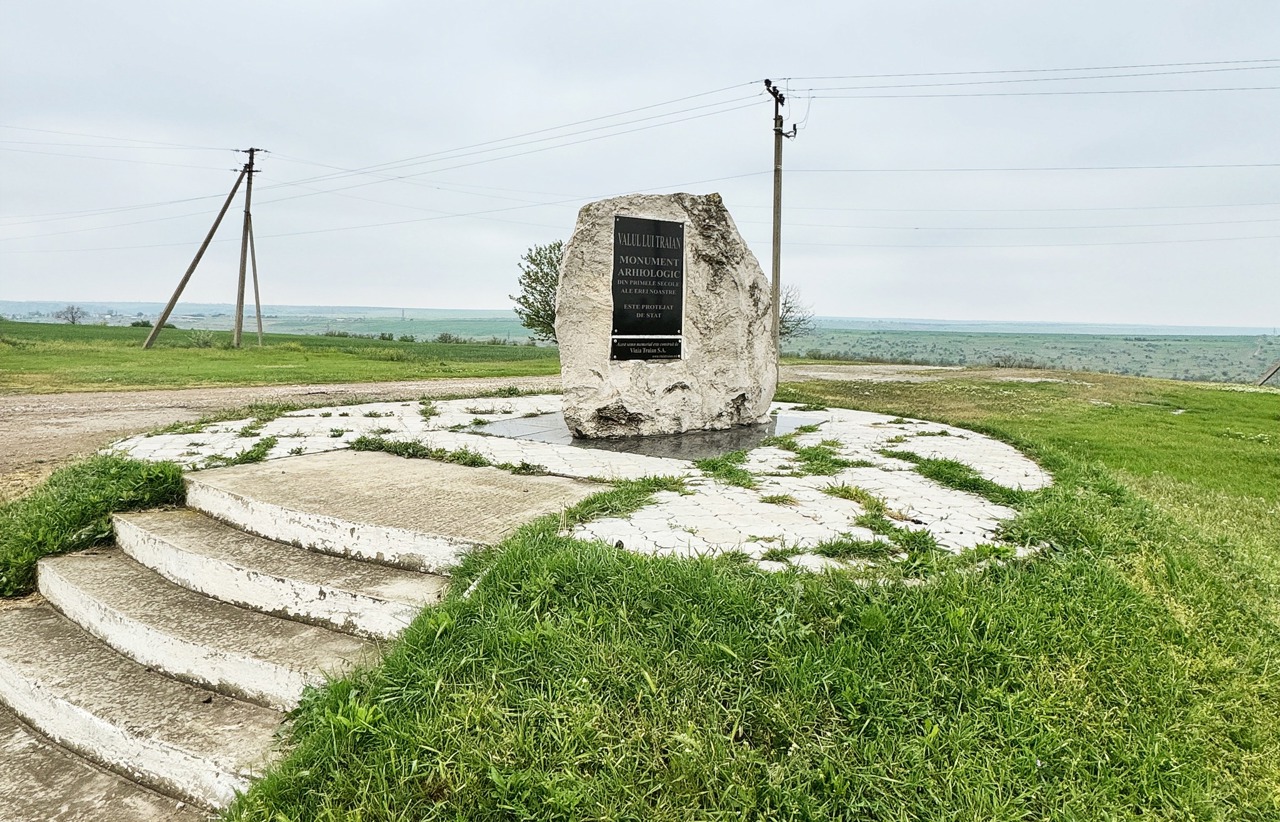
An ancient fortification dating from Late Antiquity, built in the first centuries of the Christian era, has been excavated by archaeologists in the Republic of Moldova.
It is the Lower Trajan's Wall, a linear fortification found near the village of Găvănoasa in the Cahul district.
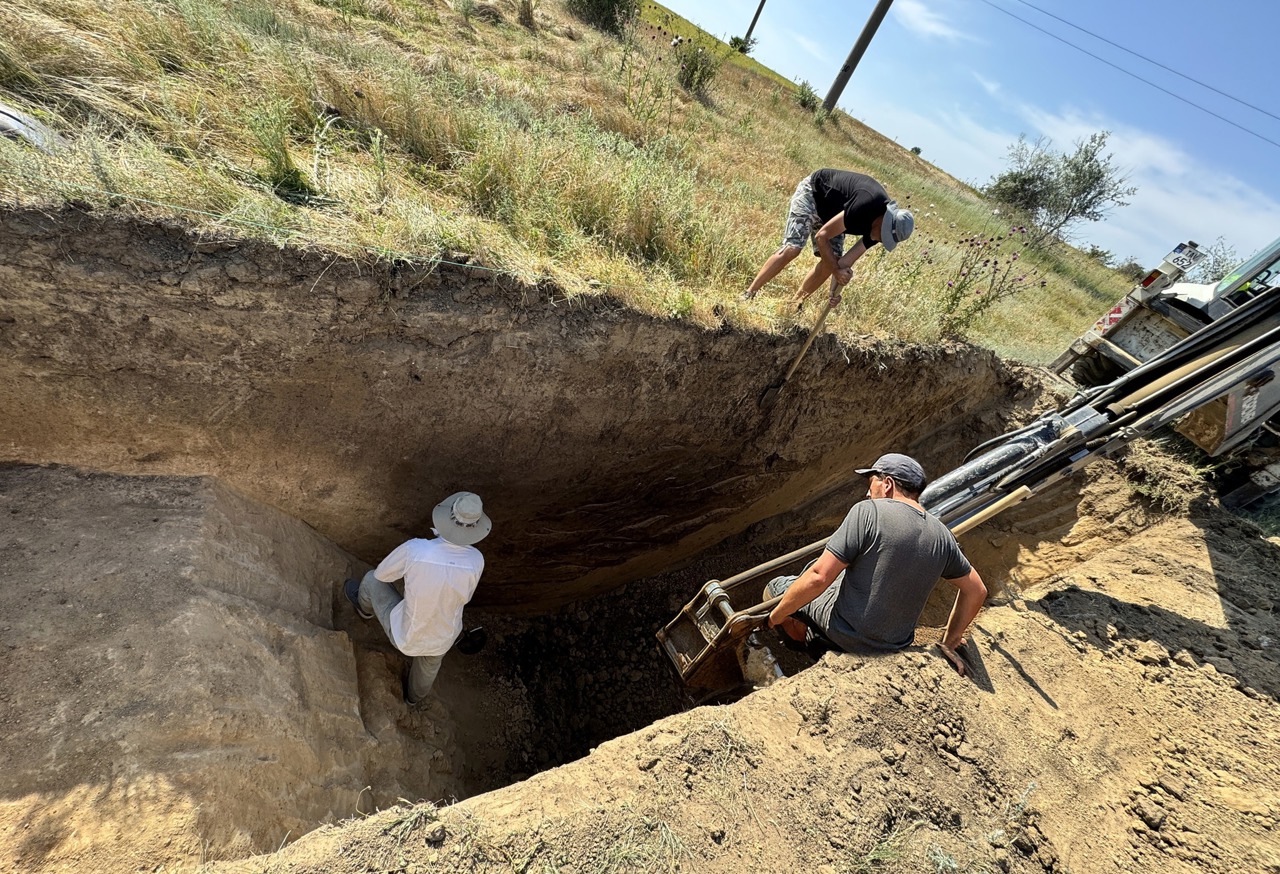
The fortification, which dates to the height of the Roman Empire's development and expansion, was discovered earlier this year during excavations for a new aqueduct in southern Moldova. Archaeologists were subsequently called to the site.
"Following our investigation, we determined that the ditch has a trapezoidal shape in cross-section. It is 6 meters wide at the top, and 3.25 meters wide at the base. The ditch's depth, measured from the present-day ground surface, is 3.7 meters," according to the National Archaeological Agency.
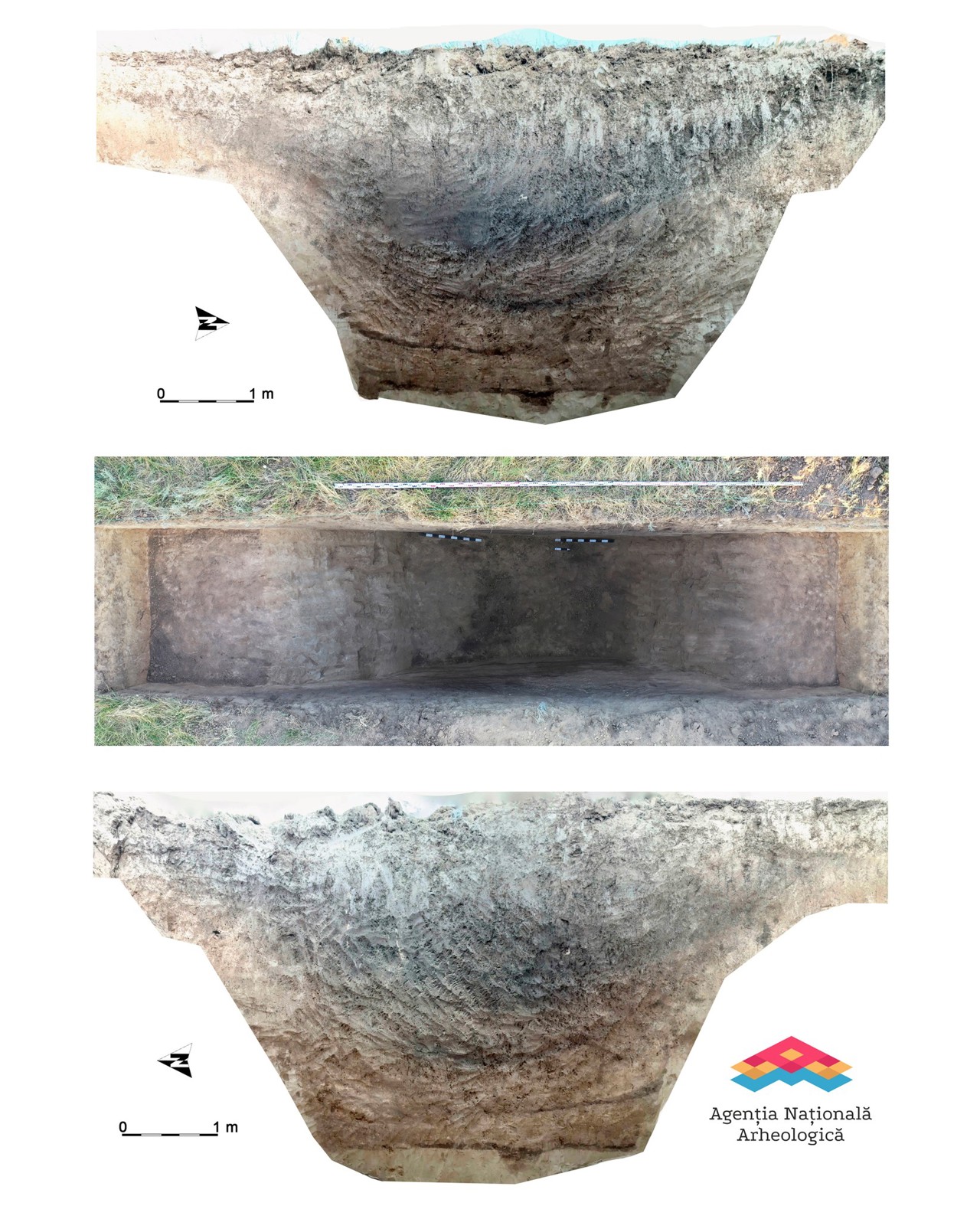
According to the agency, similar to other sections of the Lower Trajan's Wall in the area, the earthen rampart of the linear fortification was leveled in the 1970s and '80s for agricultural work and vineyard planting. However, the ditch was located underground and remained well-preserved.
"The research at Găvănoasa provides significant insight into one of the most important linear fortifications in the Prut-Dniester region, which is, unfortunately, experiencing continuous degradation," say the archaeologists.
Translation by Iurie Tataru