MFA, CEC deny Moscow’s new diaspora vote falsification claims
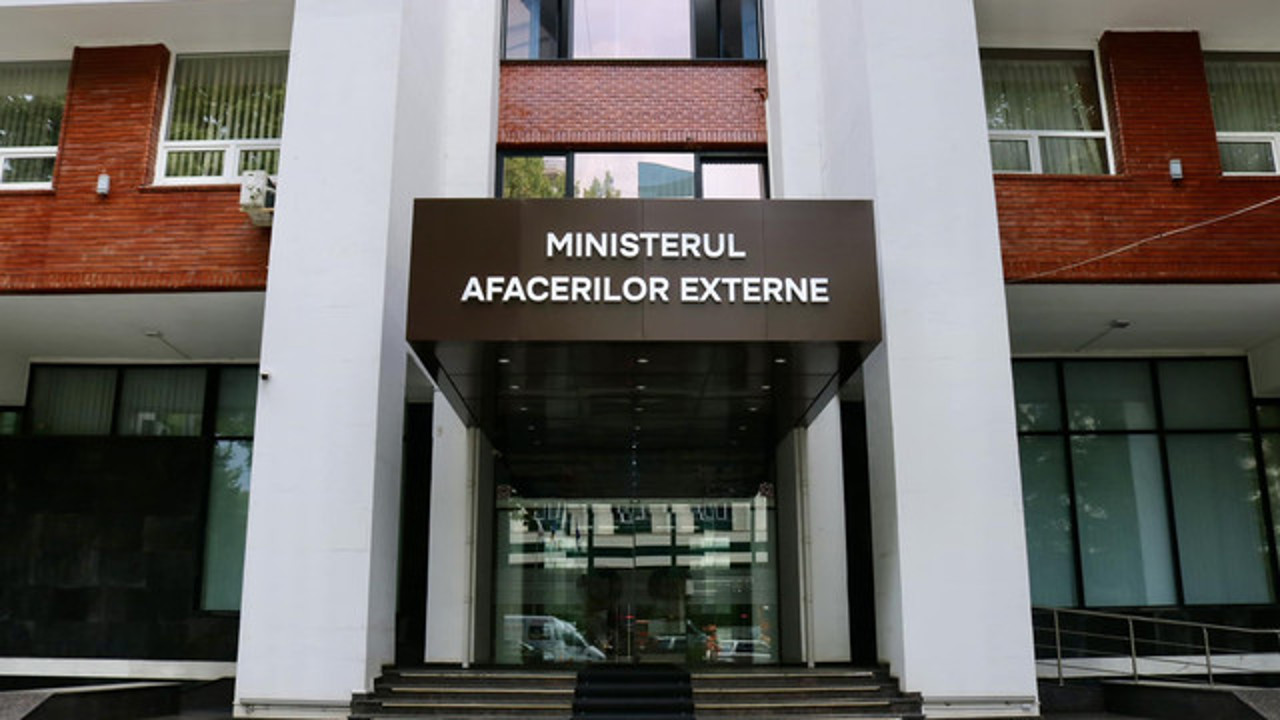
The authorities of the Republic of Moldova dismissed the accusations made by Sergei Shoigu, the Secretary of the Security Council of Russia, claiming that there was a falsification of the diaspora vote in the parliamentary elections held on September 28. The Ministry of Foreign Affairs (MFA) stated that these claims are "maneuvers in the information war" conducted by the Russian Federation against the Republic of Moldova.
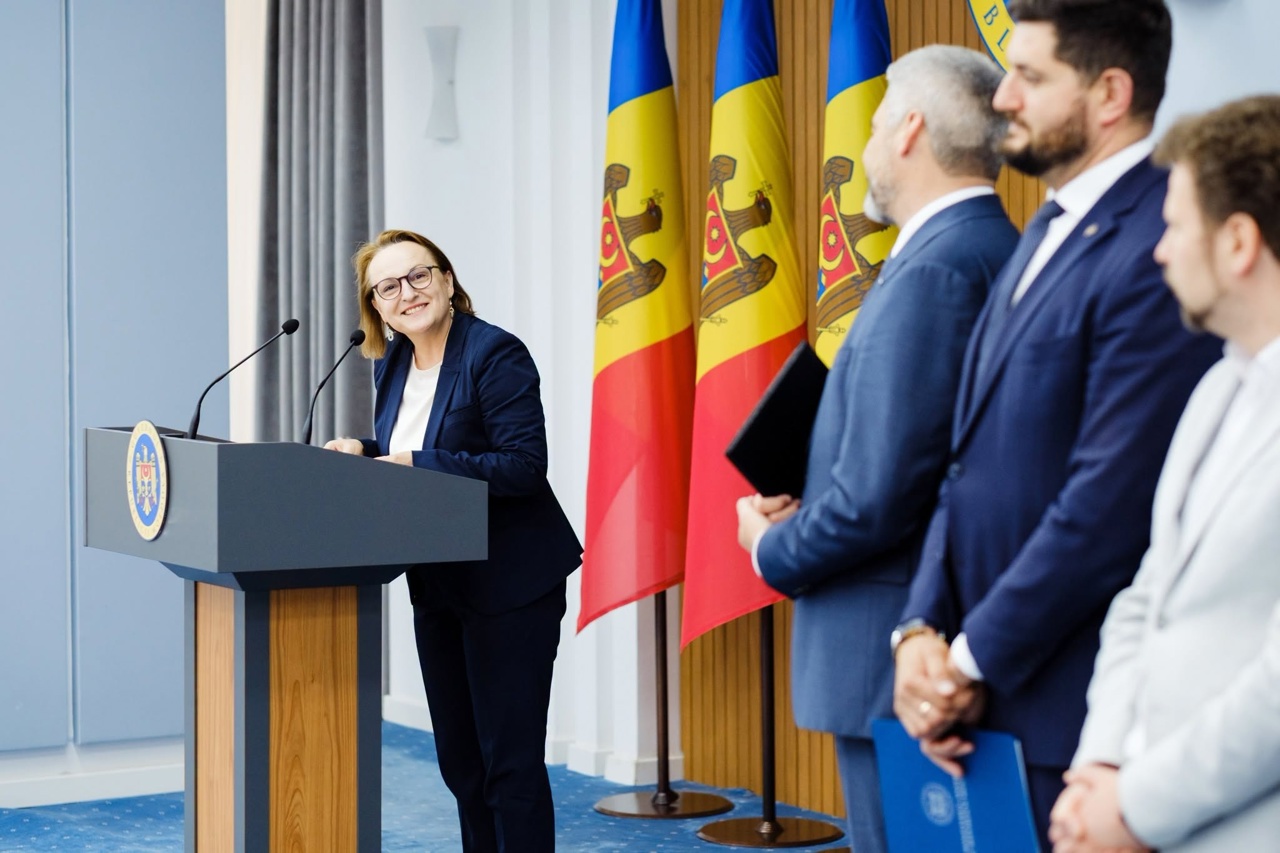
Such statements represent an unacceptable interference in the internal affairs of our country and are part of a disinformation campaign aimed at influencing electoral processes and discrediting Moldovan communities abroad," stated a press release from the Chisinau Ministry of Foreign Affairs (MFA) made public on Monday, August 11.
According to the MFA, the authorities of the Republic of Moldova are committed to organizing parliamentary elections "in a democratic, transparent manner and following the legal framework."
"Sustained efforts are being made to ensure that every voter can freely and independently express their choice, including Moldovan citizens in the diaspora, who are an important and respected part of our society. The Republic of Moldova reaffirms its strong commitment to democratic values and rejects any external attempt to undermine the electoral processes and the stability of the state," the Chisinau MFA added.
In the same context, the Central Electoral Commission (CEC) reiterated the right of all citizens to freely express their vote in the elections.
"Such statements are part of a disinformation campaign aimed at eroding trust in the electoral process and discrediting the significant role of Moldovan citizens abroad. Citizens of the Republic of Moldova living abroad are an integral part of society, possessing the same constitutional rights as any other citizen to participate in the voting process. The electoral authority rejects any attempts to marginalize or question their right to a free and informed choice," said the CEC.
The source assured that rigorous security, monitoring, and verification measures are in place to guarantee that each vote is counted accurately and reflects the voter's true choice.
"The CEC urges all citizens to obtain information from official and credible sources, to avoid engaging in manipulation campaigns, and to exercise their right to vote freely, uninfluenced, and responsibly in the parliamentary elections scheduled for September 28, 2025," concluded the CEC statement.
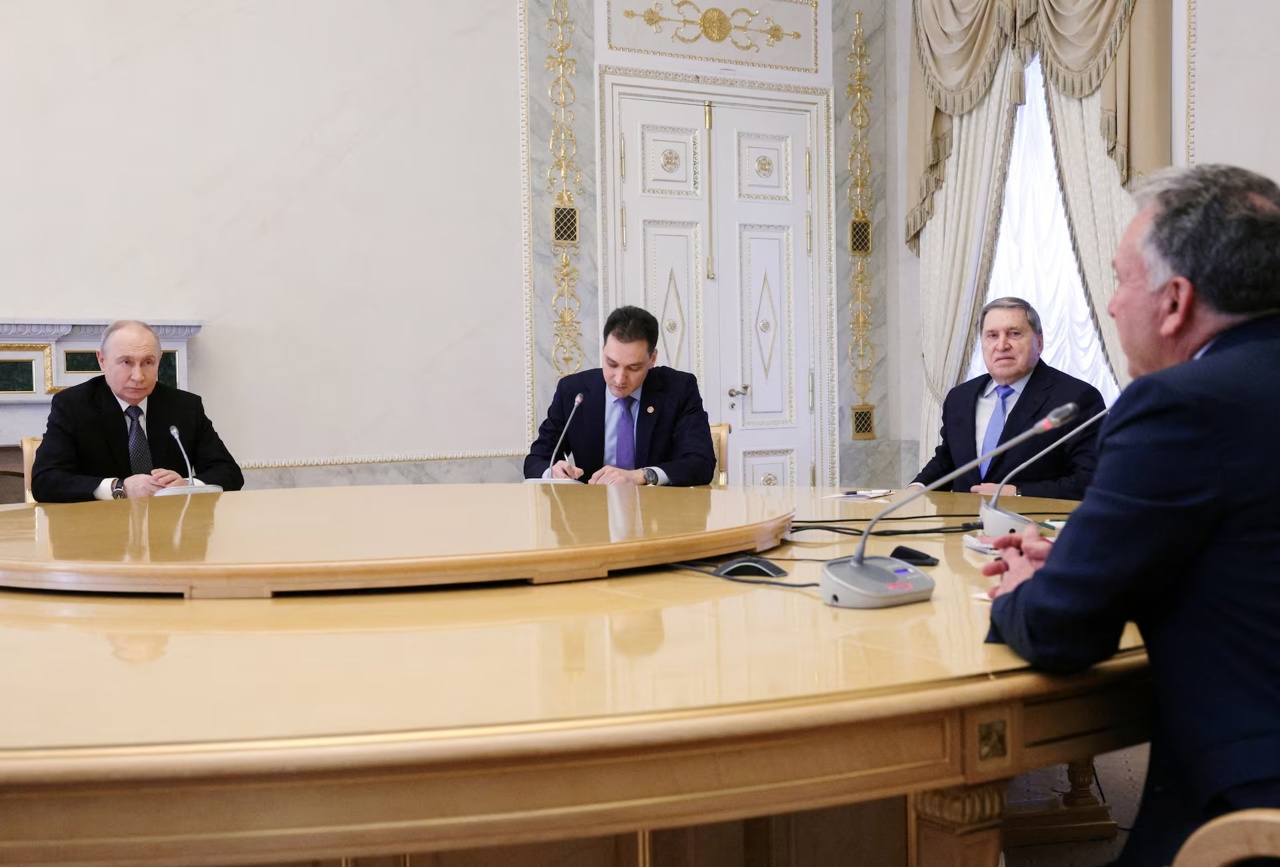
The reactions from the two institutions in Chisinau follow claims made by Sergei Shoigu, Secretary of the Russian Security Council, who accused Moldovan authorities in an article titled "Moldova at the Crossroads" of intending to "crudely and primitively falsify" the diaspora vote, as the ruling party is unsure of its potential "victory" in the parliamentary elections this fall.
According to Shoigu, the September 28 parliamentary elections will determine the Republic of Moldova's "geopolitical vector" for the coming years. He accused the ruling party of "deepening the rift in Moldovan society" between "supporters of the Euro-Atlantic vector" and those "who oppose the erosion of Moldovan statehood."
In the article published by the Kremlin-aligned press, the former Russian Defense Minister also claimed that NATO intends to incorporate the Republic of Moldova into its military infrastructure "without formal accession and security guarantees."
President Maia Sandu warned, after the last meeting of the Supreme Security Council at the end of July, that the Russian Federation is intensifying its disinformation efforts in anticipation of the fall parliamentary elections. According to the president, actions planned by Moscow include hidden funding, paid protests, online disinformation campaigns, cyberattacks, and exploiting religious institutions, alongside attempts to sabotage polling stations in the diaspora, organized mobilization in the Transnistrian region, and spreading false narratives in Gagauzia regarding alleged risks to autonomy.