Russia's immigration amnesty for Moldovans seen as 'election ploy'
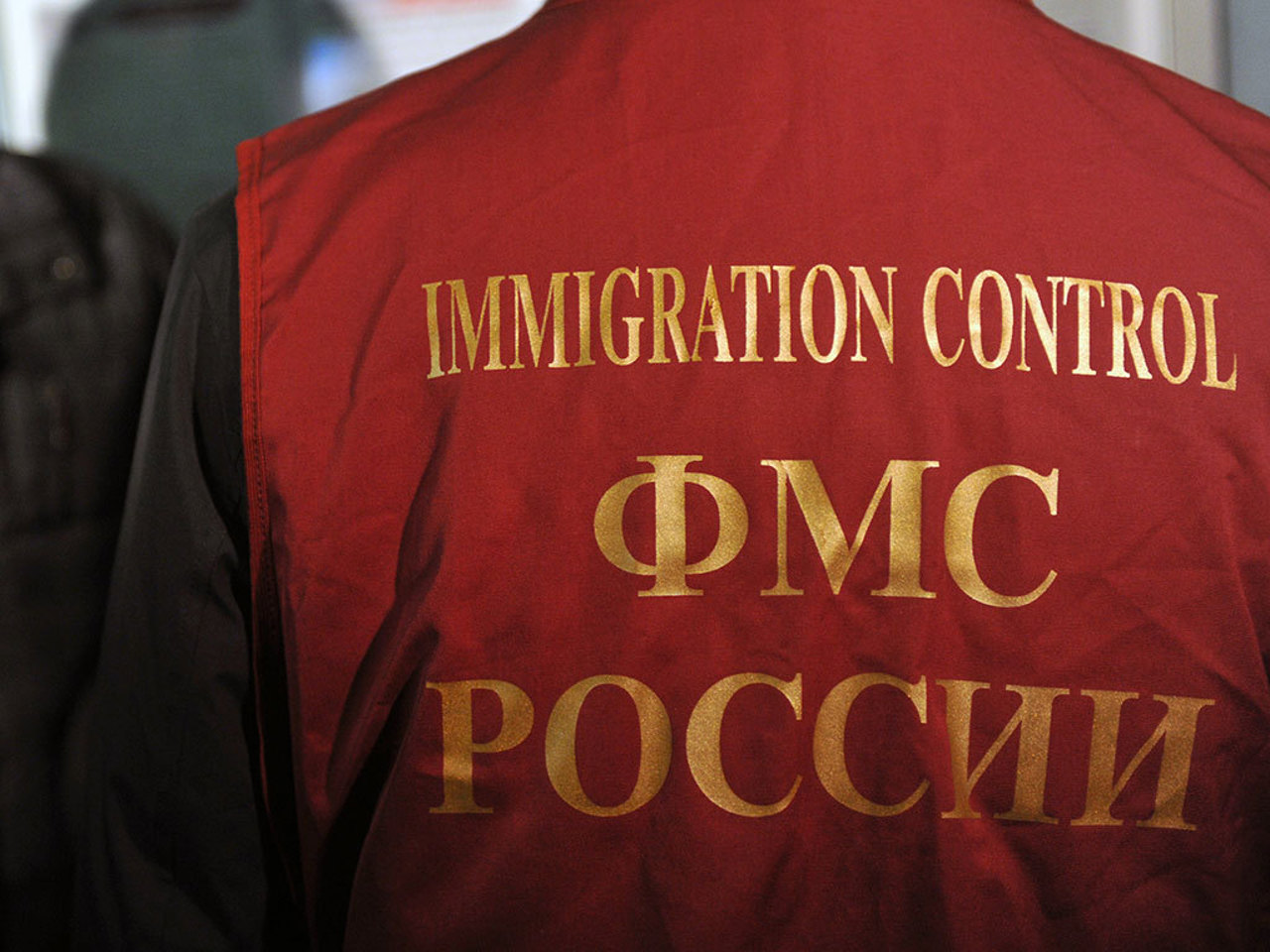
While Russia intensifies its crackdown on illegal immigrants, it has offered a temporary amnesty to Moldovan citizens, allowing them to legalise their residency until 1 January next year.
A decree signed by Vladimir Putin in July allows them to obtain or extend a residence permit if they apply to the Interior Ministry and provide their biometric data. In Chişinău, the gesture is seen as an attempt by Moscow to influence upcoming parliamentary elections and as part of its hybrid warfare.
Migration rules are relaxed for Moldovans but tightened for citizens of other republics, especially those from Central Asia. Major Russian cities are seeing massive raids, with detentions and deportations. Last year, more than 80,000 migrants were sent home—twice as many as in previous years. The issue is already being debated in the State Duma, with warnings that it could threaten the country's stability.
"Mass illegal migration is simply a desire of the business community to make maximum profit by attracting a disadvantaged and poorly paid workforce from abroad. Everything else is secondary," said Russian MP Alexei Kurinny.
Russian media are debating whether migrants are a burden or a benefit to the state and society.
"In agriculture, even in the Amur region, labour productivity increased after the migrants left. Migrants not only destroy our cultural environment—they are destroying the work culture itself," said Russian political scientist Ernest Makarenko.
Human rights activists believe that in the future, Russian authorities will declare all migrants illegal.
"Changes to the law are being prepared to declare all migrants illegal. It would be mandatory, with no right to appeal. This means they would leave migrants defenceless. The obligation to refuse the right to appeal is a condition for remaining in Russia. People could be placed in a controlled residency regime. Any migrant could be forbidden from leaving their registered address. This is an arbitrary decision that police can make without any grounds. Police could also detain for 48 hours any person who does not have a Slavic appearance under the pretext of violating the controlled residency regime—a total lack of rights," noted lawyer Valentina Chupik, a human rights activist.
The decision regarding migrants was made just before the parliamentary elections in the Republic of Moldova. Experts view it as an attempt by Moscow to attract the votes of Moldovans through temporary benefits. Similar concessions were made in 2017 and 2019, targeting hundreds of thousands of citizens. While about half a million Moldovans lived in Russia in 2014, two years ago their number was just over 100,000.
Translation by Iurie Tataru