Moldova’s wine sector goes global: Key conference
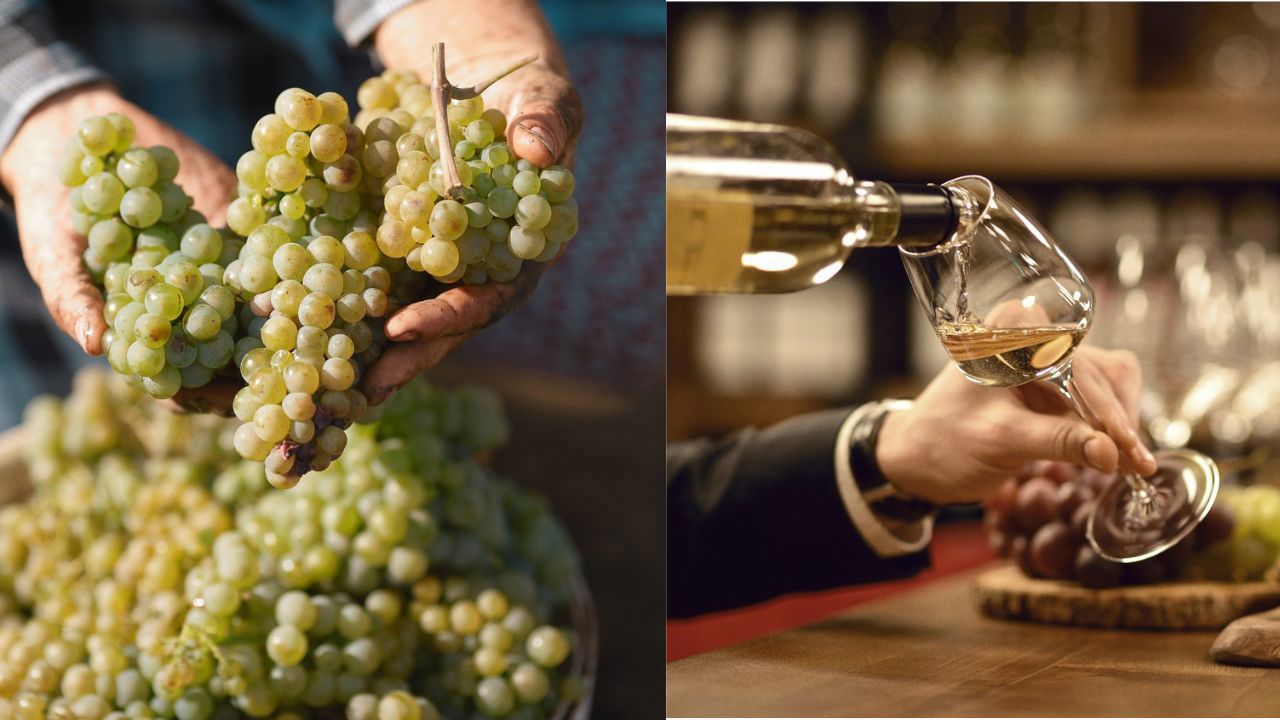
Moldova is taking steps to reposition its wine on the global stage, moving from tradition towards international competition.
At the National Wine Conference in Chișinău on 22 August, producers will directly discuss challenges and opportunities in foreign markets with authorities and partners. For the first time, a special module on international promotion is on the agenda.
The National Office for Vine and Wine (ONVV) will host the 9th National Wine Conference at the Urban Business Center on Friday, 22 August. It is the most important annual event for Moldova’s wine industry, and its theme is “Transforming the Wine Sector: From Tradition to Global Competition.”
“The National Wine Conference is held twice a year: the first to review the previous year’s results, and the second, like this one, just before the harvest season. For the first time, we have structured the event into four modules, one of which is dedicated exclusively to international promotion. We considered it important for winery representatives to participate directly in these discussions to collectively address the challenges in foreign markets, where we export 85% of our wines,” stated Ștefan Iamandi, director of the National Office for Vine and Wine, for Teleradio-Moldova.
The event will bring together producers, authorities, local and international experts, as well as representatives from the European Union, to discuss strategic directions for the sector's development. This is happening in a context shaped by European integration, competitiveness in foreign markets, adaptation to digitalisation and innovation, and climate change.
The conference is structured into four thematic modules: European policies and perspectives, international promotion and export market development, the specifics of the 2024–2025 wine year, and grant programmes to support the sector.
The central themes of the event include adapting exporting producers to the rigours of the European market, export opportunities, and strategies for brand positioning through visual identity and storytelling.
According to the ONVV director, Moldova’s strategic wine markets include Romania, Poland, and the Netherlands, but the ONVV is also targeting South Korea, Japan, Canada, Denmark, and Belgium. Other markets being considered for the coming years are Germany, the United States, and Great Britain.
Experts will also discuss the impact of climate conditions on wine quality, and representatives from national and international institutions will present financial support programmes for the sector.
“We provide support to all producers, including small ones. For example, we support the festival for small winemakers, organised in September, and co-finance the participation of wineries in international competitions, many of which are held in European countries. We also include producers in action plans for international exhibitions and fairs. In September, we will organise the Wine Festival in Bucharest with over 45 participating wineries,” Iamandi said.
There are around 240 registered wine producers in Moldova.
“Not all of them export. Among these are producers who only make bulk wine or wine distillates. Generally, around 70-80 companies export abroad,” the ONVV director specified.
This year’s National Wine Conference also has the support of international partners, including the Delegation of the European Union to Chișinău. Ambassador Jānis Mažeiks, donors, and representatives of investment funds such as the Ukraine Moldova American Enterprise Fund (UMAEF) will participate in discussions and present funding opportunities for the sector.
Translation by Iurie Tataru