Moldova proposes cutting Transnistria polling stations
Moldovan authorities are considering reducing the number of polling stations for citizens in the breakaway region of Transnistria from 30 to 10 ahead of the September 28 parliamentary elections.
The move has been proposed as a technical decision by the Association for Participatory Democracy (ADEPT), a group that monitors elections, with Deputy Director Polina Panainte stating the decision is "strictly technical, based on an analysis of voter turnout from the last three elections."
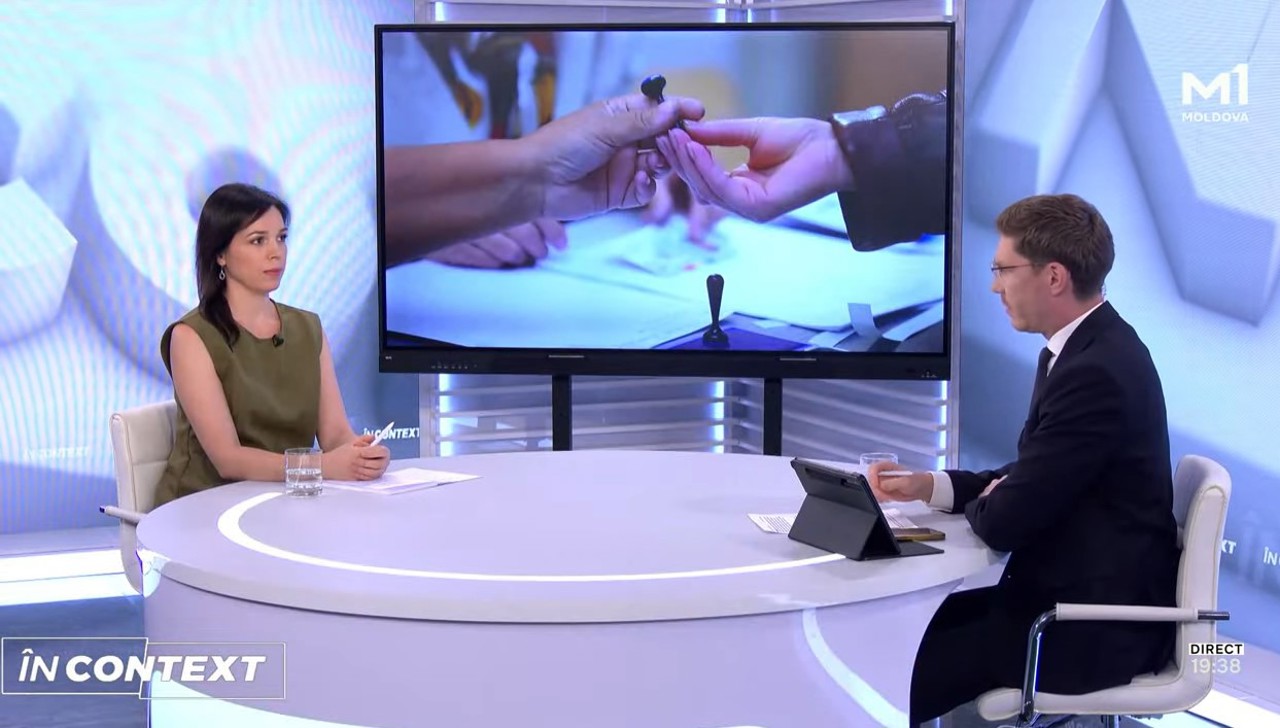
"When calculating the necessary number of polling stations, Moldovan authorities examine voter turnout trends, as the number of people casting their ballots is decreasing. Taking into account the turnout from the last three elections — 2020, 2021, 2024 — it is considered appropriate to reduce the number of polling stations from 30 to 10 to meet the actual needs on the ground. The number of people voting has now fallen to 26,000. Therefore, 30,000 ballots for 10 polling stations would be enough to accommodate voters from the Transnistria region," Polina Panainte explained on the August 20 edition of the show ÎN CONTEXT on Moldova 1.
High costs for low turnout
According to the ADEPT deputy director, maintaining a large number of polling stations in regions with extremely low turnout is not justified either logistically or financially.
"We have seen some polling stations for citizens in the Transnistria region where fewer than 50 people have voted. This raises questions about their financial efficiency, considering there are localities with two or three polling stations. This is a concern, especially when we consider whether there is genuine interest and a desire to vote," Polina Panainte explained.
Challenges: Lack of control and potential fraud
The ADEPT expert emphasised that it is difficult for Chișinău authorities to monitor voter participation from the Transnistrian region, as there is a risk of illegal transportation of voters for a fee.
"There have been reports of initiatives to mobilise voters for payment, encouraging them to vote in a particular way. We must not forget that the Chișinău authorities cannot control what happens in the Transnistria region, and the processes there are largely unknown. Electoral candidates cannot campaign and cannot properly inform voters about what is happening in Moldova. Therefore, we cannot know whether those in the Transnistria region come to vote of their own free will or if they are being mobilised. We saw in 2024 that tens of thousands of Moldovans were paid to cast their votes," the expert recalled.
Between efficiency and legal balance
Panainte explained that although every vote is equal, regardless of where it is cast, the reality on the ground requires a rethinking of resources, especially where turnout is low. In this context, "we can only talk about a technical decision."
"A Moldovan citizen's vote holds the same legal power regardless of where it is exercised: in Milan, Chișinău, or Bucharest. All votes are equal, and therefore, citizens in the Transnistria region have an equal vote to those residing in the territory controlled by the Chișinău authorities. That's why I think we need to see the reasoning behind the decision from the Central Electoral Commission, which will be made by August 24. But there is enough data to support this reduction in the number of polling stations," the ADEPT expert opined.
The announcement comes after Chișinău authorities opened 30 polling stations for voters in the Transnistria region for the 2024 presidential elections and referendum. At some of them, only a few dozen people voted. The CEC's calculations indicate that for the September 28 election, ten polling stations would be sufficient.
Translation by Iurie Tataru