Russia accused of hybrid war on Moldova amid election tensions
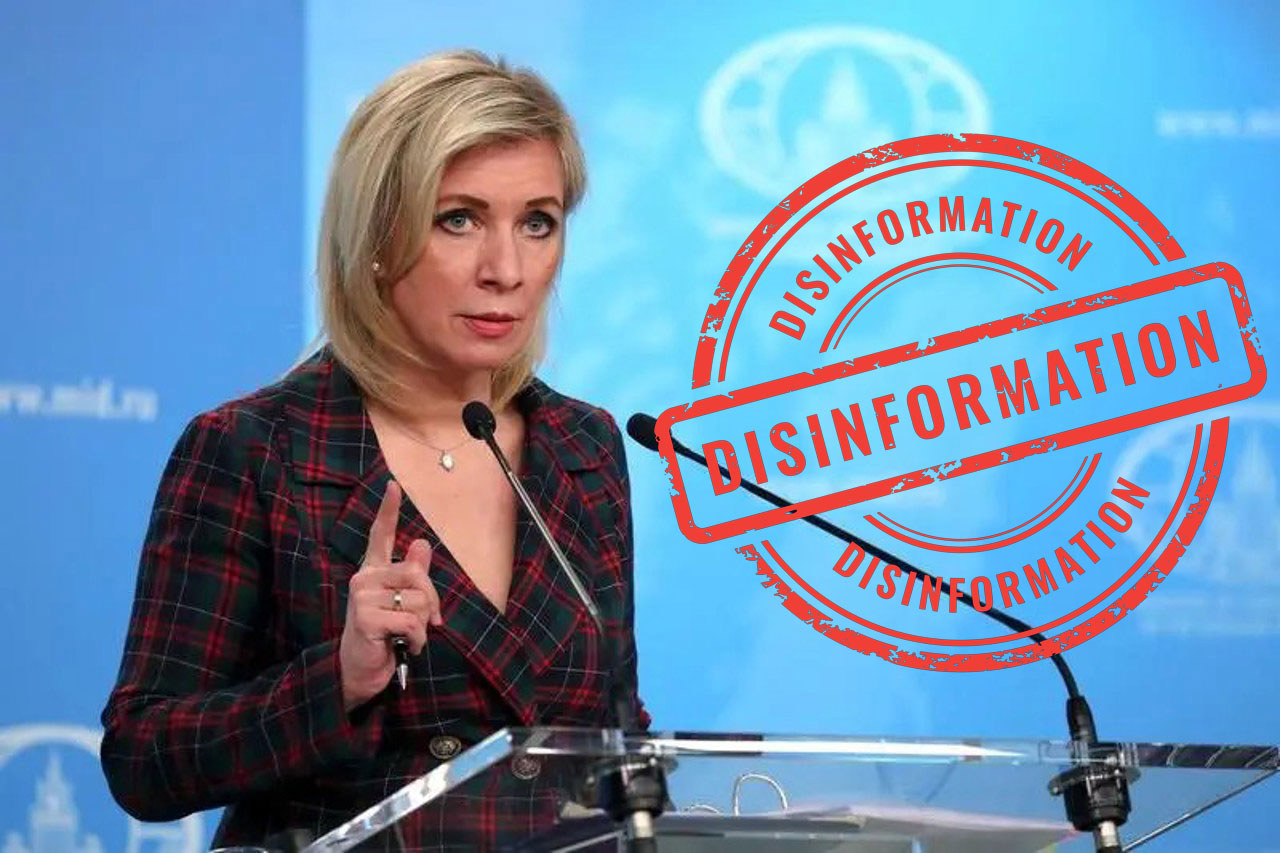
Moscow has been accused of waging a "hybrid war" against Moldova by stepping up its disinformation campaign ahead of the country's upcoming parliamentary elections.
Experts say claims by Russian Foreign Ministry spokesperson Maria Zakharova that Moldovan authorities were putting "unprecedented pressure" on the opposition were simply propaganda designed to sow distrust and destabilise society.
The statements appear to be directly inspired by the agenda of pro-Russian politicians in Chișinău, observers say.
Ms Zakharova claimed the Central Electoral Commission's (CEC) refusal to register the "Pobeda" ("Victory") Bloc—launched by convicted fugitive Ilan Șor in Moscow—was proof of "political persecution."
Black Sea region expert Mihai Isac said Russia was paying close attention to Moldova, as it aimed to regain influence lost in Chișinău.
"The entire propaganda apparatus of the Russian Federation—both the official one, which includes Ms Zakharova, and the less official one, which also involves pro-Russian media outlets—is engaged in a full-scale offensive on all fronts against Moldova," Mr Isac told Moldova’s public broadcaster.
He added that "twisting reality and the truth is part of the hybrid arsenal" the Kremlin is using to "inflame passions in Moldovan society during the election period."
Another expert, journalist Viorica Zaharia, said the real pressure was from the huge wave of disinformation flooding the public sphere.
"Maria Zakharova is right about one thing: she says that pressure has intensified in the run-up to the elections in Moldova. I'm referring to the fact that the pressure of disinformation has increased significantly," Ms Zaharia explained.
A monitoring of several Telegram channels specializing in disinformation found that fake news stories were being posted on multiple channels simultaneously every two days.
The content of these falsehoods was almost identical and targeted sensitive topics, such as NATO military exercises being presented as a "foreign invasion" or insinuations about the justice system. The expert said these narratives were intended to create a climate of crisis and uncertainty.
Police, the national telecoms regulator (ANRCETI), and the intelligence service (SIS) have requested that 443 TikTok channels involved in propaganda be blocked.
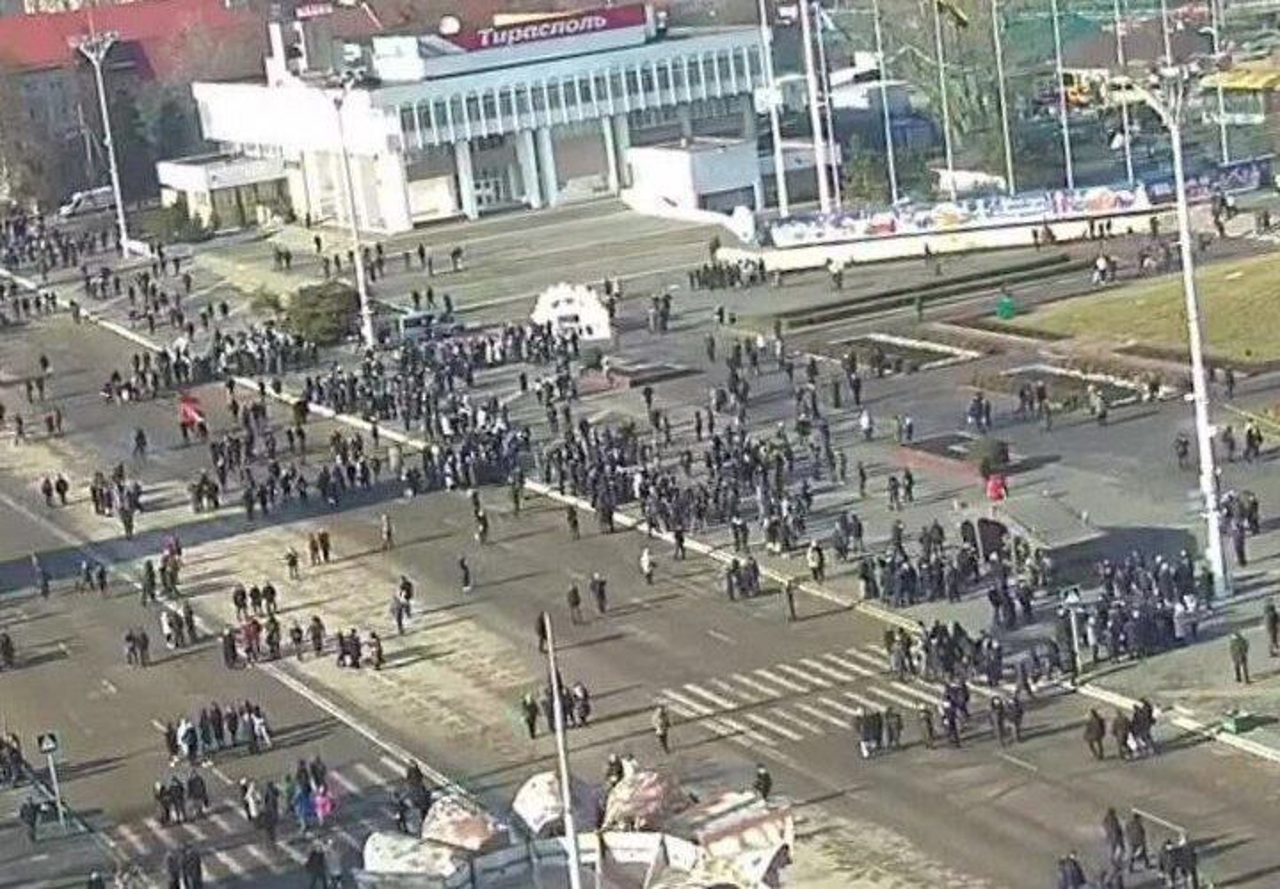
Ms Zaharia also pointed out that Ms Zakharova was manipulating facts about protests in Chișinău.
"I don't know why she omits to say that financial rewards were promised at these protests, and the Moldovan police already have evidence and have detained people who admit on camera that they came there because they were promised money," the journalist recalled.
According to police, over 40 protest participants admitted they were paid 1,000 lei each by the "Șor" criminal group.
Security expert Andrei Curăraru said Ms Zakharova's comments had become "a tradition in the Moldovan information space" and that they directly support certain political forces and delegitimise decisions within Moldova's justice system.
"This speaks to her bias and the fact that she isn't acting as a diplomat, but rather a propagandist, and her statements should be treated as such," Mr Curăraru concluded.
The Ministry of Foreign Affairs in Chișinău declined to comment on the latest accusations.
Experts say the actions are part of a hybrid war aimed at undermining the pro-Western government and reducing citizens' trust in state institutions.
Among the methods used is the "Matryoshka" propaganda network, which in the last three months has released 39 fake news stories about Moldova—mimicking materials from the BBC, The Economist, or Euronews—that have been viewed almost two million times.
Additionally, over 910 Russian-coordinated accounts distributing anti-EU and pro-Russian messages have been identified on social media, especially on TikTok, where over 700 fake clips have appeared, some generated with artificial intelligence.
In parallel, Moscow is also financing protests and vote-buying through fugitive Ilan Șor, who was sentenced to 15 years in prison but is hiding in Moscow from Moldovan justice.
Translation by Iurie Tataru