Moldova: French President Macron pledges support for cultural heritage restoration
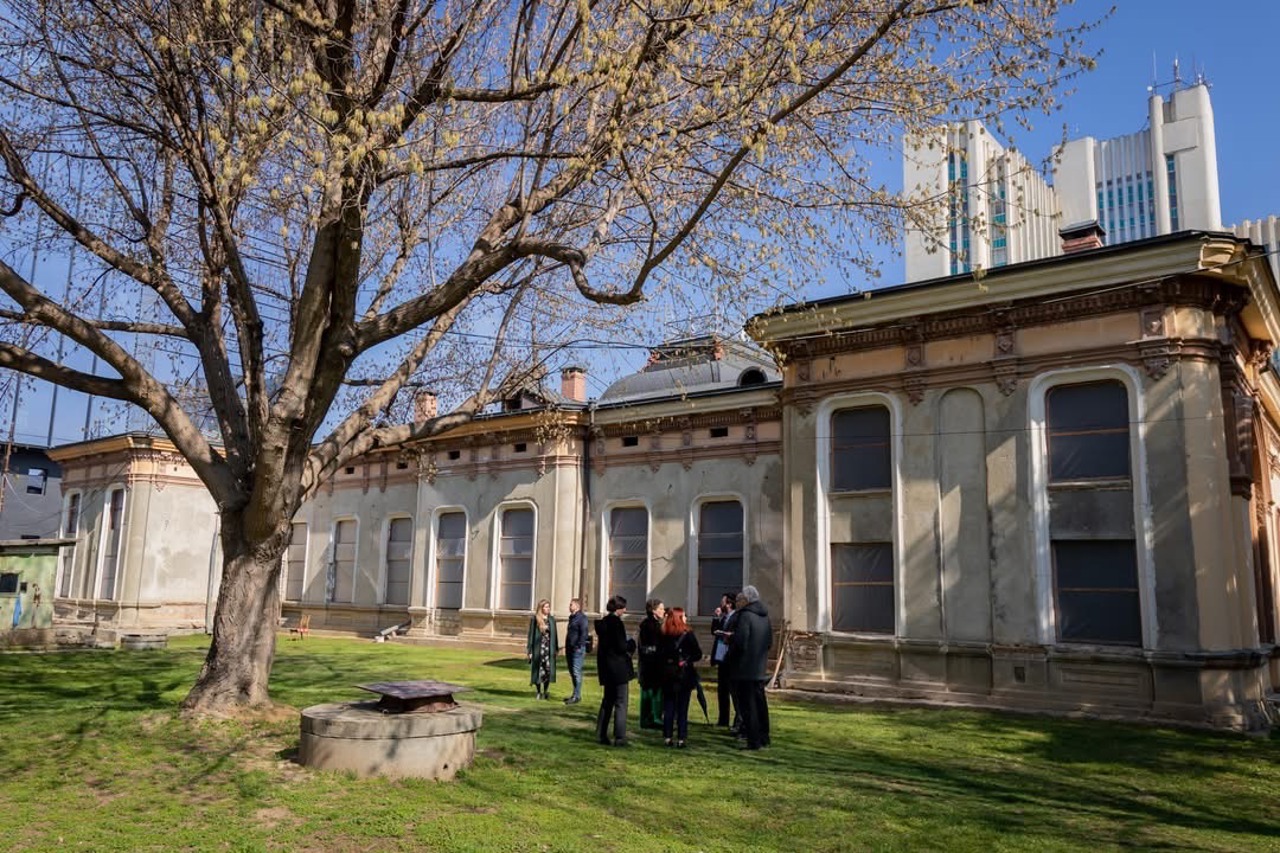
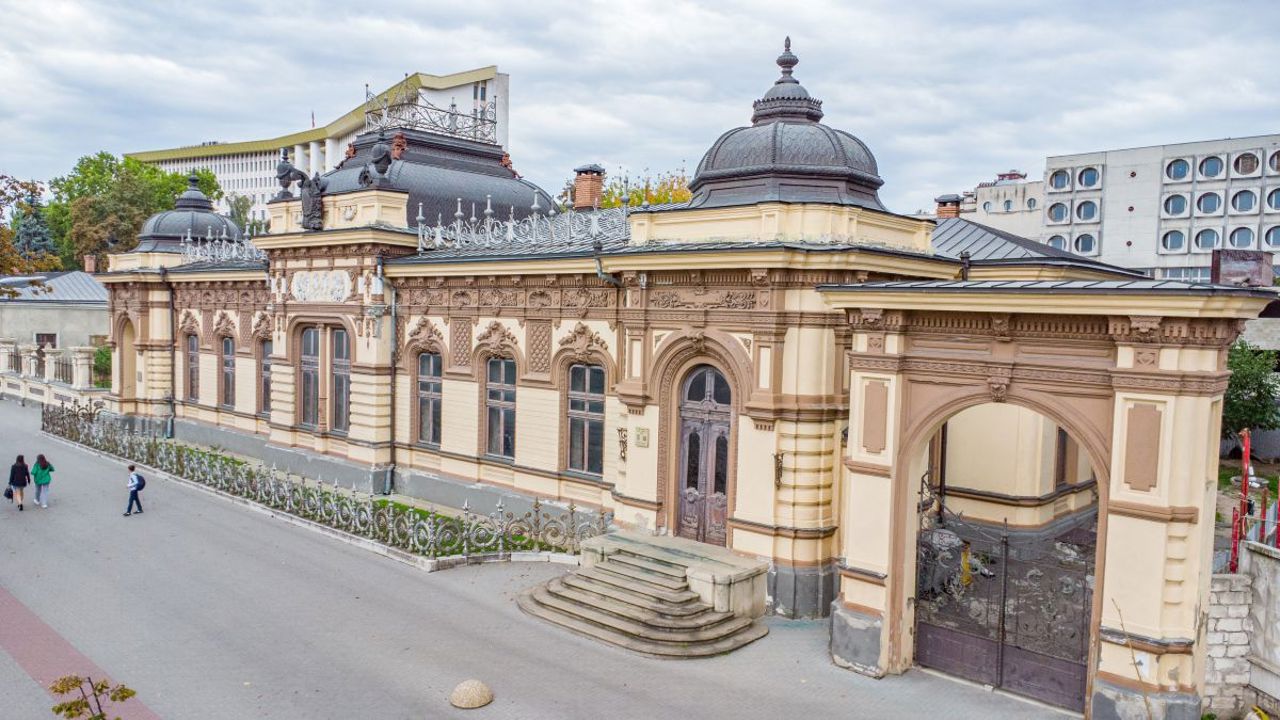
French President Emmanuel Macron announced on Wednesday, August 27, that France is ready to help rehabilitate two historic buildings in Chișinău—Herța Villa and Kligman Villa.
“We will also continue our activities to preserve Moldovan heritage within a joint project to restore two iconic architectural buildings in the capital: Herţa and Kligman Villas. I know, my dear Maia, that you are very attached to these, and these projects will contribute to preserving cultural heritage and reinforcing its place in Europe’s history,” the French leader said at a press conference on Moldova’s Independence Day, alongside President Maia Sandu, Polish Prime Minister Donald Tusk, and German Chancellor Friedrich Merz.
Mr. Macron also emphasised that France will continue to support education and culture in the Republic of Moldova.
“France will also continue to strengthen its mandate in favour of education and culture in Moldova. I particularly want to mention the launch of the digital platform for the Arte channel in Moldova and Romania, the broadcasting of the RFI station, and I want to thank Moldova for officially recognising the French Baccalaureate. I also want to mention the launch, starting in 2025, of the dual law program between the State University of Moldova and Sorbonne University. This program of excellence will help train future generations of high-level legal professionals who will work in our countries and throughout Europe,” the French President declared in Chişinău.
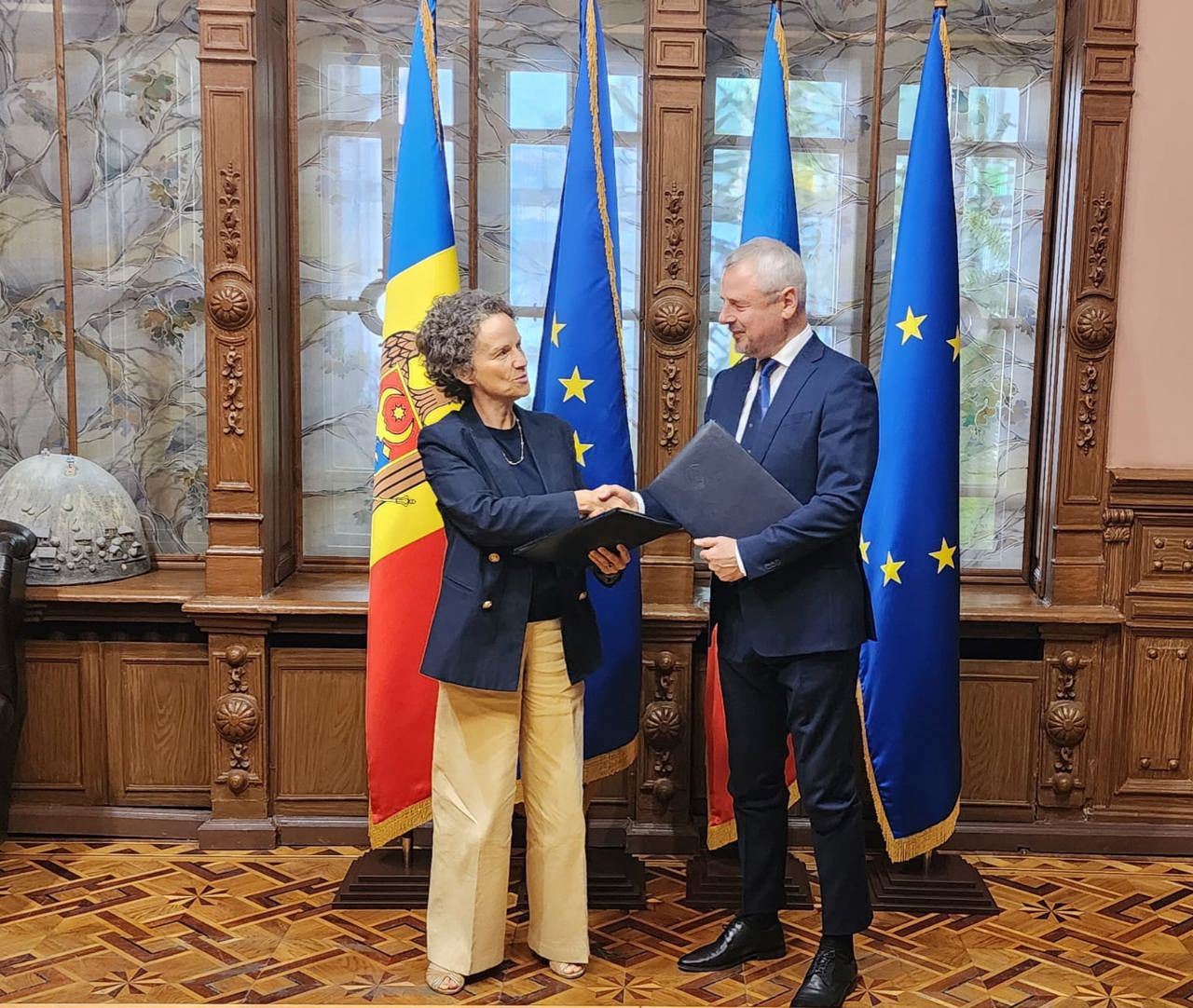
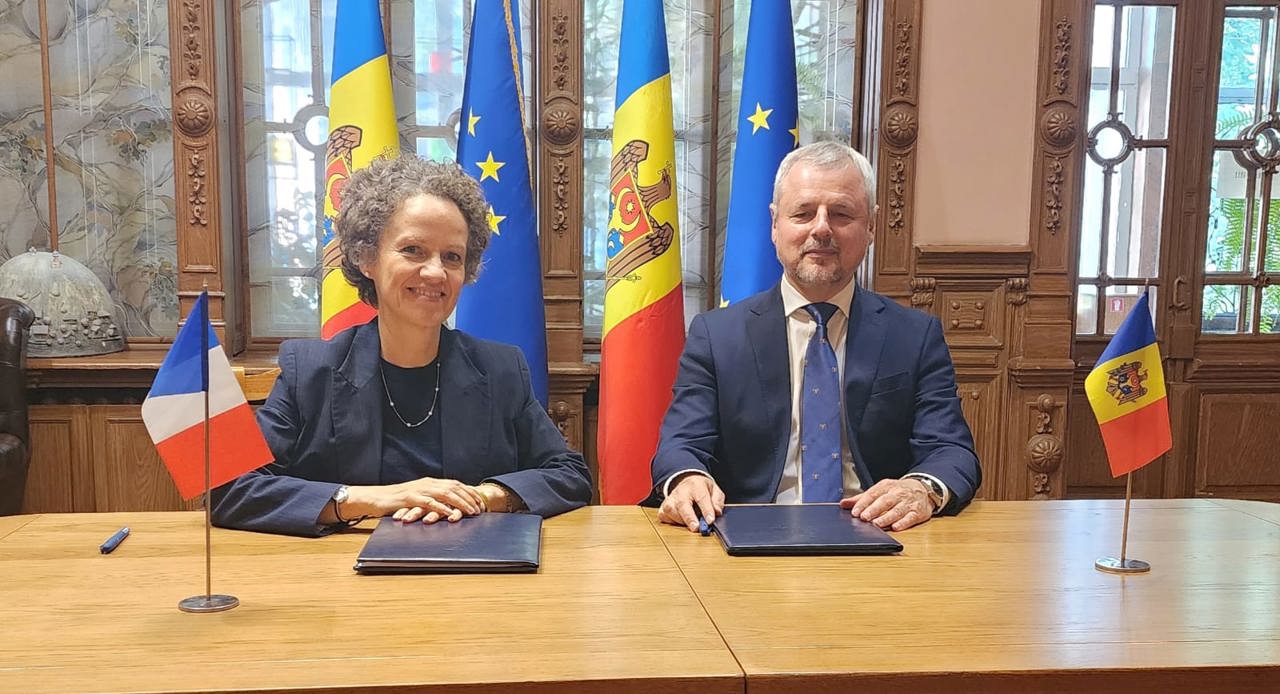
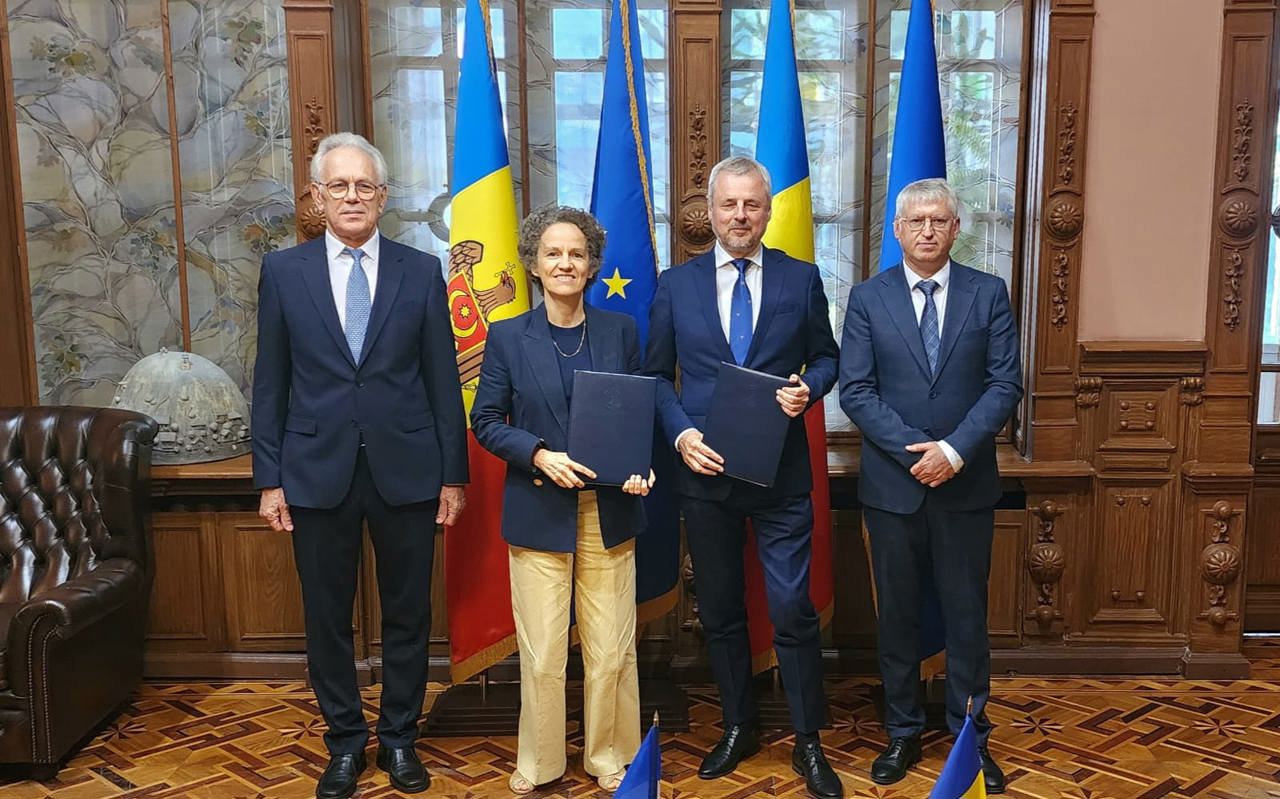
On August 24, Culture Minister Sergiu Prodan and the French Ambassador to Chişinău, Dominique Waag, signed a Memorandum of Understanding on the rehabilitation of the Herţa and Kligman heritage sites.
The document outlines a preliminary feasibility report to be prepared by French and Moldovan experts. It will include recommendations on the complex’s future use, potential funding sources, and project governance. It also provides for the creation of a bilateral steering committee to coordinate the restoration; the use of national, European, and international funding, including through the French Development Agency; and the planning of restoration work in two phases: the rehabilitation of Vladimir Herţa’s urban villa, a public property, with a partial opening to the public in 2027, and subsequently, the restoration of Moisei Kligman’s urban villa.
“This project is an important step in our cultural cooperation with France and a testament to our shared commitment to protect and revitalise Chişinău's architectural heritage. The restoration of the Herţa and Kligman villas will return two landmark buildings to the community and help integrate our heritage into the wider European cultural sphere,” said Minister Sergiu Prodan.
According to the agreement, the preliminary report will be presented to the presidents of the two states within six months, and the full feasibility study is to be finalised by the end of 2026.
Moisei Kligman’s Urban Villa
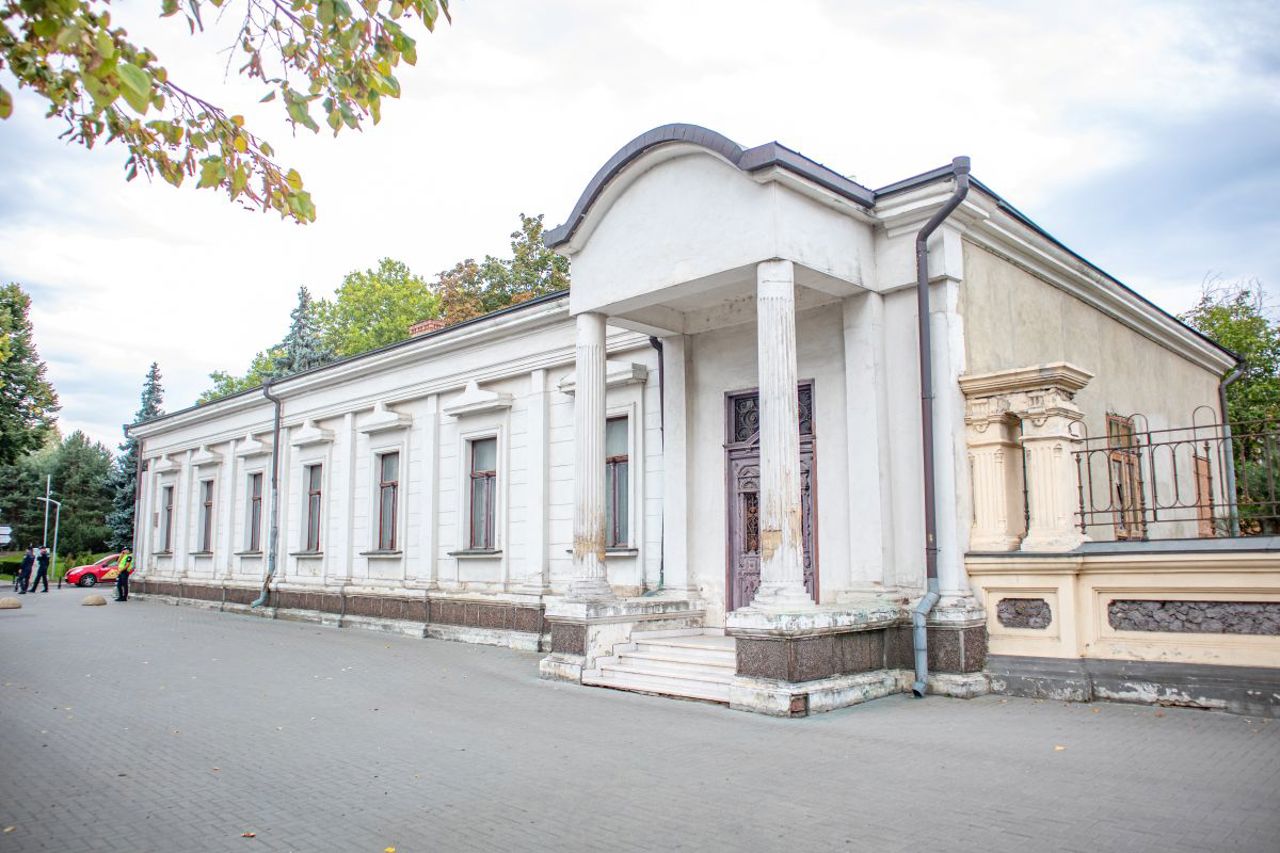
Moisei Kligman’s urban villa, located at 71 Vlaicu Pârcălab Street in Chişinău, was built in the late 19th and early 20th centuries. The owner, Moisei Kligman, was a well-known Jewish merchant and philanthropist, part of the city’s economic and commercial elite.
The building was designed as a luxury urban residence in an eclectic style with neoclassical influences, reflecting the architectural tastes of the era. Its façade, decorated with columns and ornamental details, made it an architectural landmark of Chişinău at the time.
Over time, the villa had various uses, especially administrative ones during the Soviet period.
Despite this, the villa has retained its historical and artistic value and is included on the list of protected monuments of the Republic of Moldova.
Currently, the building is under the management of the National Museum of Art of Moldova.
Vladimir Herța’s Urban Villa
The Vladimir Herţa urban villa, also known as Casa Herţa, is an architectural and historical monument of national importance. It is listed on the Register of Historical and Cultural Monuments of Chişinău and is located in the city’s Historical Centre on Ștefan cel Mare și Sfânt Avenue.
The house’s architecture is in an eclectic style, with forms inspired by Viennese Baroque.
Attempts by the communist government to demolish the building in the early 2000s were thwarted by civil society protests.
Translation by Iurie Tataru