EU pledges support for Moldovan farmers, citing strong potential
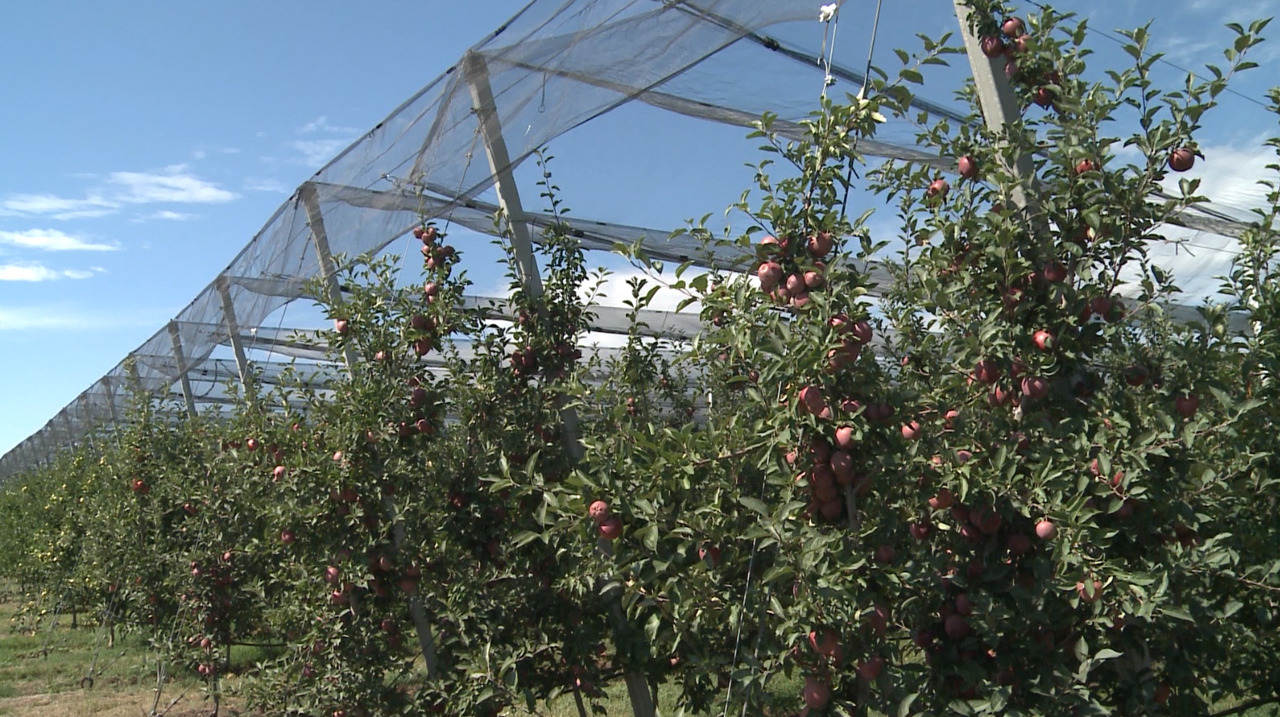
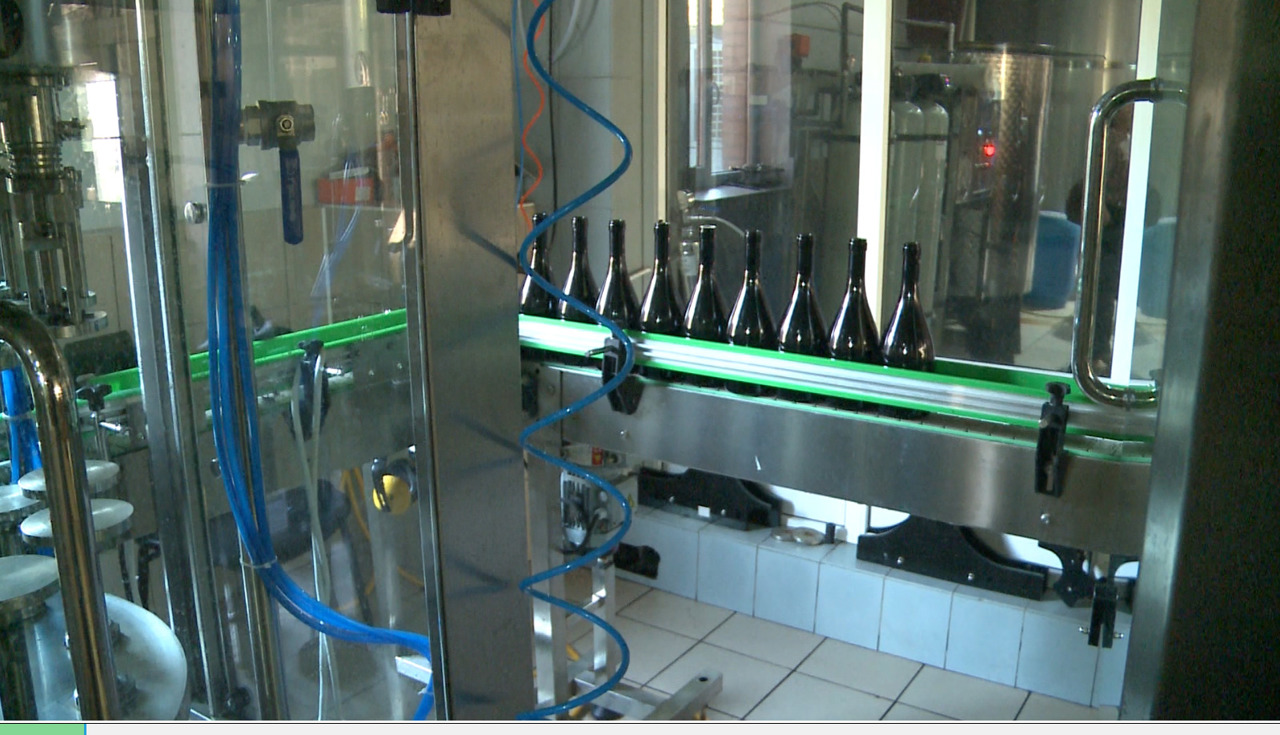
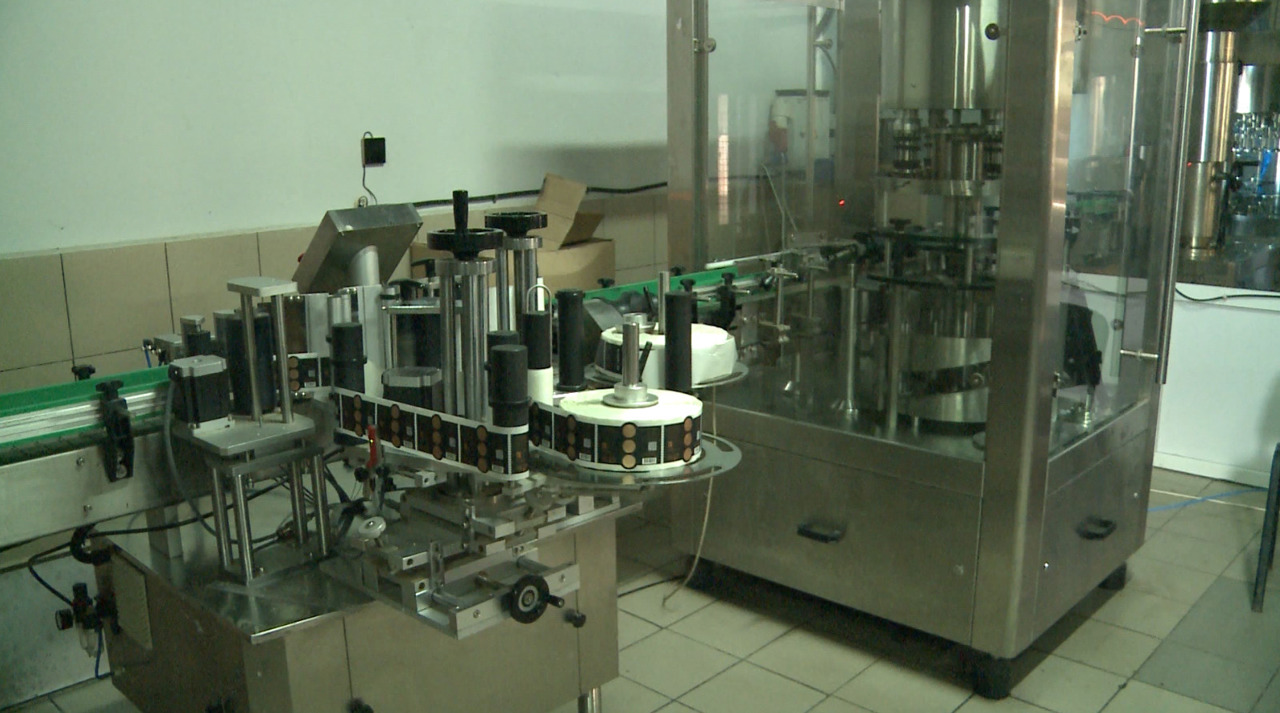
The agri-food sector in the Republic of Moldova has significant potential to offer to the European Union market, and it is crucial for it to become as competitive as possible. This perspective was expressed by Christophe Hansen, the European Commissioner for Agriculture and Food, during his official visit to Chisinau. Hansen noted that Moldovan wine and fruits are already well-known and appreciated by consumers within the EU.
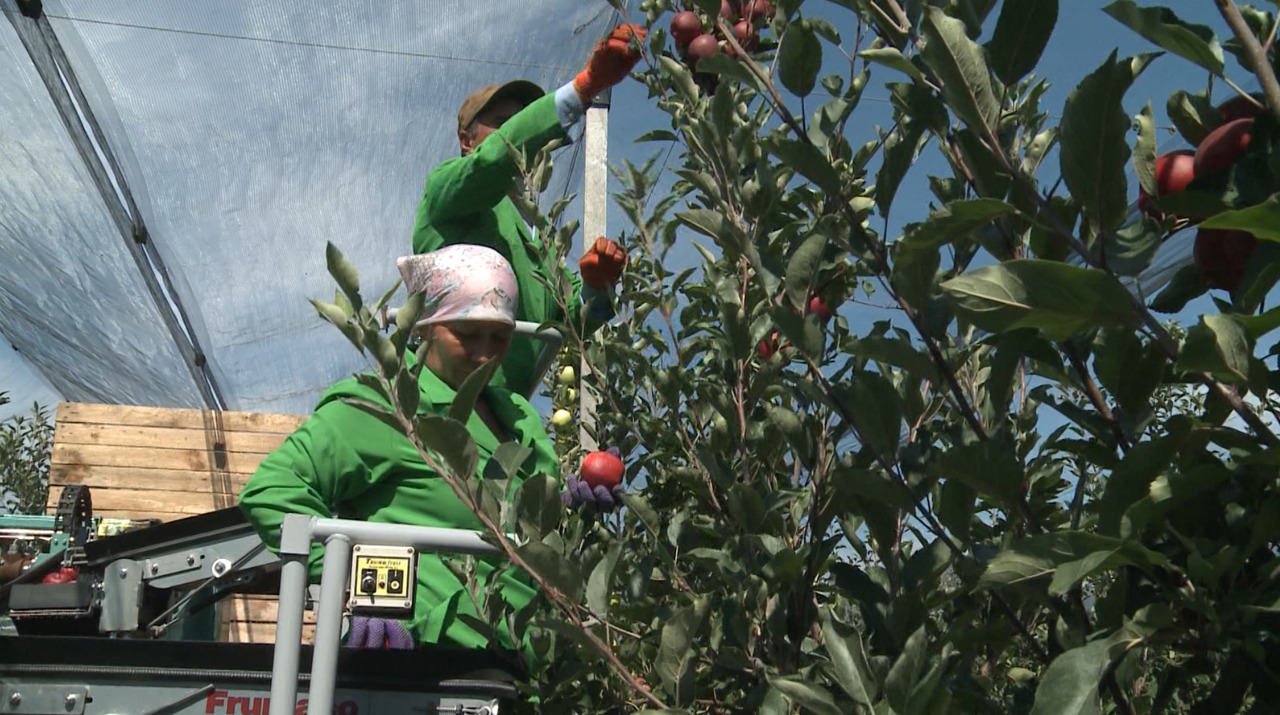
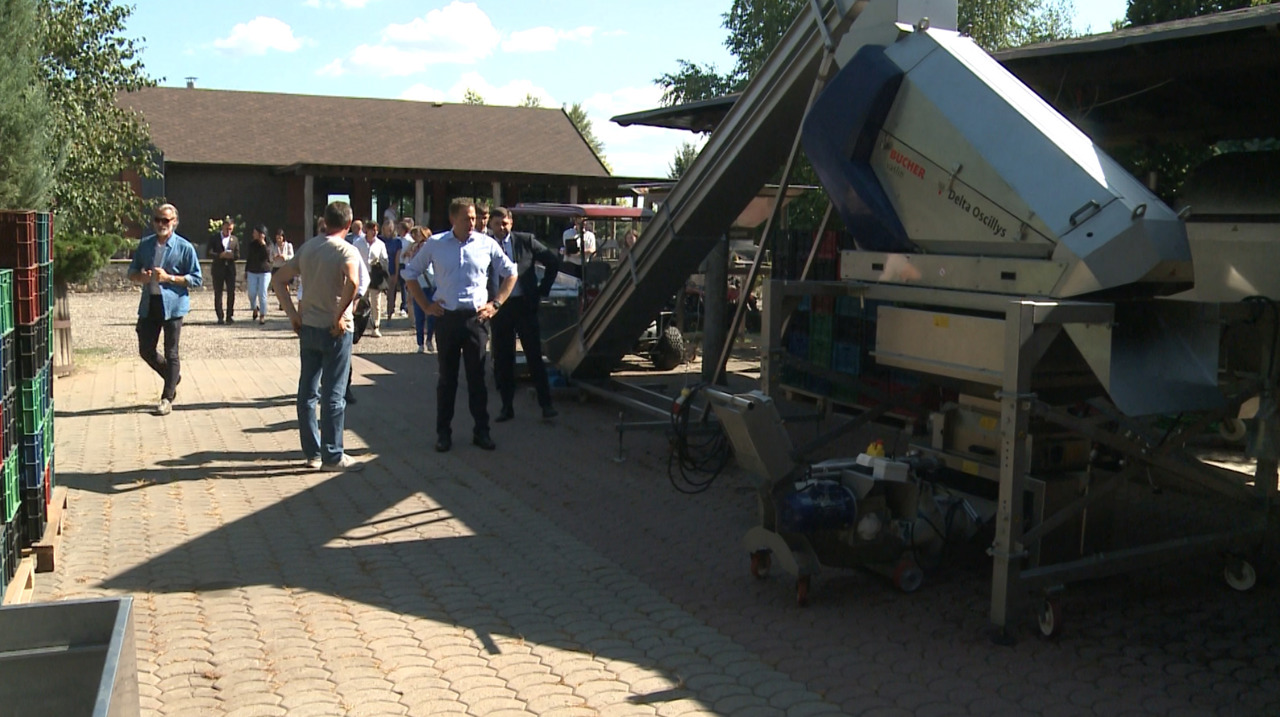
The European Commissioner for Agriculture, Christophe Hansen, visited the orchards of Ion Tulei, a farmer from Ştefan Vodă who exports apples, plums, cherries, and peaches to several countries, including Romania, Germany, the Netherlands, Italy, Belgium, Spain, and the United Arab Emirates.
"We have a refrigerator with a capacity of 4,500 tons, as well as sorting lines for cherries and apples, and packaging lines," said Ion Tulei. "Everything we have achieved was made possible through subsidies and various European and American programs. Without such support, it would be impossible to develop our operations in this country."
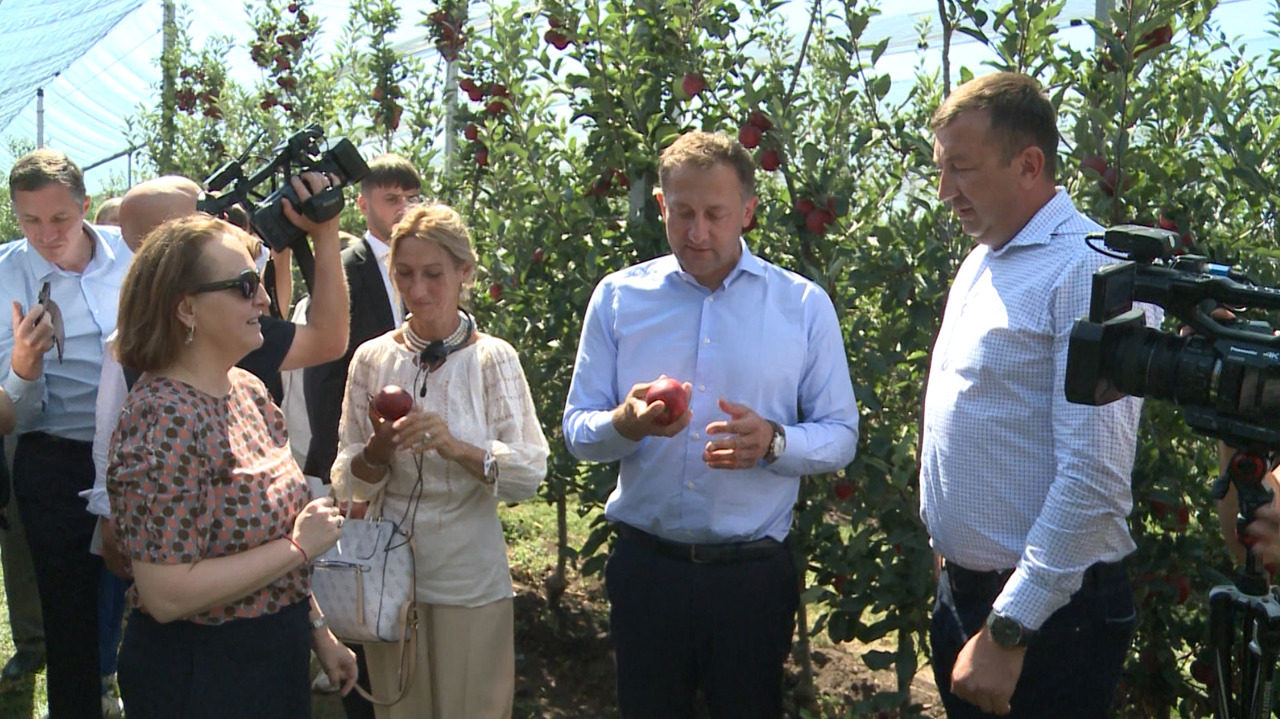
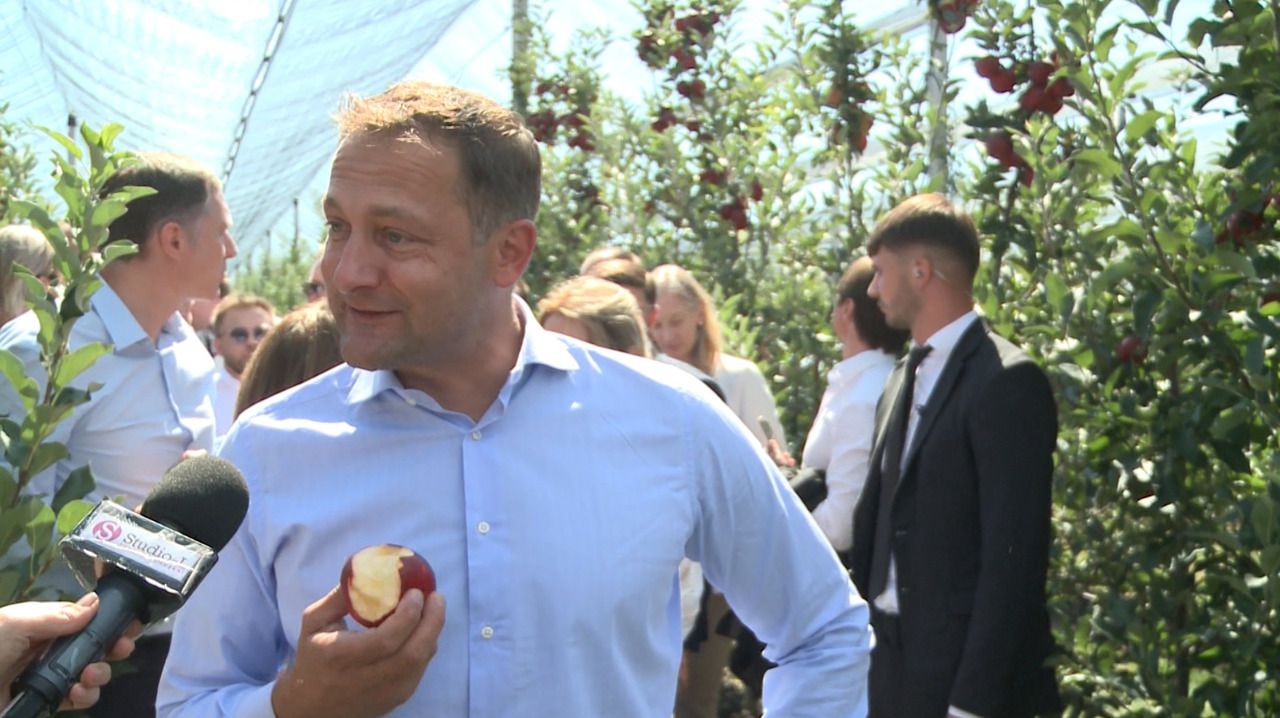
Christophe Hansen emphasized that Moldovan fruits are genuinely valued within the European Union. The European Commissioner acknowledged that the Republic of Moldova possesses significant potential. He also shared insights from his home country, Luxembourg.
“I come from a country that is even smaller than the Republic of Moldova, which was very poor after World War II. However, thanks to the European Union, it has prospered. I believe that the Republic of Moldova can also benefit greatly if it follows a similar path. It is a country where people appreciate good food; I have had the pleasure of tasting not only delicious fruits and vegetables but also pies and excellent wines,” Christophe Hansen said.
Last year, fruit exports from the Republic of Moldova to the European Union reached a record level of 280,000 tons. The top exported fruits included apples, grapes, plums, and nuts.
"We have once again confirmed that we are on the right track. We need investments to bring our production up to European standards, as we already export a significant portion of our output: 50,000 to 60,000 tons of plums and 40,000 to 50,000 tons of apples," said Vitalie Gorincioi, president of the "Moldova Fruct" Association.
The process of joining the European Union requires the agri-food sector to align with EU standards, necessitating efforts from both authorities and farmers.
"On one hand, the state establishes the necessary institutional and legislative framework to access the community market. On the other hand, our producers work diligently to meet these requirements, as the community market represents a significant opportunity for us, providing access to approximately 500 million consumers," said Ina Butucel, Deputy Secretary General at the Ministry of Agriculture and Food Industry.
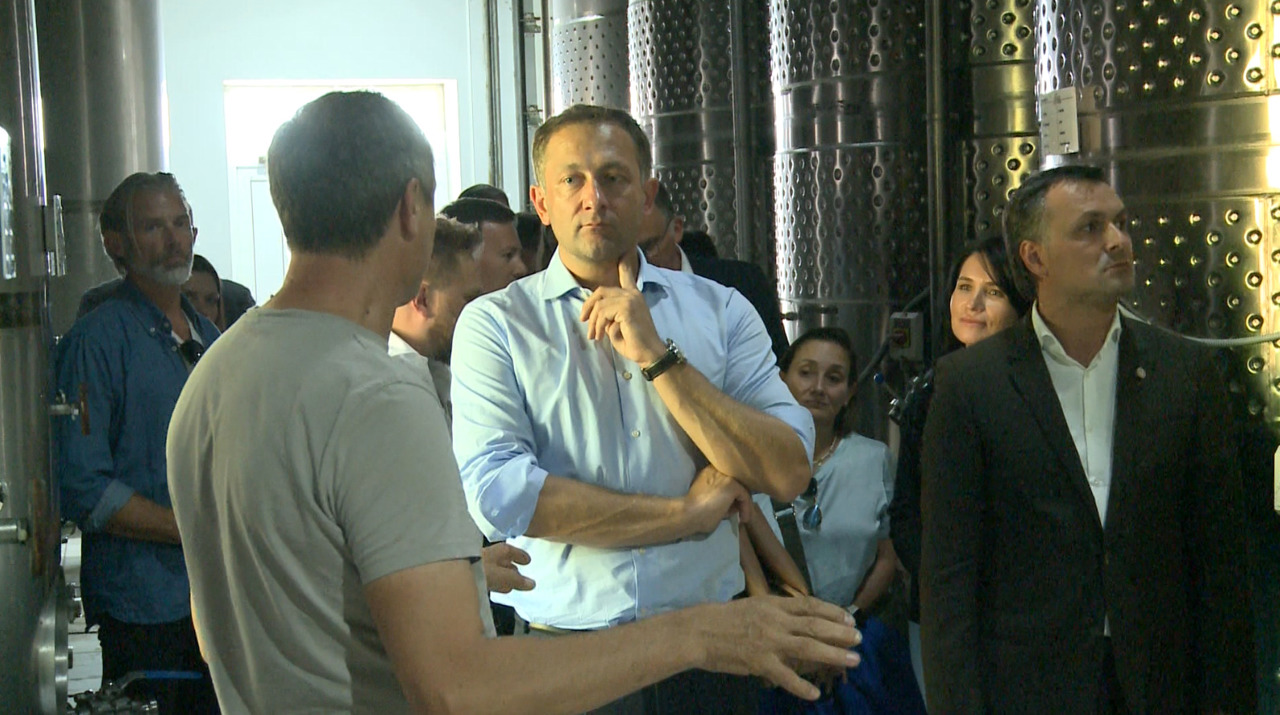
The Ministry of Agriculture and Food Industry is gearing up for a significant phase in the accession process.
From September 8 to September 18, a screening exercise will be conducted in Brussels for Chapter 11, Agriculture and Rural Development, and Chapter 12, Food Safety, Sanitary-Veterinary and Phytosanitary Policy.