Dniester River: Experts warn of ecosystem changes and stagnant water threat
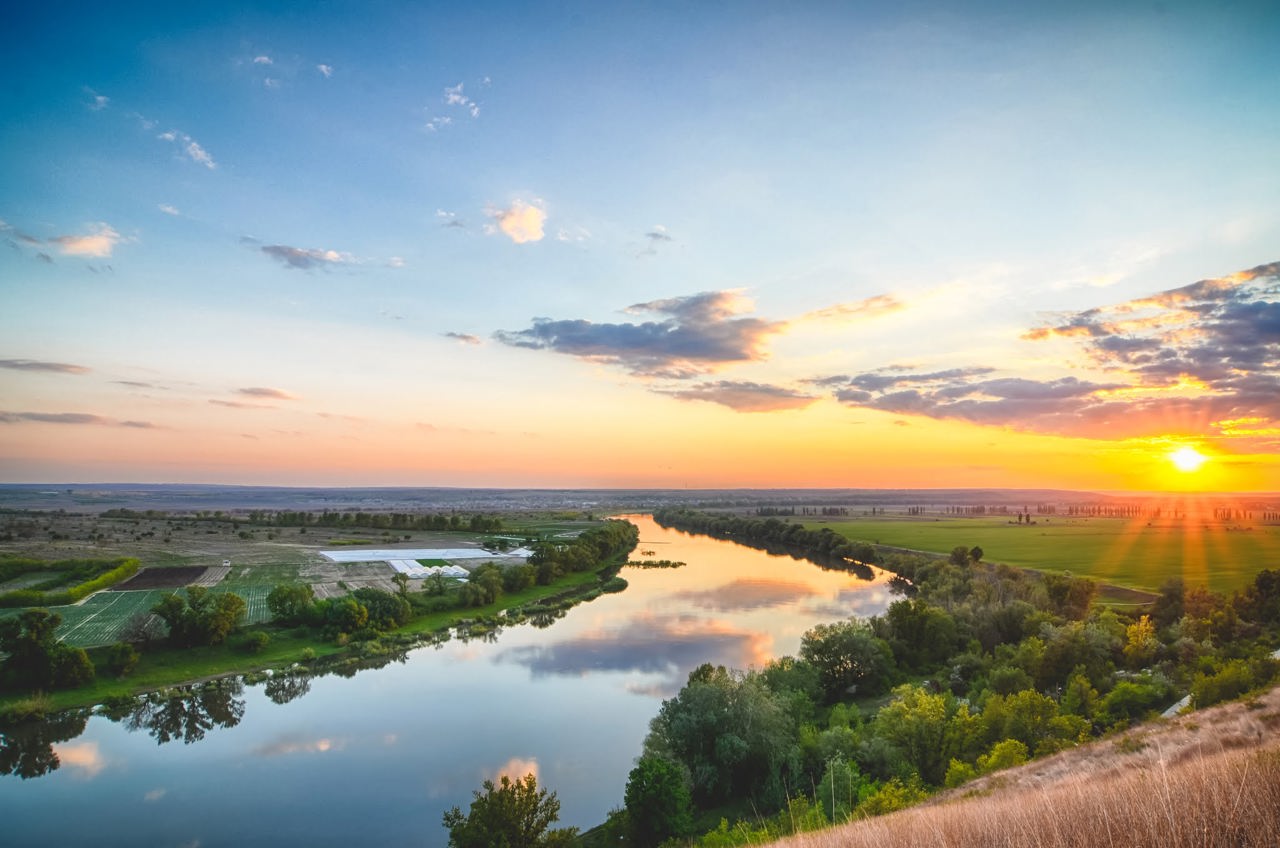
The Dniester River, a key waterway in the Republic of Moldova, is undergoing significant changes that affect its function and water quality.
Experts have warned that over 80% of the river's surface is now covered with aquatic plants. This is a phenomenon characteristic of stagnant bodies of water, not flowing rivers.
According to Elena Zubkov from the Institute of Zoology, the river’s sand and gravel are being replaced by silt. The hydrobiology and ecotoxicology expert says this indicates a significant change in the ecosystem.
"Rivers should naturally have sand and gravel," a researcher told Radio Moldova. "This year, the plants have grown very intensively. While just 15% of the water's surface was covered with plants before, that figure has now already exceeded 80%. It's typical for a pond or a stagnant water reservoir, not a flowing river. We now lack natural suspensions; the gravel that used to mix things up has disappeared."
The amount of mountain sediment brought by the Dniester from the Carpathian mountains, which served as a natural filter, has been reduced from hundreds of tonnes annually to just a few, Ms Zubkov said.
The river's thermal regime has also changed radically, affecting temperature-dependent organisms.
"If the temperature has changed, the entire hydrobiology has changed," the expert noted. "The organisms that live in the river depend on temperature. In summer, at Naslavcea, when the water level was low, the water would reach 18–22 degrees Celsius when the air temperature was 35. Now it is above 16 degrees and is not rising as it should."
The Dniester is one of Europe's ten longest rivers, supplying drinking water to approximately 8 million people in Moldova and Ukraine.
Specialists warn that restoring the river's ecosystem will require decades, and both authorities and citizens must now focus on the sustainable management and protection of this vital water source.
Translation by Iurie Tataru