Moldova elections: EU warns future depends on pro-European vote
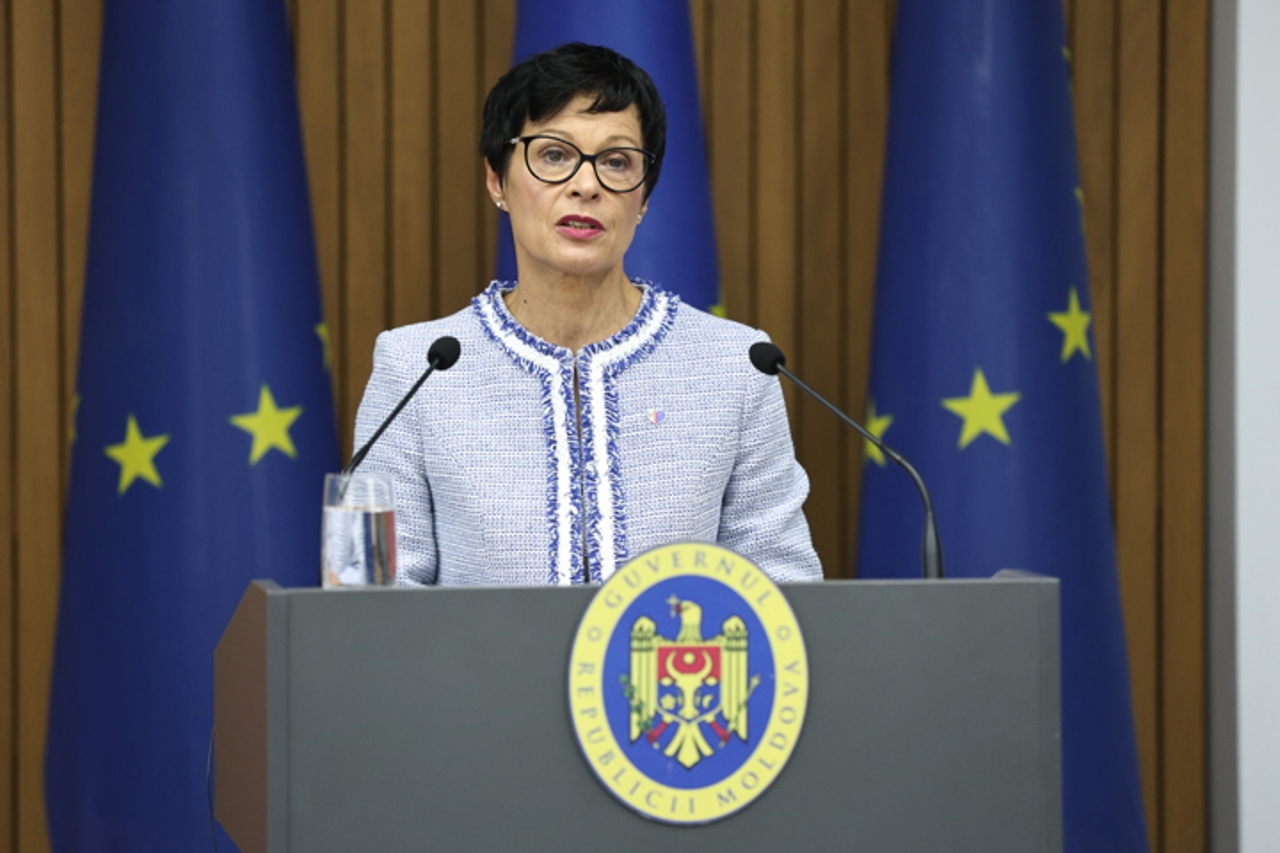
European Commissioner for Enlargement, Marta Kos, has warned that the future of Moldova's European path depends on the outcome of the country's parliamentary elections on September 28.
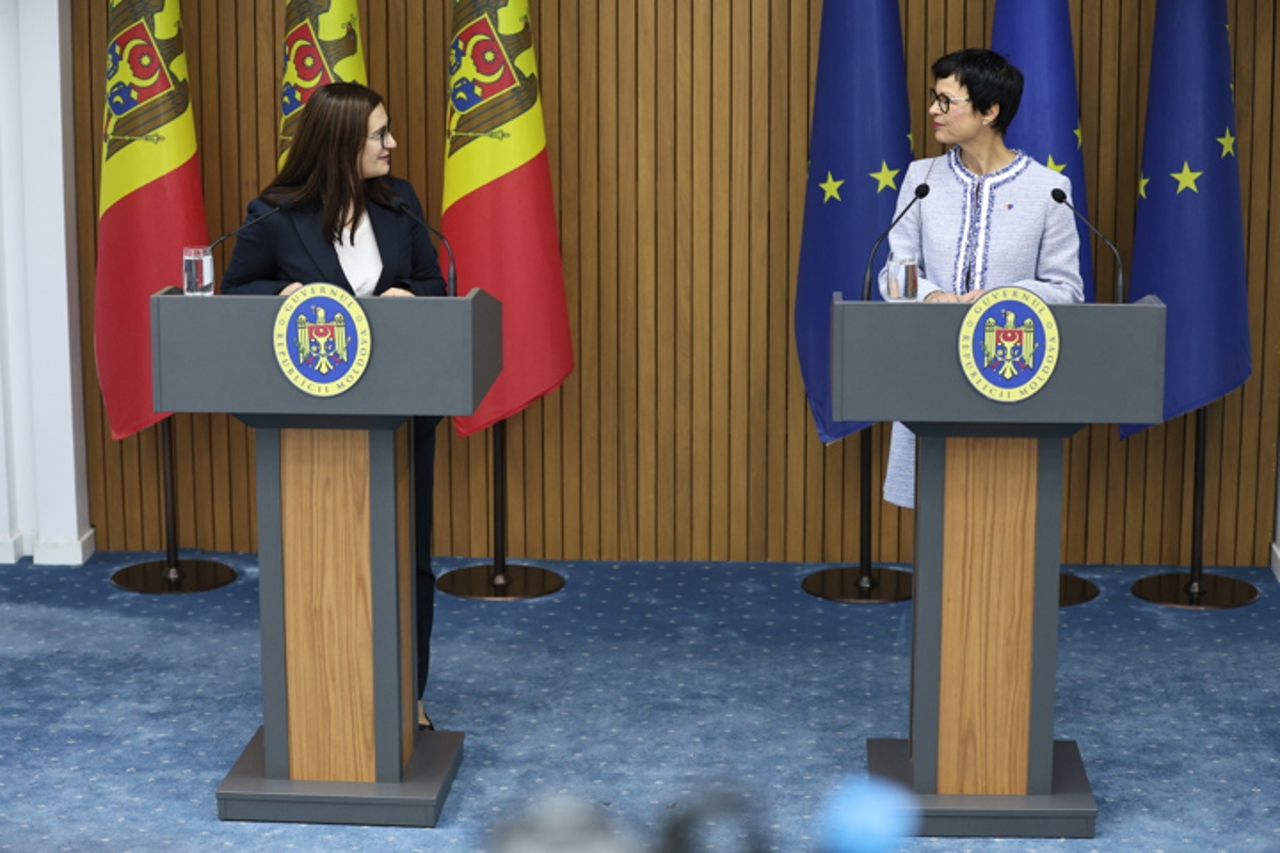
In a press conference alongside Deputy Prime Minister Cristina Gherasimov, Kos stated that Moldovan citizens hold a huge responsibility to elect pro-European forces to continue vital reforms for EU accession.
The European official said that in the last three years, Moldova has implemented more reforms than in the previous three decades, "advancing ten times faster." She added that concluding accession negotiations by 2028 is possible if the authorities maintain the current pace and if citizens provide political support to pro-European forces.
"Moldova has done its homework exceptionally well to open Cluster 1 ('Fundamental Values') as soon as the screening process is finalized," Ms Kos said. "It is a merit-based principle that we always follow and respect in the accession process. The European Commission's view is that Moldova has done everything in its power to open Cluster 1 as soon as possible."
Ms Kos addressed Russian interference, stating that the best response is for pro-European parties to win the election. "Russian interference is enormous," she said. "We are helping a candidate country to find the best narratives and identify the biggest lies Russia is spreading."
She added that the contest is a "competition of two systems," with the European Union representing democracy, rule of law, and human rights, and the other side being an autocratic system that puts opponents in prison and "is sometimes even capable of murder."
"Europe wants to see a strong and economically independent Moldova that upholds the rule of law," she added.
"Europe supports us, but the country's transformation depends on us."
Deputy Prime Minister Cristina Gherasimov stated that Moldova is advancing "rapidly and responsibly" on the path to EU accession. She noted that beyond fundamental reforms, the government is accelerating practical integration, including SEPA euro payments from October and "roaming like at home" in the EU from January 2026.
"Her presence in Chișinău is not just a gesture of friendship with our people, but a strong signal of support for our European journey," Ms Gherasimov said of the commissioner. "The accession process is not merely a matter of technical or legislative reforms; it is, above all, a process of deep transformation of our state, economy, and society."
Since obtaining candidate status in 2022, Moldova has shown its determination to advance quickly, she said. The country implemented the European Commission's nine recommendations in 2023, adopted the negotiation framework in 2024, and the National Accession Programme in May of this year.
Ms Gherasimov said the reform agenda would be supported by €1.9 billion to be invested in the Moldovan economy over the next three years.
"Financial assistance, technical expertise, and political support are unprecedented," she said. "But our responsibility is to continue the reforms and demonstrate that Moldova is ready for accession. Moldova remains firmly committed to the European path, with a single strategic destination—full accession to the European Union."
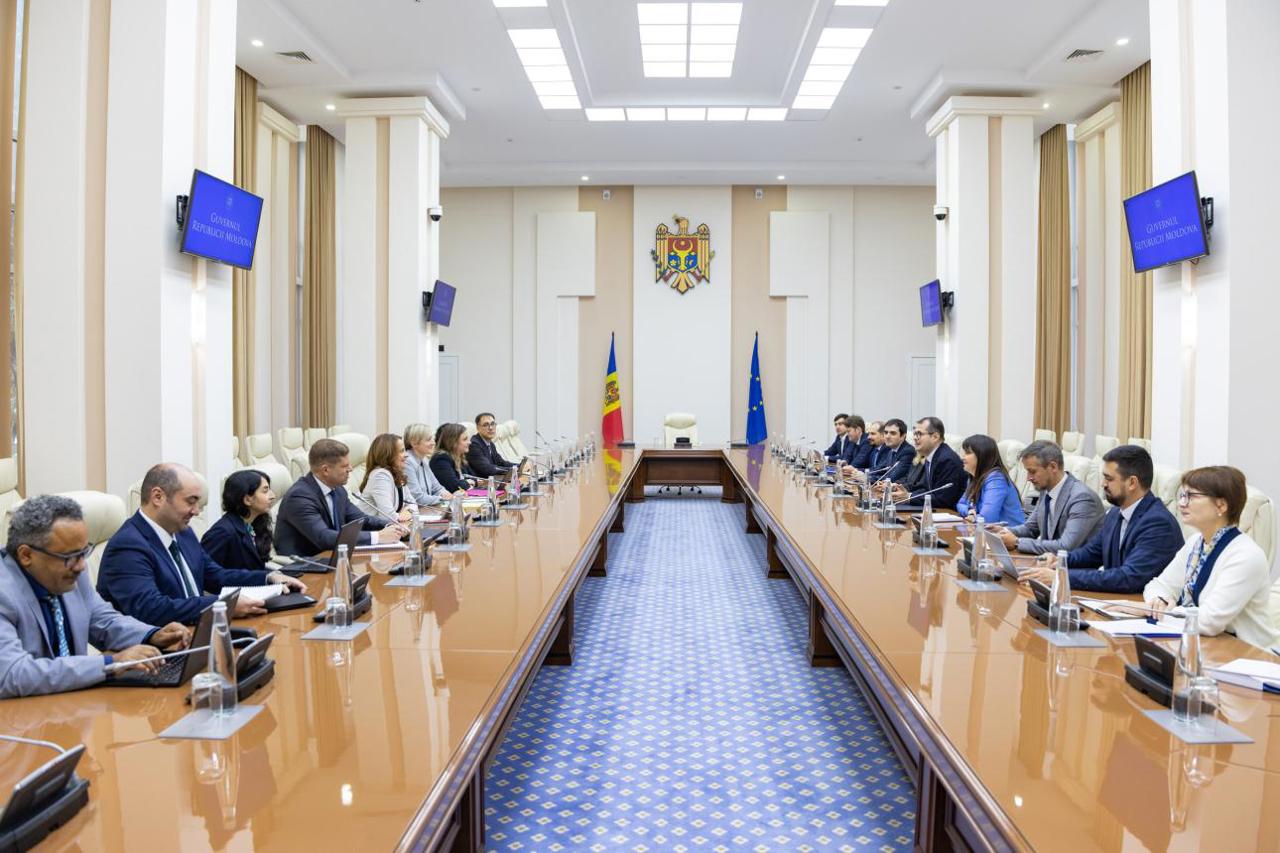
Ms Kos is on a two-day visit to Moldova to discuss the country's European path and reforms with government and business leaders.
Translation by Iurie Tataru