Moldova's EU future hinges on crucial September election
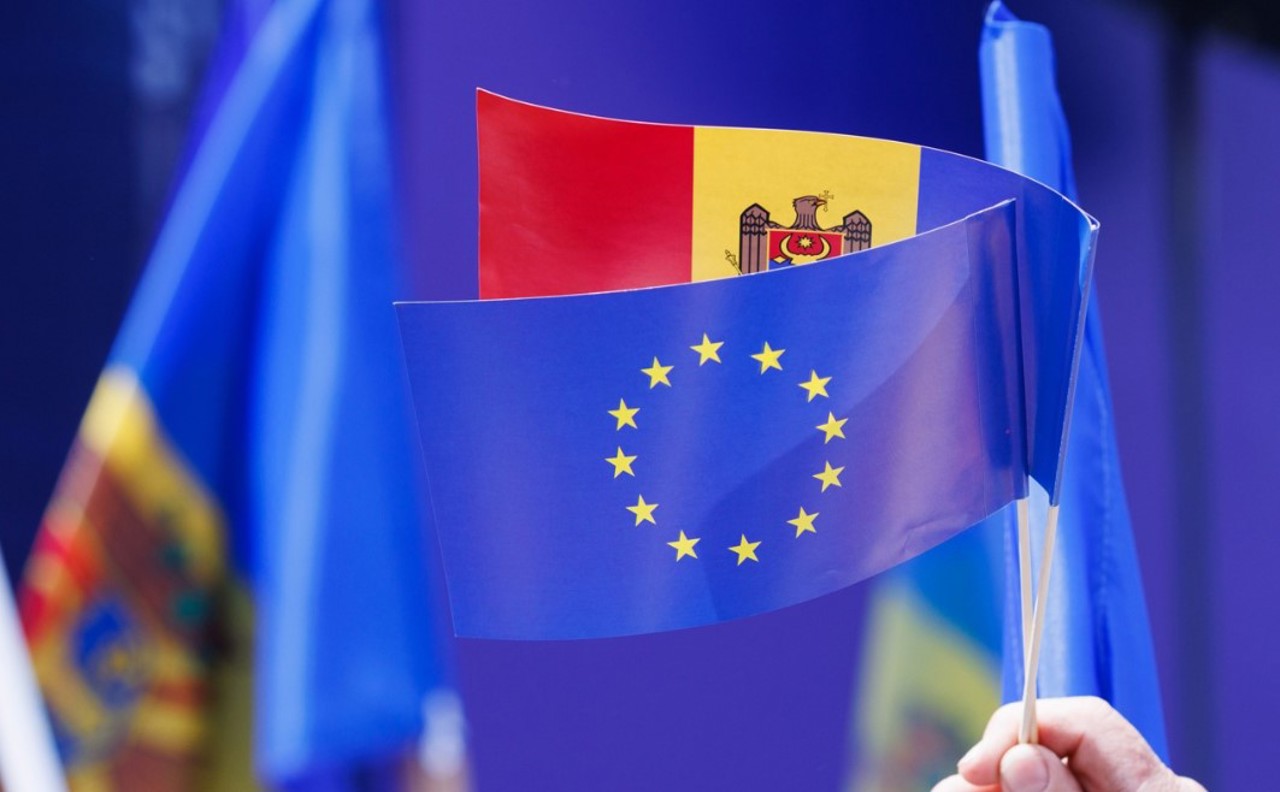
The upcoming September 28 election will determine not only the makeup of the next parliament but also Moldova's ability to capitalise on a historic opportunity: joining the European Union.
“The prospect of achieving this goal and completing EU accession negotiations on all chapters by 2028 depends on the citizens’ vote,” said Iulian Groza, director of the Institute for European Policies and Reforms (IPRE). He cautioned that the stakes of the election are directly linked to the official launch of the pre-accession process.
“Moldova is set to begin these negotiations, and the political declaration by the President of the European Council is clearly aimed at the country’s domestic political context. Political stability and adherence to the timeline are fundamental for Moldova to stay on its accession path, given the widespread support at both the EU and public levels. Once again, through its message, the EU is reiterating the importance of the electoral process,” Groza explained on the “Zi de Zi” show on Radio Moldova.
The expert stated the election results will be crucial for forming a new parliament and government capable of supporting the accession process and the ambitious timeline set by the current administration.
“We need a parliament that is fully committed to this process and capable of appointing a government that can ensure the negotiations are finalised by 2028. Therefore, the citizens’ vote will determine whether this support is reflected in the mandate given to parliamentarians who can see this vision through. If this is not achieved, the negotiation process will be more difficult,” Groza cautioned.
The IPRE Director highlighted that the commitment to finalise negotiations by 2028 is agreed at a European level, underscoring the historic opportunity for Moldova to secure a prosperous future and regional security.
“It is up to us to succeed in making the most of this historic opportunity. We must get our house in order and move as quickly as possible towards the EU. In the context of growing insecurity across the European continent, it is very important that the majority of citizens view the EU as a chance to ensure lasting peace, security, and development,” Groza added.
Another crucial aspect Groza mentioned concerns the EU’s accession and pre-accession funds. He warned that any stagnation of reforms could lead to the loss of these financial resources.
“When the Economic Growth Plan was signed—which includes over 100 commitments and priorities—we must ensure these funds are verified as efficiently as possible and protected from any attempts at fraud or misappropriation,” the expert said.
Groza also underscored the importance of cooperation between Chișinău and Brussels, and the benefits of EU membership for Moldovan citizens.
“The cooperation between the EU and Moldova is very intense, not only strategically but also operationally. By implementing various programmes and projects, we will increase our efficiency to be prepared to integrate into the EU in the next three years,” he concluded.
The European Union will officially open the pre-accession procedure for Moldova after the parliamentary elections, announced European Council President António Costa. Simultaneously, Commissioner for Enlargement Marta Kos specified that the pace of reforms and public support will be decisive for finalising the negotiations by 2028.
On September 4, the European Commission allocated an additional €18.9 million in support for Moldova, reaffirming its strong backing for the country’s reforms.
In October 2024, the European Commission proposed a Growth Plan for Moldova, worth €1.9 billion for the 2025-2027 period—the largest financial package the EU has ever offered the country.
Translation by Iurie Tataru