Moldova's agri-food sector sees significant growth with modernised farms
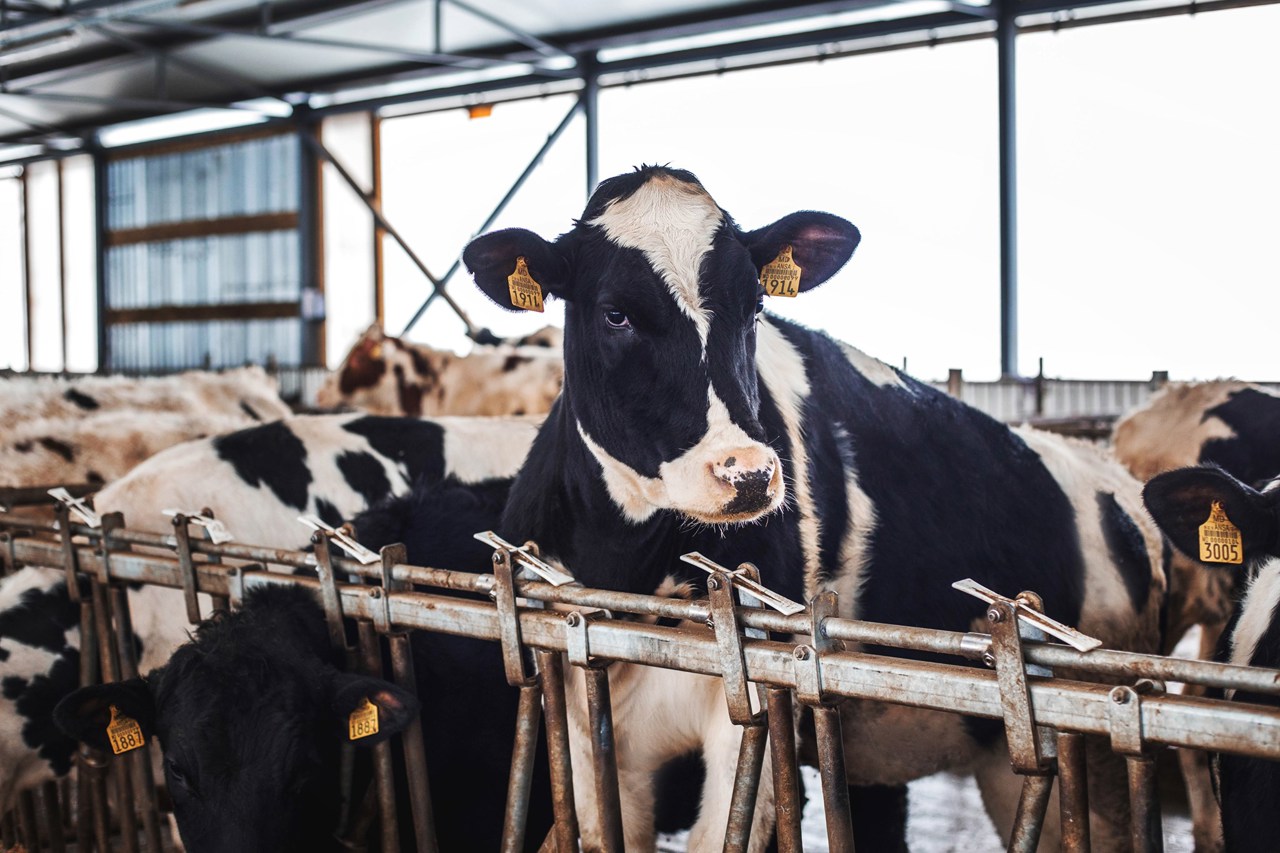
Moldova’s livestock sector is expanding, thanks to projects funded by the European Union and other external partners.
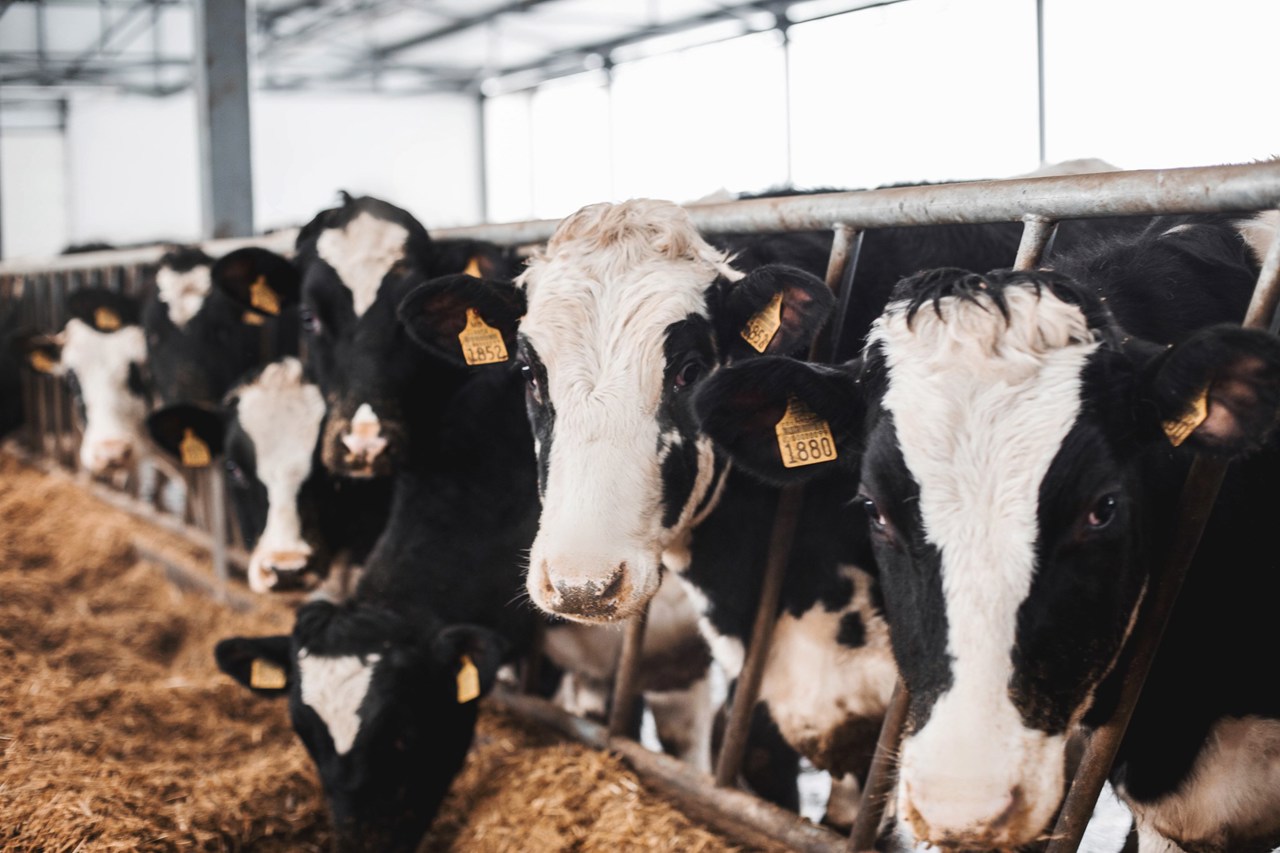
One modern, high-tech farm in the village of Horești, Ialoveni, houses more than a thousand cows and is a prime example of this growth. The farm's owners plan to invest a further two million dollars, half of which is a non-reimbursable grant from the World Bank's AGGRI Project.
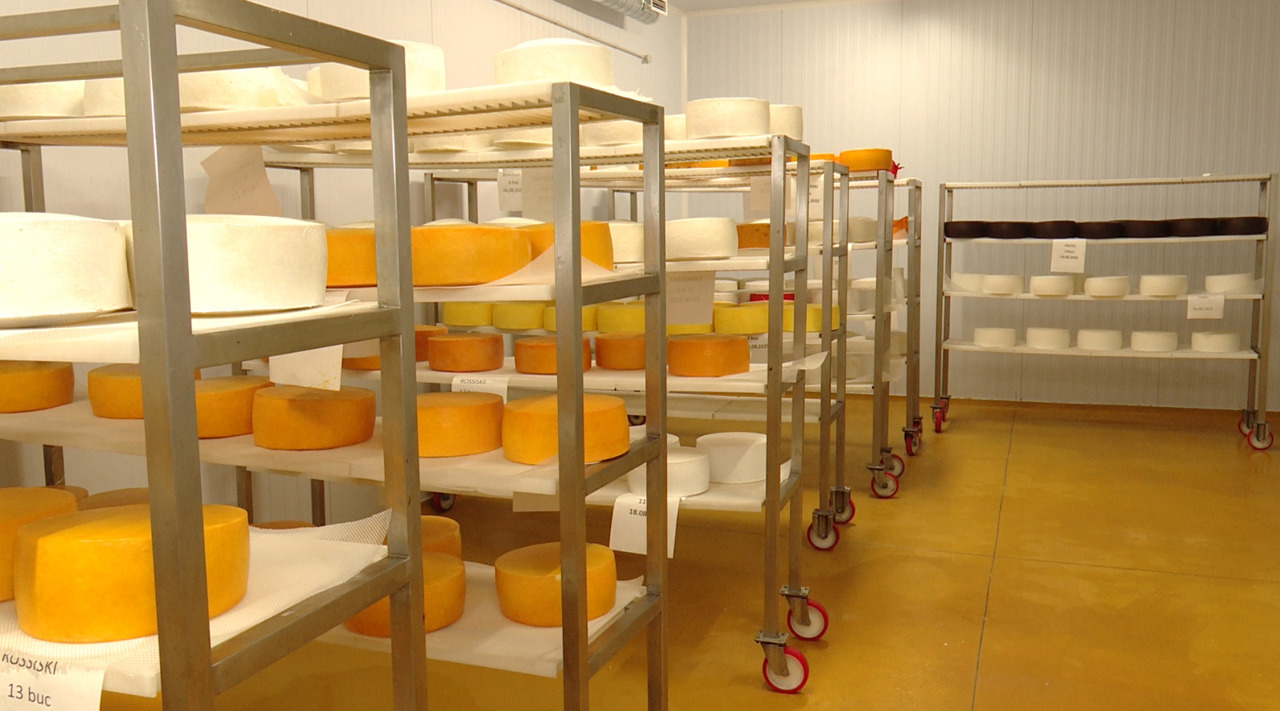
The business began with 200 cattle in 2019. Now the barns hold five times that number of animals, some imported from the Netherlands, Germany and Hungary. Every day, ten tonnes of milk are delivered to the processing plant, where they produce yogurts, kefirs, and cheeses. The farm’s special product is buffalo cheese.
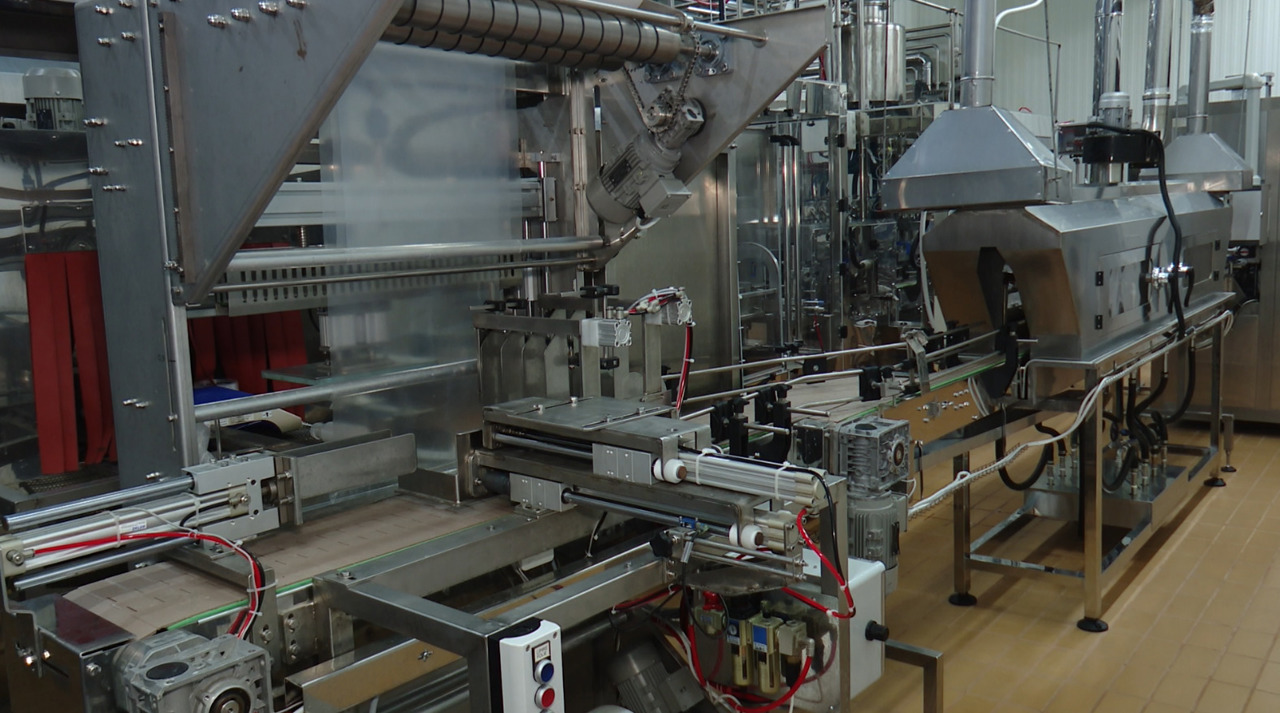
"Buffalo milk is richer, with a fat content of 8%, compared to cow's milk which has up to 4%. The cheese has a more distinctive, intense flavour. It's a cheese for platters and special events," says quality manager Dorina Romanescu.
The entrepreneurs have invested heavily to bring their products in line with EU standards. The farm and its processing plant in the Moldovan capital, Chișinău, can easily compete with those in France, Italy and Germany.
"Last year we imported 300 heifers for the project. We also modernised two halls and the milking parlour. We also got a zero-VAT quota from the 'Moldova's Orchard' project," says farm administrator Ion Popescu.
The European Commissioner for Agriculture says Moldova’s agri-food sector has great potential, with the country alreadyexporting fruits, vegetables, poultry and eggs.
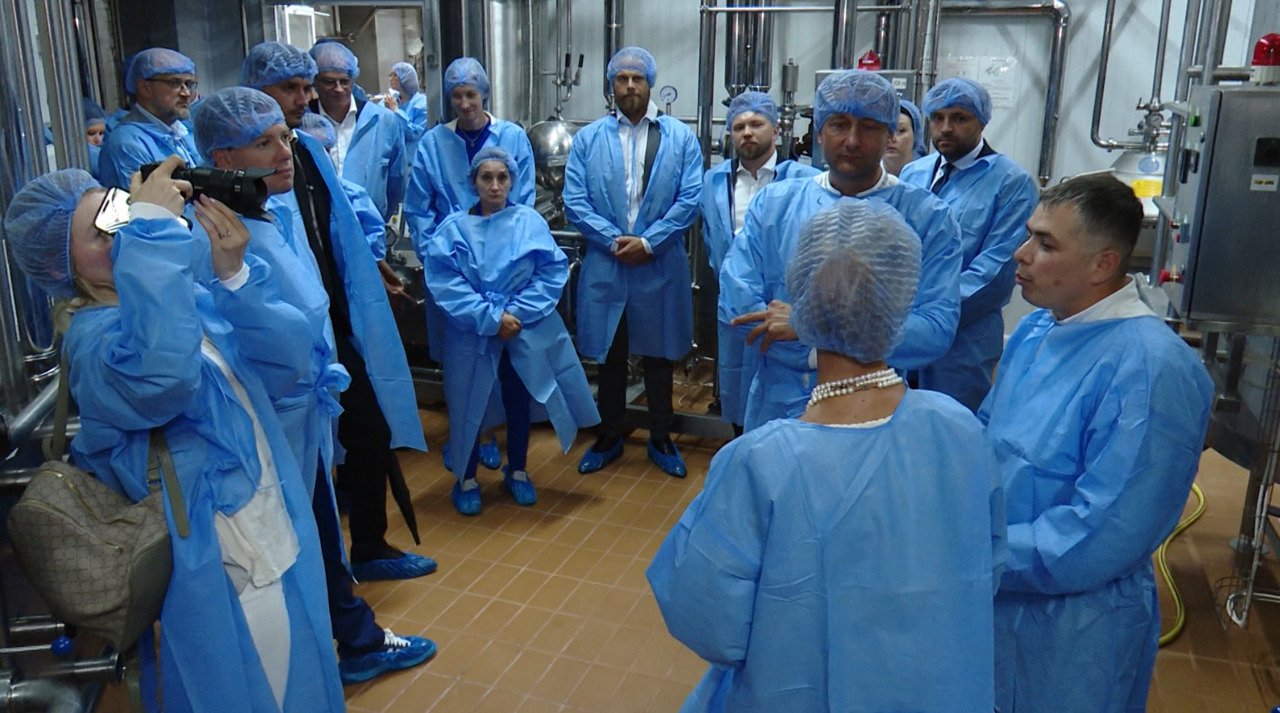
"I believe our markets - the Republic of Moldova and the EU - are very interconnected. We in the EU are also dependent on imports," says Christophe Hansen.
Last year, milk production in agricultural enterprises across Moldova increased significantly to more than 50,000 tonnes—10,000 more than the previous year.
Translation by Iurie Tataru