Espionage and corruption infiltrate Moldova; elections seen as key to blocking Russia’s plans
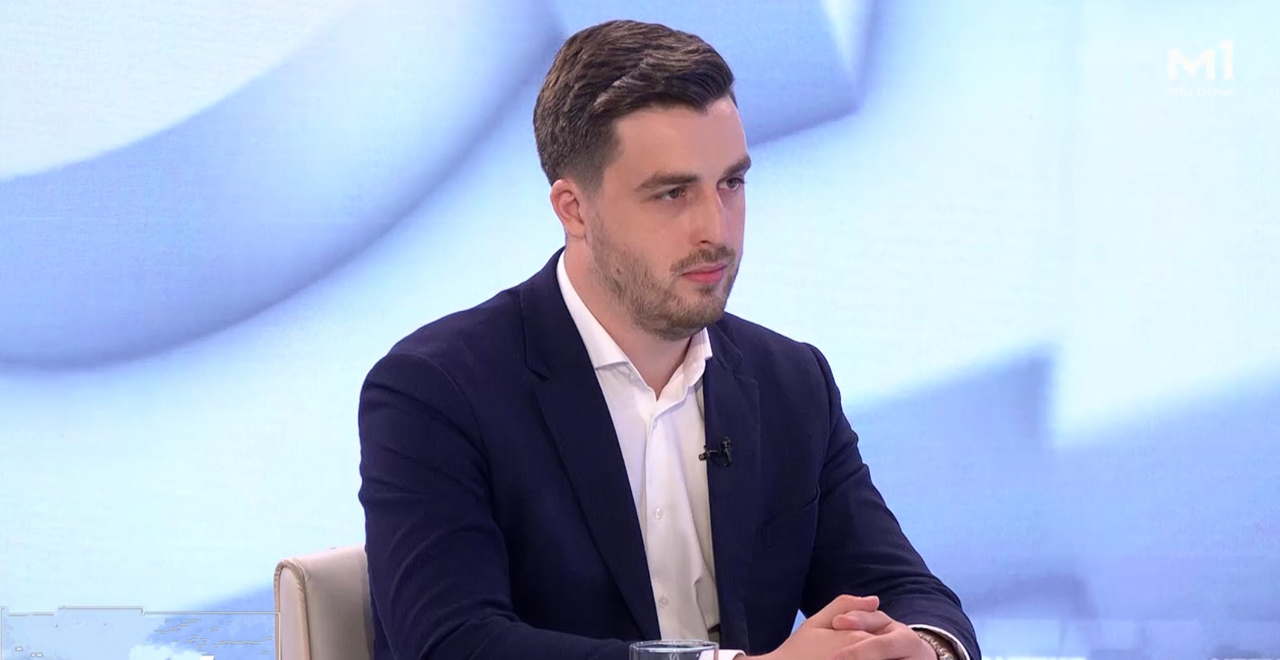
The Republic of Moldova is at the forefront of confronting the hybrid influence of the Russian Federation. The elections on September 28 represent not only a test of internal democracy but also a security challenge for the entire region. Political analyst Laurențiu Pleșca said in a special edition of Moldova 1 TV that Moscow has refined its destabilization tactics, employing electoral corruption, disinformation, and the infiltration of institutions as strategic tools against European Union (EU) states.
Laurențiu Pleșca believes that the Republic of Moldova has the potential to "create problems" for Russia, despite being a small state, by succeeding in breaking away from Moscow's sphere of influence. As a result, the Kremlin is concentrating "enormous resources" to undermine the Republic of Moldova in its pursuit of "European Union and European values, democratic values," which are aspirations of the Moldovan state. According to the expert, Moscow is employing not only external pressure but also instruments that are infiltrating the state, such as corruption, espionage, and electoral manipulation.
"This is manifested, of course, through the primary action it takes: electoral corruption—an alarming development for Europeans as well. I would like to highlight that Maia Sandu has illustrated how the actions of the Russian Federation resemble a virus that infiltrates the democratic fabric of the Republic of Moldova, leading to anomalies that undermine the democratic system," the political analyst stated in an interview with Moldova 1.
Regarding the recent arrests of officials accused of treason, Pleșca cautioned that espionage and corruption "have penetrated many institutions in the Republic of Moldova, which have not yet been thoroughly reformed." He emphasized the need for a deep reform of key institutions, such as the Intelligence and Security Service, Parliament, and the General Staff, which are intended to protect the state.
The cited source noted that Moscow has escalated its hybrid attacks, and the European Union must recognize that the issue extends beyond just the Republic of Moldova; it involves broader internal security concerns. In the political analyst's view, the parliamentary elections scheduled for September 28 will be a critical stage in this context.
"The Russian Federation has improved its methods of attacking the security of the Republic of Moldova, and these actions, of course, impact the European Union. I believe that these elections represent another opportunity for the Republic of Moldova to thwart the plans of the Russian Federation and further distance itself from its toxic influence," he pointed out.
The expert emphasized that the process of integration into the EU is no longer merely a technical matter; it has become an act of geopolitical defense, especially given that Moscow's actions are becoming more intense and aggressive.
"It has been a serious mechanism whereby the Republic of Moldova has served as a strategic pawn in Eastern Europe to threaten European security. I believe that the country's president effectively conveyed the importance of these elections to EU states through her speech in the European Parliament. While the Russian Federation is not currently acting militarily in the Republic of Moldova, it is using increasingly harsh and violent means. We must remain vigilant in the lead-up to the elections as these dangerous tactics may escalate. The EU should counter this through sanctions and develop a comprehensive strategy to address malign influence using new technological tools," the political analyst said.
Pleșca also noted that hybrid attacks do not only target the pre-election period, making it essential for the state to stay alert. "A security test will occur on September 28, requiring the involvement of all public institutions. Influence on electoral processes doesn't happen on voting day; it typically begins months in advance. Therefore, we should anticipate a significant test of democracy," the expert concluded.
In her speech to the European Parliament, President Maia Sandu stated that the Republic of Moldova is facing "a hybrid war without limits," which has reached a scale unprecedented before, comparable to the full-scale invasion of Ukraine. She emphasized that the Russian Federation aims to "capture" our nation by manipulating election results, intending to use us against Ukraine. Therefore, the parliamentary elections on September 28 will significantly impact not only the future of our country but also "regional security and stability."