How to manage allergies: Top tips from an expert
Dr Victoria Brocovschi, an allergist, has outlined the challenges of seasonal, chronic, and food allergies during an appearance on the show 'Bună Dimineața' on Moldova 1. She offered practical advice on recognising symptoms, preventing complications, and acting correctly in emergencies.
Allergies can be prevented by avoiding areas where allergy-inducing plants grow or by removing foods containing allergens to which a person is sensitive. In more severe cases, patients are aware of the risk of allergic reactions and carry an autoinjector for emergency intervention.
The doctor said that many allergies are chronic because they last for long periods.
"Avoiding exposure to allergens that trigger symptoms is an important step. Another is to exclude those allergens from our lives that can be, such as mould and animals. Pollen, however, cannot be," the specialist explained.
She said plants like ragweed and wormwood cause most respiratory problems and that their eradication should be a priority.
"The methods of control are either to eradicate those plants from possible areas or to get the necessary treatment every year. It is one of the mandatory steps, whether we like it or not," Victoria Brocovschi emphasised.
Regarding ragweed, the specialist pointed out that its symptoms can be confused with a cold.
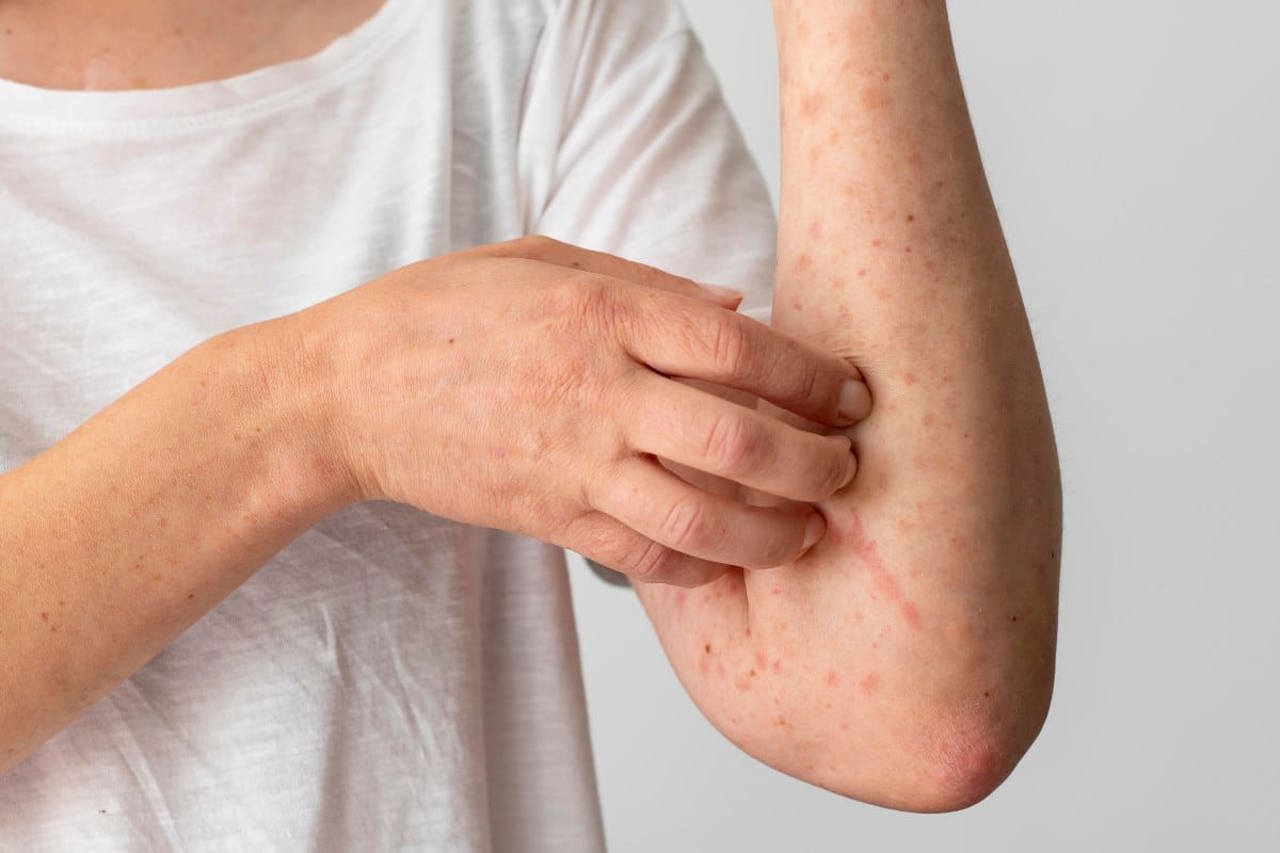
"Respiratory symptoms are the most common in pollen allergies. These often involve the nose, with a runny nose, frequent sneezing, and itchy and red eyes. Watery nasal discharge may also occur. Over time, a cough or a feeling of breathing difficulty can also appear - most frequently related to ragweed. But if we touch ragweed or other plants with allergenic content, red, itchy spots or swelling might appear on the skin where those plants were touched," the allergist said.
What to do in an emergency
While mild symptoms can often be relieved with a simple antihistamine, many cases require medical care.
"Many symptoms require medications that a doctor knows how to choose based on the severity of the problem and its clinical manifestation—respiratory, cutaneous or digestive," Victoria Brocovschi explained.
The most alarming signs are respiratory: difficulty breathing, a feeling of not getting enough air, wheezing, or a persistent cough.
"When dizziness or a feeling of losing consciousness appears, we can suspect anaphylaxis. In such cases, calling an ambulance is mandatory," the allergist warned.
Food allergies and anaphylaxis
Food allergies can cause hives, swelling of the lips or eyelids, and, in rare cases, severe reactions.
"Food allergens can also induce anaphylaxis, with respiratory and cardiovascular problems. This is a rare situation, however - affecting about 1% of adults and 6-8% of children," Brocovschi said.
For people who have experienced anaphylactic shock, the treatment is an emergency.
"Patients receive an action plan and the recommendation to use an epinephrine autoinjector, which they always carry. We teach them to recognise severe symptoms themselves to know when to administer the medication," the doctor specified.
The specialist also listed food allergens, noting that the list of products that cause 90% of cases includes milk, eggs, fish, crustaceans, molluscs, gluten, sesame, mustard, nuts, and peanuts.
In serious situations, the first step is to call an ambulance. Until the emergency team arrives, the affected person should be laid on a horizontal surface with their legs elevated.
"In mild cases - red spots on the skin, hives, sneezing - symptoms can be managed more simply, as they are not life-threatening," the specialist concluded.
How to protect yourself from seasonal allergies
The doctor recommended avoiding areas with high concentrations of pollen, as well as a few simple hygiene rules.
"Clothes worn outside should be washed every evening. A shower and hair wash are mandatory. Sunglasses and a medical mask can help, and taking medication at the first symptoms remains essential," the doctor said.
Translation by Iurie Tataru