Moldova's parliamentary elections: Hate speech and 'fake observers' flagged in Promo-LEX report
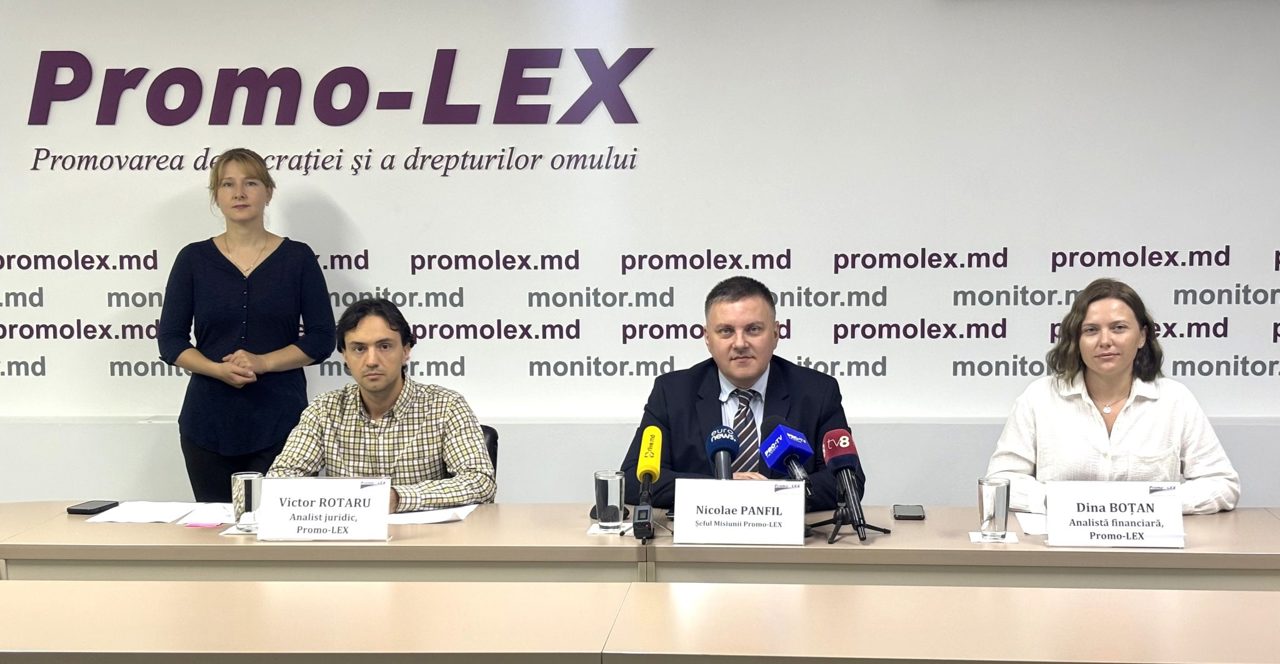
At least 78 instances of hate speech and other forms of intolerance have been reported in Moldova's parliamentary election campaign, according to a report by the non-governmental organisation Promo-LEX.
The report, which covers the period up to 10 September, found that the most common forms of hate speech targeted politicians, women, and LGBT people, based on their political affiliation, gender, and sexual orientation. The rhetoric included messages of dehumanisation, incitement to violence, and other forms of xenophobia, homophobia, and sexism.
The report also notes a more dynamic campaign compared to 2021, with 1,487 "electoral agitation activities" reported between 29 August and 10 September. This represents an increase from 1,111 in the previous election, with the most common activities being the distribution of information (71%) and public meetings (18%).
Promo-LEX observers documented over 3,200 cases of electoral advertising, including printed materials and other visibility items. The organisation raised concerns over irregularities such as the placement of materials in unauthorised locations, missing printing data, and the reuse of materials from previous campaigns. The majority of violations concerned the Patriotic Bloc, as well as the Respect Moldova Movement (MRM), the League of Cities and Communes, the ruling Party of Action and Solidarity (PAS), Alternativa, and the Coalition for Unity and Prosperity (CUB).
The organisation registered 52 instances of the abuse of administrative resources, with the majority linked to PAS. This involved the use of public officials and state institutions for campaign purposes. Additionally, two cases of potential voter bribery were reported ("Victoria" Bloc and the New Historical Option Party) and four incidents of the involvement of religious groups.
Acts of intimidation were also reported, including the illegal detention of Liberal Party candidate Vladimir Meleca in the breakaway Transnistrian region. Separately, police intervened in a conflict between veterans of the Dniester War and the Patriotic Electoral Bloc in the town of Căușeni.
Promo-LEX also monitored the involvement of "third parties." At least 13 cases were identified, including online networks linked to the Russian Federation promoting Ilan Șor and the "Victoria" Bloc. Other examples include Facebook pages and YouTube channels that spread pro-Russian or pro-EU messages, as well as civic initiatives like "EUROPA 2028."
The report notes that by 8 September, 21 out of 23 contenders had opened accounts and 19 had filed financial reports. Declared revenues totalled 28.4 million lei, coming mostly from donations by individuals (47%) and internal party transfers (37%).
The Central Electoral Commission conducted its activity transparently, but Promo-LEX warns of the risk of "fake observers" appearing. The report also highlights a concern over a four-fold reduction in ballot papers for the Transnistrian region. Observers warn this could limit voter access and lead to overcrowding.
The report also highlighted the case of the suspended Mayor of Chișinău, Ion Ceban, a candidate for a parliamentary seat. Although he announced the suspension of his activity, the CEC found the opposite and issued a warning.
Translation by Iurie Tataru