Moldova outlines 2050 energy strategy to boost renewables and integration with EU market
Moldova is set to overhaul its energy sector by 2050 with a new strategy aimed at creating a secure, sustainable, and competitive system.
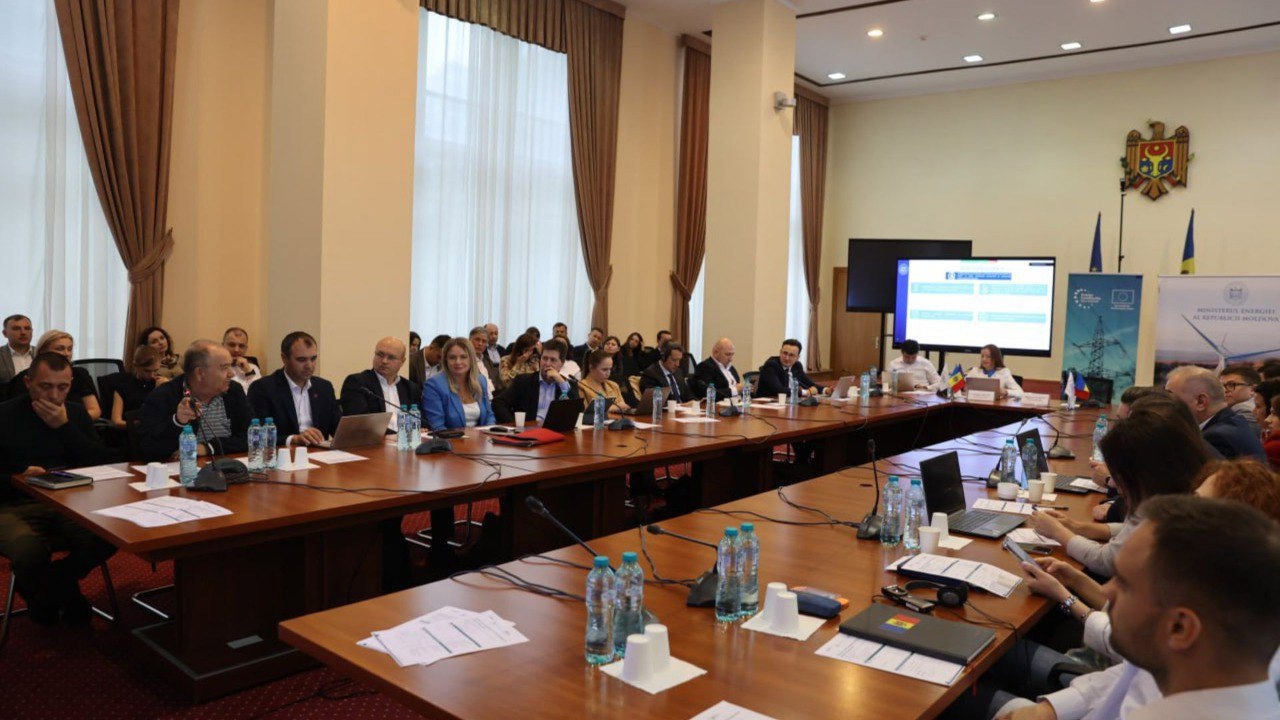
Unveiled by the Ministry of Energy on Friday, the plan focuses on decarbonising industry and transport, boosting efficiency, and deepening integration with the European market.
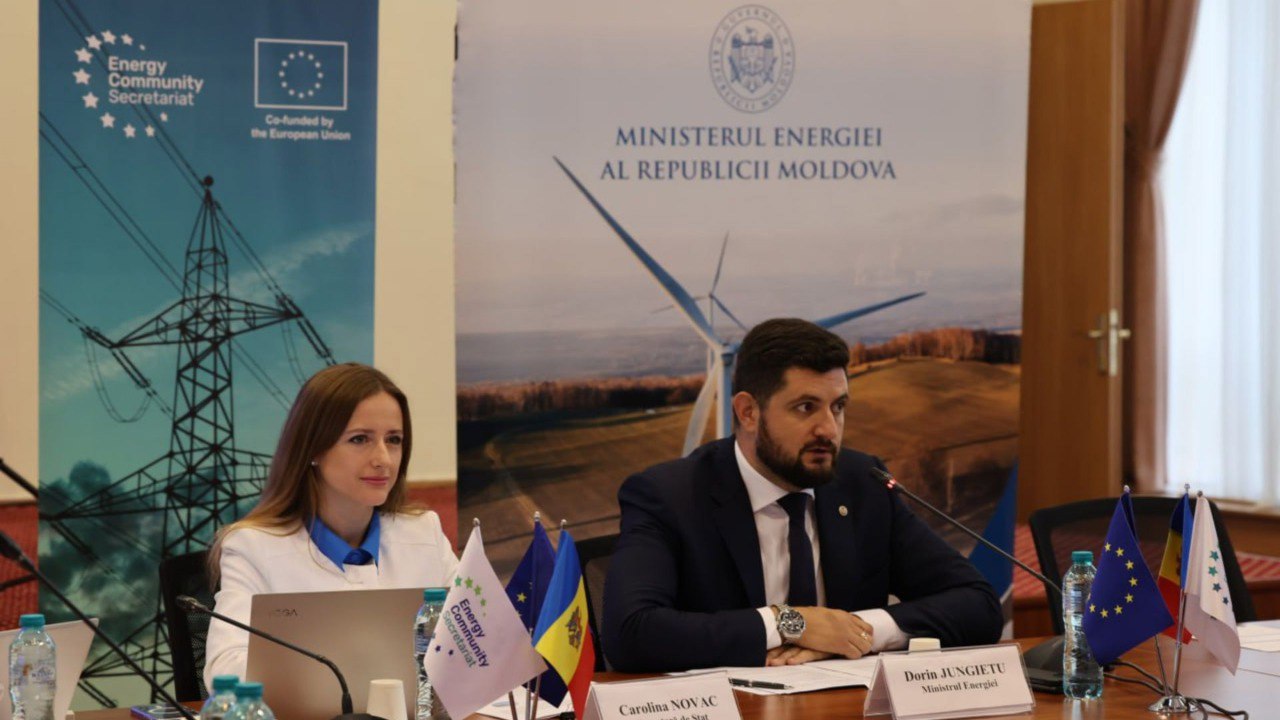
The country's Energy Strategy to 2050 aims to ensure a smooth transition to a more efficient and competitive system, according to Minister of Energy Dorin Junghietu. He said the share of electricity from carbon-free sources is projected to reach 85% of total domestic production by 2050. This would mean approximately 90% of Moldova's electricity needs would be met by internal renewable sources.
Mr Junghietu explained that a key part of the plan is diversifying supply sources and strengthening connections with the EU. He added that electrification and improved energy efficiency were also central to the "ambitious goal of reducing energy consumption."
The minister said transportation was a major focus, as it is the country's second-largest energy consumer after the residential sector. "We must implement green public transport," he stated.
Artur Lorkowski, Director of the Energy Community Secretariat, said the 2050 Energy Strategy guarantees Moldova’s energy future by ensuring a just and inclusive transition while strengthening the country's European path. He noted that cooperation with the European market, envisioned until 2027, would bring more transparency, investments, and fair prices.
The long-term strategy is also vital for preventing future energy crises, according to State Secretary at the Ministry of Energy, Carolina Novac. She explained that the plan provides a clear vision for the necessary investments in the sector over the next 25 years.
To fund the strategy, the government estimates a €43bn investment will be needed for new renewable energy capacity, as well as building renovations and the transition to sustainable electric heating.
Translation by Iurie Tataru