Trump's patience with Putin 'running out' as EU and US diverge on Russia policy
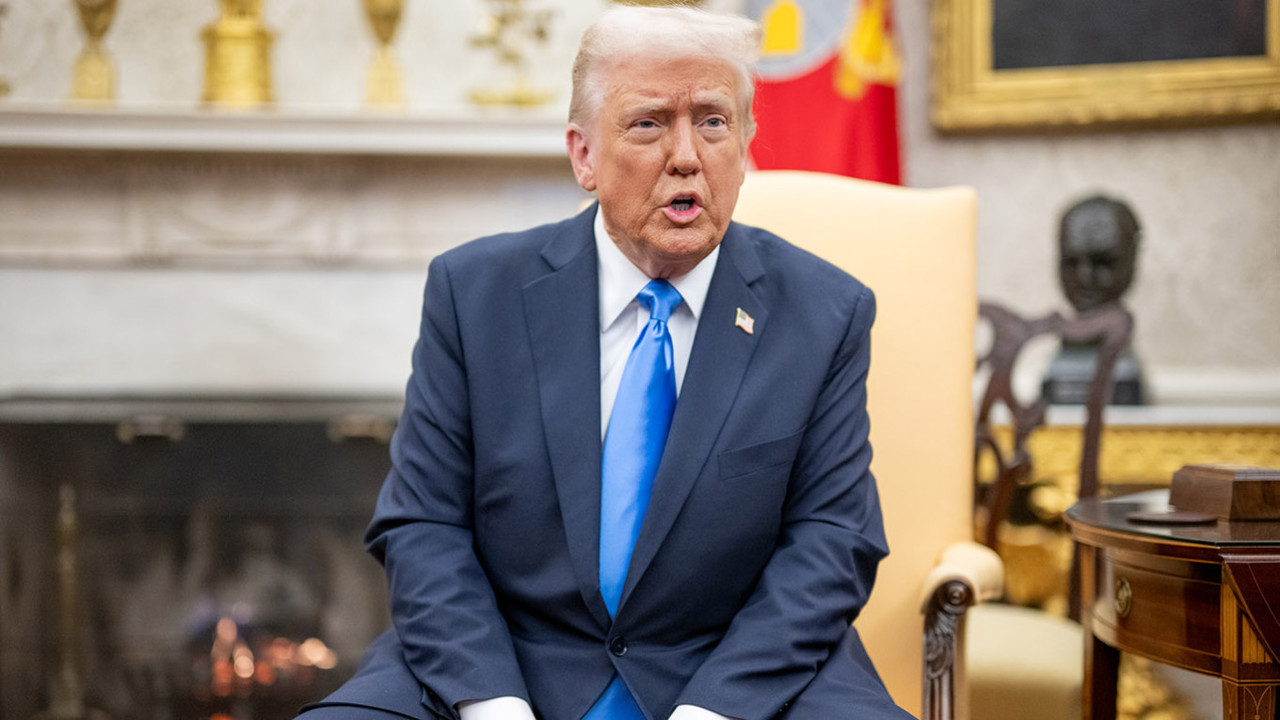
U.S. President Donald Trump said his patience with Vladimir Putin is "quickly running out," and that Russia could face new sanctions that would affect the financial and energy sectors of its economy.
"It's running out, and it's running out quickly," Mr. Trump said in an interview with Fox News, as quoted by The Moscow Times.
"We're getting ready to introduce some very tough sanctions targeting banks, and also hitting the oil sector," the White House leader added. Mr. Trump noted that he had previously imposed increased trade tariffs on India, which has become the largest buyer of Russian oil. "That was not easy, it caused a dispute with India," he said.
According to Mr. Trump, it is unclear whether Russia is currently ready for a settlement of the conflict, which is already in its fourth year. He also noted that Ukrainian President Volodymyr Zelenskyy has not been quick to show a willingness to negotiate.
"It takes two to tango," Mr. Trump said. "It's amazing: when Mr. Putin wants to, Mr. Zelenskyy doesn't. When Mr. Zelenskyy wants to, Mr. Putin doesn't. Now Mr. Zelenskyy is ready, but Mr. Putin's position remains in doubt."
According to Politico, European leaders managed, after several weeks of intense negotiations, to convince Mr. Trump that Mr. Putin is not ready to end the war. "Finally, Mr. Trump is on our side," one EU diplomat told the publication.
Politico's sources state that Mr. Trump was convinced that pressure must be exerted on the Kremlin, although disagreements persist between the US and the EU regarding how to do this. The Trump administration has proposed to the European Union that they jointly impose 100% tariffs on countries that buy Russian energy resources, while in Brussels, they believe the focus should be on sanctions against certain banks and companies.
According to Bloomberg, the Trump administration proposes imposing tariffs on customers of Russian oil at the "G7" level, as well as export and import restrictions, to prevent Moscow from acquiring dual-use technologies.
In addition, Washington has proposed that European countries begin the direct confiscation of frozen Russian reserves to finance the aid granted to Ukraine. The EU holds approximately 200 billion euros of Russia's sovereign assets, placed under sanctions, of which only the returns from those investments are currently being used. US officials suggest the principal be used gradually, sources told Bloomberg, according to The Moscow Times.
Translation by Iurie Tataru