European Green Deal E-guidebook launched to promote green economy and EU Integration

The Republic of Moldova is enhancing its environmental policies to align with the objectives of the European Green Deal (EGD) and is progressing in implementing reforms necessary for its integration into the European Union.
According to an E-guidebook dedicated to the European Green Deal, launched by the National Environmental Center (CNM), among the most important measures undertaken by the Republic of Moldova are the Environmental Strategy 2024–2030, which provides for the objective of "zero pollution" for water, air and soil by 2030, the reduction of greenhouse gas emissions and the expansion of the use of renewable energy sources.
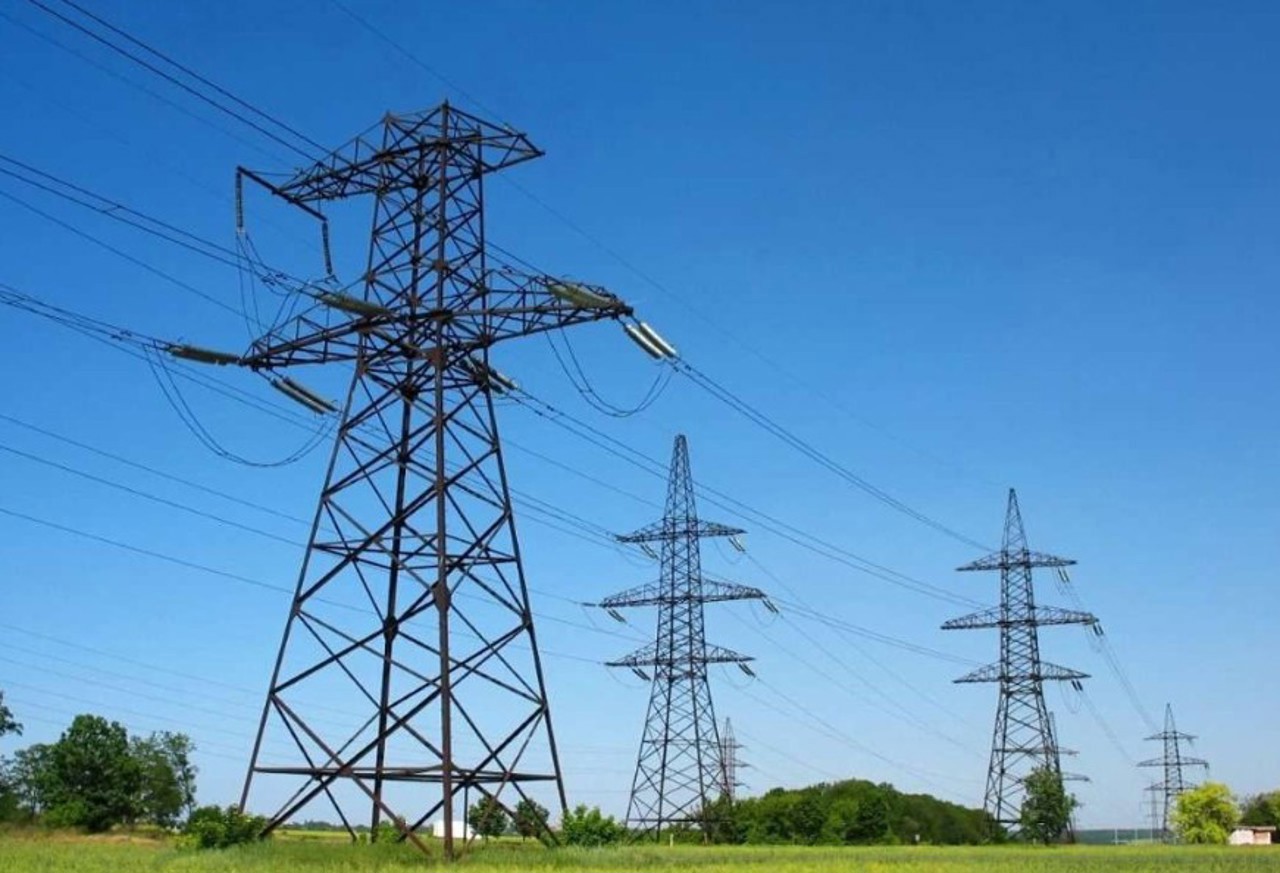
In April 2025, the share of green energy in national consumption reached a record 36%, above the minimum target of 30% set for 2030, according to a press release from the CNM.
The government has also initiated the implementation of the Emissions Trading System (ETS), which is scheduled to be launched by the end of 2025, and the application of the Carbon Border Adjustment Mechanism (CBAM), aimed at reducing polluting imports. At the same time, the authorities approved the introduction of the Packaging Deposit Guarantee System (SDA), which is to be implemented from 2027. It will encourage the collection and recycling of bottles, PETs and aluminum cans, reads the cited source.
In the field of waste management, the principle of extended producer responsibility (EPR) was introduced, whereby companies bear the costs of collecting and recycling products after they have become waste.
In parallel, the Republic of Moldova is implementing the National Forest Expansion and Rehabilitation Program, which aims to plant 145,000 hectares of forests over the next decade, with 15,000 hectares already afforested.
Additionally, efforts to clean rivers and rehabilitate dams have made notable progress, including the cleaning of 75 km of riverbeds, the rehabilitation of 100 km of dams, and the demolition of over 80 illegal dams.
The authorities emphasize that harmonizing national legislation with over 200 European acts in the field of environment and climate change is essential for European integration and for the modernization of the economy of the Republic of Moldova.