EU support for Moldova tied to reforms, Commissioner says
European Union support for Moldova is contingent on reforms and the direction of the country's new parliament, to be formed after elections on 28 September.
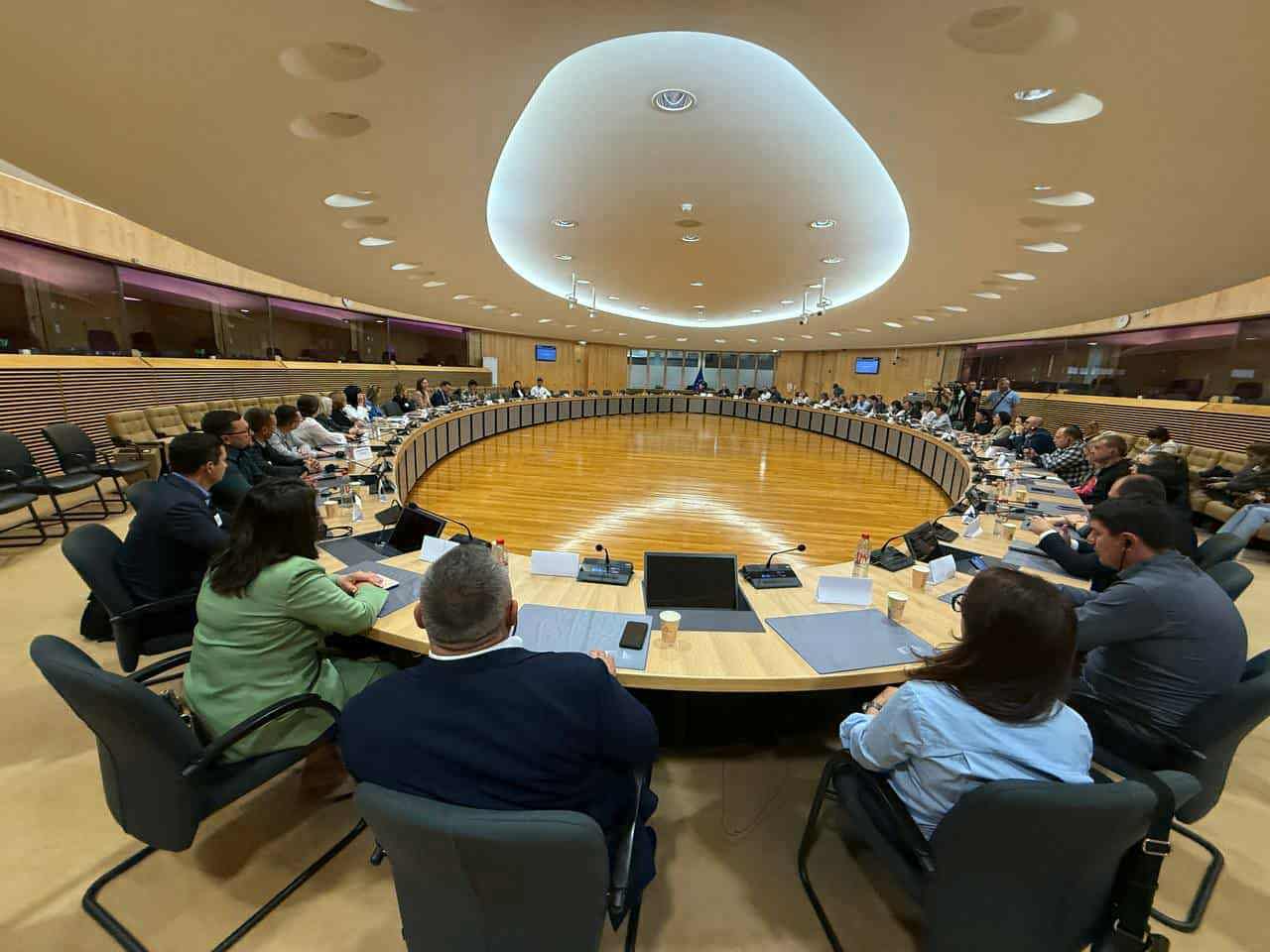
The message was delivered on Tuesday, 16 September, by EU Commissioner for Enlargement Marta Kos to 40 Moldovan entrepreneurs visiting Brussels.
Ms Kos stressed that EU support is closely tied to the pace of reforms and the Chișinău government's commitment to European integration. The official congratulated the entrepreneurs for their involvement and courage, adding that the EU is a system that, beyond its bureaucracy, “welcomes them, supports them and, most importantly, protects them.”
“You are a country of action, not just of declarations,” Ms Kos said, adding that by inviting the Moldovan entrepreneurs to Brussels, she wanted them to see “with their own eyes what the European Union is truly about.”
Asked about the 28 September elections, which she called “very important,” the Commissioner noted that Europe will “keep its fingers crossed” that the country remains on the European path.
During the meeting, the Moldovan businesspeople expressed their gratitude for the constant support the EU provides to the business community in Moldova. They also expressed their surprise at the opportunity to directly discuss their concerns with European officials.
Nicanor Negru, a beekeeper, said that without European funding, developing his business—now one of the country's most significant—would have been much more difficult. He pointed out that his company, launched in 2014, has become a success story for businesses in Moldova thanks to European support.
In turn, Silvia Lazu, a textile entrepreneur, stated that the Moldovan business community feels increasingly heard and supported in recent years, and that European investments are visible. “We have a duty to explain to our employees that we are genuinely well-suited for integration and for the European Union,” she said.
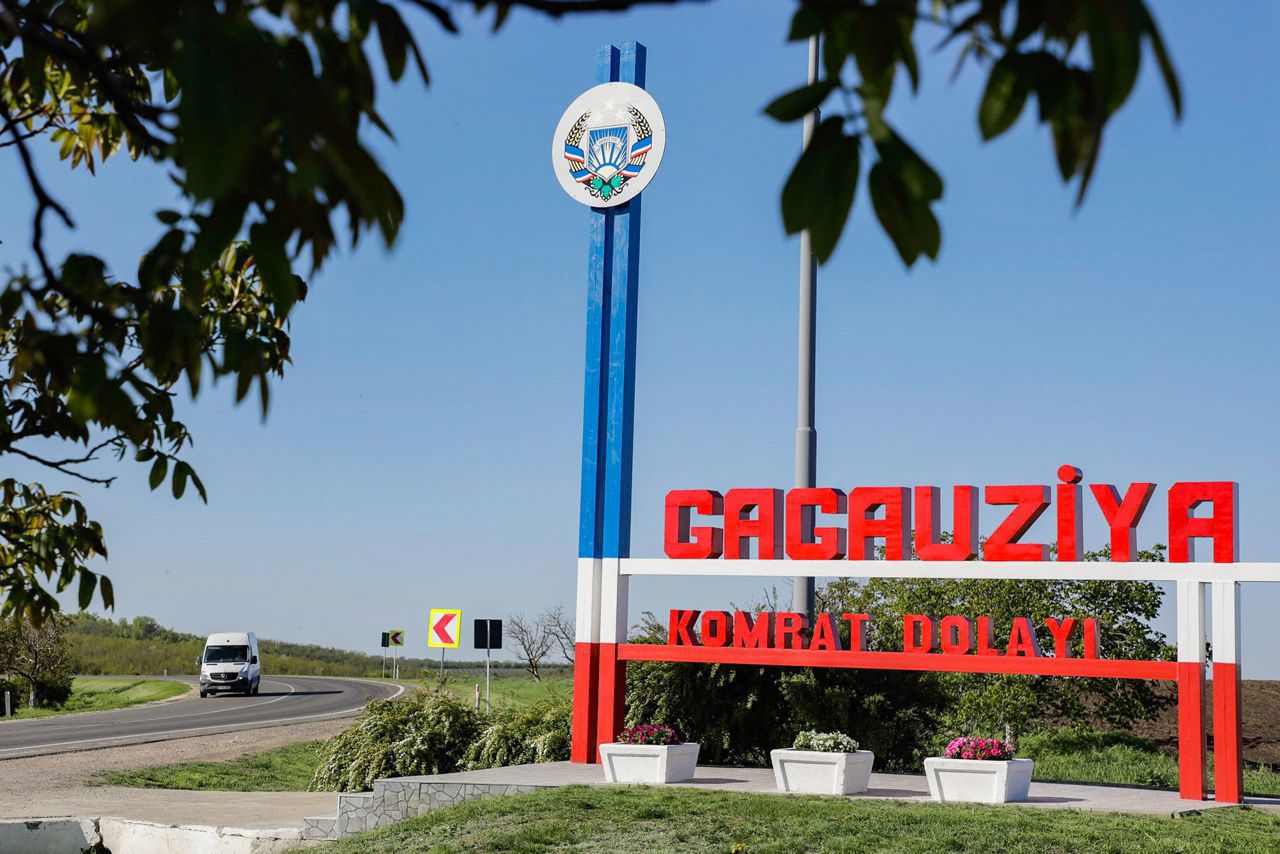
Maria Paskova, who manages a cosmetics business, highlighted the importance of Ms Kos's previous visits to regions like Taraclia and Gagauzia and expressed her surprise that the Commissioner had honored her promise of a meeting in Brussels. She also said that during the meeting, they discussed the possibility of a delegation from southern Moldova visiting Slovenia next year to better understand the standards of living within the Union.
Ion Zaiat, the director of a recycling company, said that although the sector is still young in Moldova, it has real growth potential. He encouraged other entrepreneurs interested in this field to apply for European grants and projects, noting that “they will succeed.”
“We are aware that it will not be easy and that it takes time, but we already have experience from 2008, going through all the stages of developing this business step by step, and having the examples of EU countries and, even closer, from Romania. We understand that this business has good prospects,” the entrepreneur said.
Valeria Caduc, the administrator of a family business that specializes in apple production and export—including to the European market—stated that the meeting with Ms Kos was extremely motivating. She emphasized that the investments made so far were possible thanks to European funds, and her company hopes to continue accessing financing to invest in technology and expand production capacities.
When asked for her key message to Moldovans ahead of the parliamentary elections, Ms Kos stressed that they should have confidence in their own abilities.
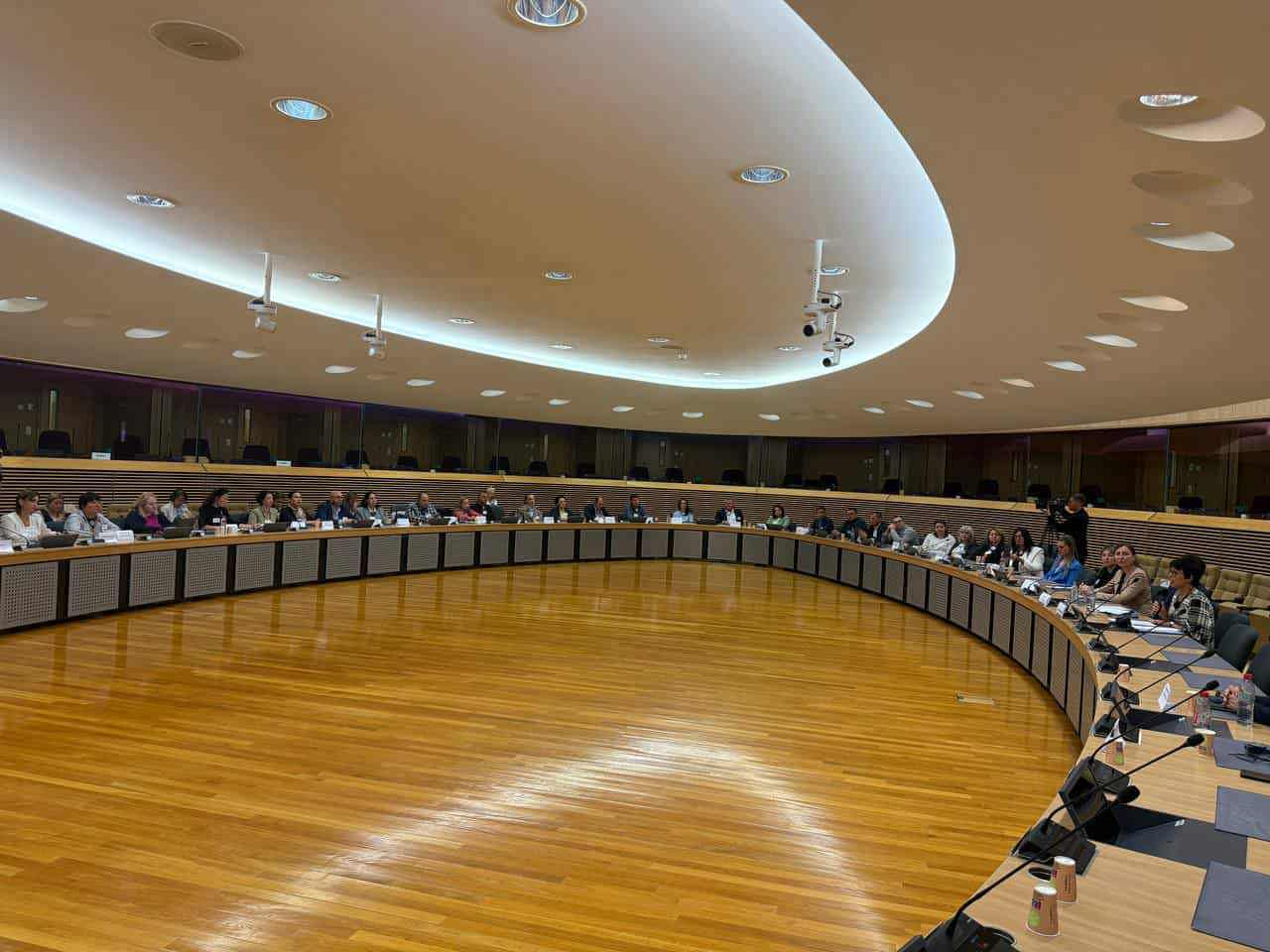
“You are doing an extraordinary job; you are hardworking. You have registered many successes, and I urge you to continue. The future of Moldova is in the hands of Moldovans. They are the only ones who have the power to decide whether, after the elections—some very important ones—Moldova will continue its European path,” said the Commissioner for Enlargement at the end of the meeting in Brussels.
Over the two days, the Moldovan entrepreneurs participated in several meetings with European officials and representatives of international organisations that work with the EU to support the development of small and medium-sized enterprises in developing countries.
The businesspeople learned about funding available through the EU's €1.9bn Growth Plan for Moldova, the enlargement process, exports to the bloc and the requirements of EU standards.
Translation by Iurie Tataru