BBC exposes Russian network's covert campaign to undermine Moldova elections
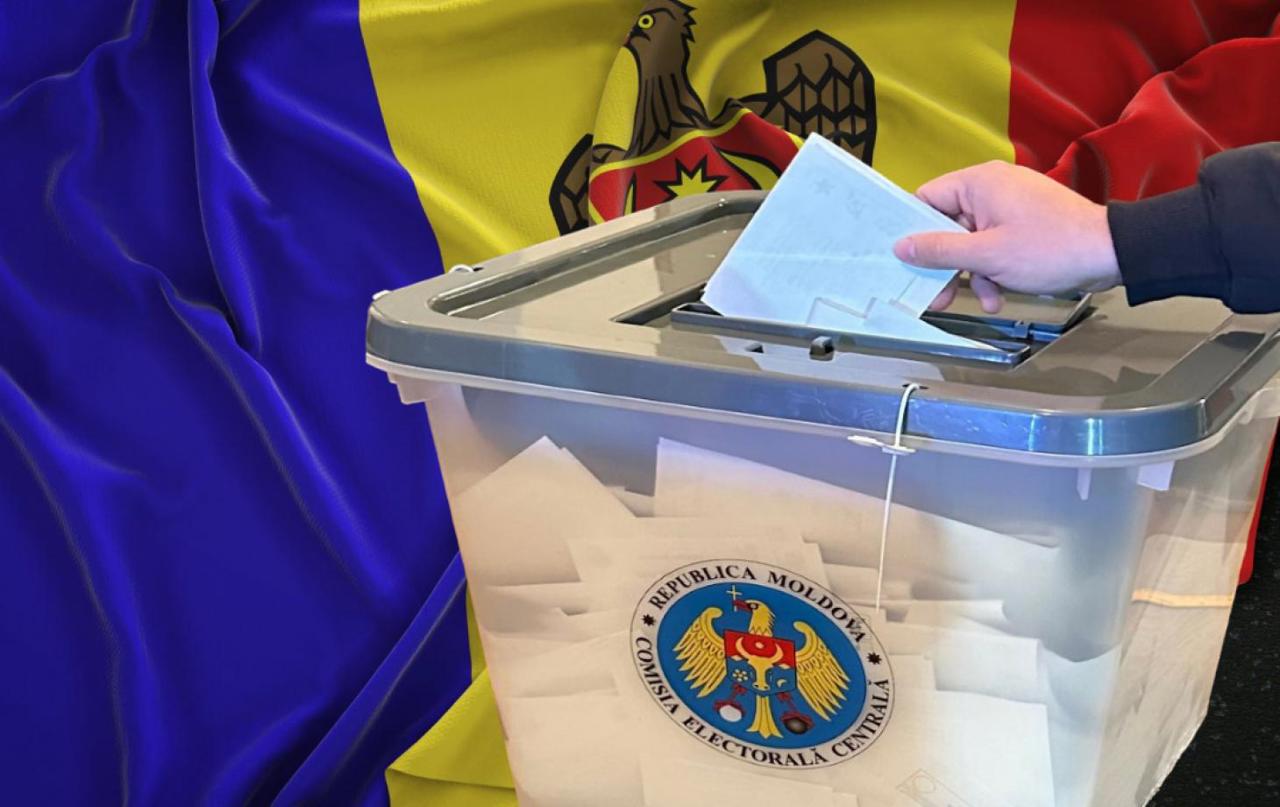
A secret network funded by Russia is seeking to undermine Moldova’s parliamentary elections, a BBC investigation has revealed.
Using an undercover reporter, the BBC discovered that the network promises payments to its members to publish pro-Russian propaganda and fake news, which undermines the image of Moldova's ruling party in the lead-up to the September 28 elections.
According to the source, participants are paid to find supporters of the pro-Russian opposition, secretly record them, and conduct so-called "informal polls".
“According to the network organizers’ plan, the results of these extremely prejudiced surveys can be used to later challenge the election results. The initial results of these 'surveys,' which predict the defeat of the ruling party, have already been published online. All of this is done in the name of a nonexistent organization and is illegal. Official polls show that the Action and Solidarity Party (PAS) is currently ahead of the pro-Russian Patriotic Electoral Bloc (BEP),” the BBC writes.
The BBC found a connection between the pro-Russian network and Ilan Șor, who is sanctioned by the United States and the United Kingdom for “involvement in malicious Kremlin-organized influence operations” and corruption.
Additionally, BBC journalists discovered a link between the pro-Russian network and the non-profit organization “Eurasia,” which is associated with Ilan Șor and has been sanctioned by the UK, the US, and the European Union for allegedly bribing Moldovan citizens to vote against EU accession last year.
“In 2024, Ilan Șor’s activities primarily focused on financial matters. This year, the main emphasis is on disinformation,” Viorel Cernăuțeanu, head of the General Police Inspectorate, told the BBC World Service.
A BBC journalist infiltrated a network coordinated via the Telegram messaging app, through a link sent by an informant. Through their undercover work, they have established exactly how the anti-democratic propaganda network operates. The BBC reporter and 34 other people received invitations to join secret online seminars where “operatives were being trained.” Among the seminar titles was one called “How to go from the kitchen to a national leader.”
The reporter was contacted by the network coordinator, Alina Juk, whose social media profile says she is from the Transnistrian region, and her Instagram account shows she has visited Russia multiple times in recent years. She told the BBC reporter that he would be paid three thousand Moldovan lei ($170) per month to post on TikTok and Facebook before the elections, with the money being sent via a sanctioned Russian state bank, which is considered the official bank of the Russian Ministry of Defense and a shareholder in one of Ilan Șor's companies.
Subsequently, the individuals were instructed on how to post on social media using ChatGPT. They were told that “content attracts users if the image satirically reflects reality,” but they should avoid excessive use of artificial intelligence to make the posts appear “organic.”
In a Telegram group, they had access to previous instructions for new recruits. Initially, they were asked to post patriotic messages about historical figures in Moldova, but the requirements gradually took on a clear political turn, and they were asked to publish unfounded accusations.
As part of a secret operation interacting with a pro-Russian network, the infiltrated BBC employees only published a limited number of messages that were factually correct. The journalists wanted to find out who else was part of the network, as the BBC had evidence that it was made up of several groups similar to the one the corporation’s employees had infiltrated. They looked for patterns in similar activities on other accounts, which they could track by having access to Telegram.
“We concluded that the network consists of at least 90 TikTok accounts (some of which are masquerading as news agencies), that have published thousands of videos, accumulating a total of over 23 million views and 860 thousand likes since the beginning of January. The population of the Republic of Moldova is only 2.4 million inhabitants. The BBC shared its findings with the American Digital Forensic Research Lab (DFRLab). Based on the data provided and their own analysis, DFRLab representatives stated that the pro-Russian network could, in fact, be much larger. According to them, since January, the network’s content has accumulated 55 million views and over 2.2 million likes on TikTok,” the cited source noted.
Spreading disinformation isn't the network's only activity. Coordinator Alina Juk also offered the undercover journalist 200 Moldovan lei ($12) per hour, in cash, to conduct an informal survey among Chișinău residents about their preferences for election candidates. Before starting this task, the recruits were instructed on the subtleties of influencing those being questioned. They were also asked to secretly record the voices of interviewees who supported the pro-Russian opposition.
Juk explained that this was done to "prevent the falsification of vote results." According to her, these recordings could be used if the PAS were to win, as proof of the ruling party’s incorrect victory.
The BBC obtained evidence that the network, which the correspondent infiltrated, is financed from Russia. The reporter listened to and recorded a conversation with Alina Juk, in which she was asking for money from Moscow. It is not clear who was sending her the money, but the BBC managed to find links between the network and Ilan Șor through the NGO “Eurasia.”
Ilan Șor and “Eurasia” have not reacted to the results of the BBC investigation. Meta, the owner of Facebook, did not provide a response. TikTok management said it had taken additional security measures ahead of the elections and continues to “actively counteract deceptive manipulations.”
Translation by Iurie Tataru