Honey costs more. Beekeeper: "It's last year's stock"
Honey production has decreased by 50% compared to last year, and acacia and linden honey are in short supply. Spring frosts have significantly damaged the flowers, forcing beekeepers to supplement their bees' diets with honey from their own reserves or sugar to prevent losing their hives. The honey currently available on the market comes from last year's reserves and is, on average, 20% more expensive.
Ion Maxim has been a beekeeper for 25 years. He says this year has been a difficult one. The acacia flowers froze exactly at the time when the bees were supposed to extract nectar.
"This year is a little more difficult, even unusual. Older beekeepers also say that they have never had such situations where there were no two consecutive harvests. The acacia harvest was practically 95% absent, the linden harvest was around 30%, if there was any," said the president of the National Association of Beekeepers of the Republic of Moldova, Ion Maxim.
The acacia or linden honey that is found comes from last year's reserves.
"Prices have risen a little compared to last year, but we don't have a harvest, there are still stocks of goods from 2023-2024. According to our estimates, there were still two to three thousand tons in stock at the beginning of the year from previous years. This year if it will be up to three thousand tons – it will be very good", the beekeeper said.
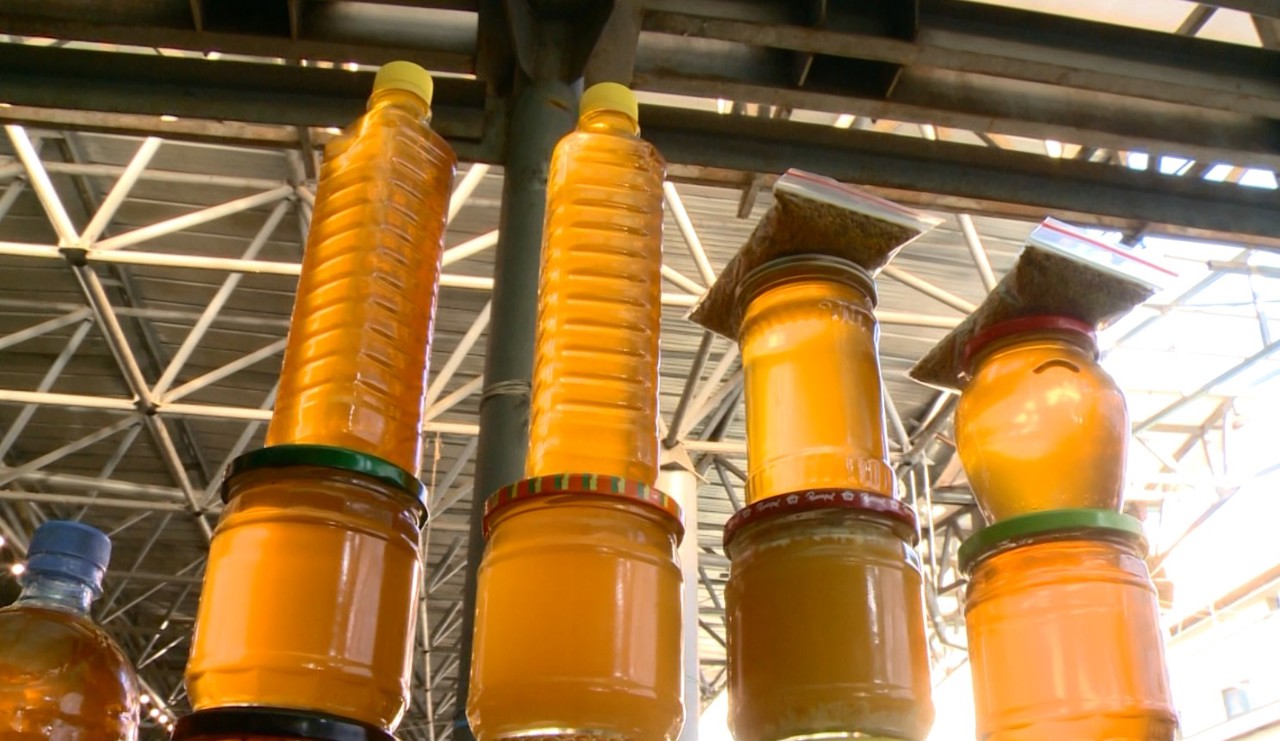
Traders at the Central Market say that they have increased prices by 20 percent. A kilogram of acacia honey can be bought for 180 lei.
"We have honey from 2024, we sell honey from last year. I think it is natural for prices to increase a little, because honey is not enough and we should sell what is left at the best possible price".
"It was cold in the spring, the bee did not fly when the acacia blossomed and we did not collect acacia honey. We are selling items from our warehouse that we had on hand from last year. This year we took out less flower honey, we always leave the last honey for the winter, because they need it too, and somehow the prices have increased compared to last year".
"The spring was very cold, it was rainy, there were frosts. There is no May honey, no acacia honey. Sage honey, manna honey and wild flower honey, polyflora, were collected, in smaller quantities, but we are grateful for what was".
Only officially registered beekeepers benefited from support from the Ministry of Agriculture.
"They requested to receive sugar to feed the bee families, to prepare them for the winter. We are referring to 14 thousand bee families", said the head of the Policy Directorate in the livestock sector, Valentin Roșca.
The Republic of Moldova is known for its honey exports, with a significant proportion, approximately 90%, reaching the European Union.
Reporter: Evelina Curca