Moldova elections: Thresholds, D’Hondt rule, and the race for 101 seats
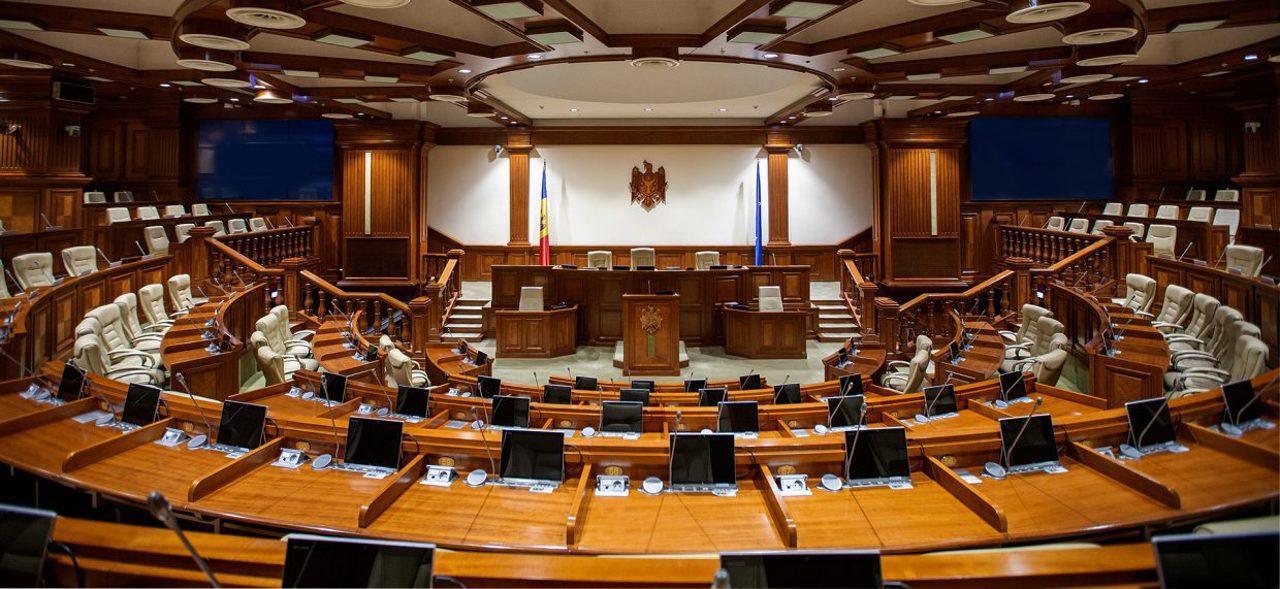
Moldova's parliamentary elections set the electoral threshold at 5% for political parties, 7% for electoral blocs, and 2% for independent candidates.
Political analyst Igor Boțan explains why this mechanism is essential for forming a government and how, mathematically, votes are converted into seats. According to him, a single vote could change the makeup of the future Parliament.
“This threshold is very important because thresholds are introduced to ensure effective governance. Approximately 15% of the voters’ ballots are redistributed only to the parties that surpass these electoral thresholds. This is a measure imposed about a hundred years ago, when the proportional representation system—which Moldova still uses today—became popular,” Boțan stated.
How a single vote could change history
The analyst asserts that, given the threshold, every vote counts decisively, especially for parties close to the entry limit for Parliament. “Yes, one vote can change the course of history, because a vote for a party that is on the verge of crossing the electoral threshold can change history. Around 5–7% of votes are redistributed to the parties that have crossed the electoral threshold, and they can either form a coalition or govern alone.”
The D'Hondt Calculation
Boțan explains that once the votes are counted, the procedure for allocating seats is objective and clear. “Parties that have not accumulated the necessary number of votes to clear the electoral threshold are simply not considered. The parties that have crossed the electoral threshold are calculated using the so-called D’Hondt method of successive divisions to form a decreasing sequence containing 101 terms—this allows us to calculate with mathematical precision who will represent us in Parliament.”
To illustrate, the analyst provided a practical example. “Party X obtained, for instance, 30.7% of the votes. This figure is taken and successively divided by 1, then by 2, and so on up to 101. Once you have this sequence, you then take Party B with 40.4%. You arrange all these figures in descending order to determine how many seats each party obtains. This is exactly how candidates on the Central Electoral Commission (CEC) lists are allocated to Parliament.”
However, the rule is different for independents. “For an independent candidate, it is sufficient to accumulate 2% or more, and they automatically receive a seat in Parliament. Consequently, one seat—the independent’s—is removed from the total of 101, and the decreasing sequence procedure is done not with 101, but with 100.”
Moldovans are called to the polls on Sunday, September 28, to elect their new, 12th-term Parliament. The election is considered a decisive moment for the country's direction: whether it continues its pro-European path or moves closer to Russia.
Translation by Iurie Tataru