Activist Marat Ghelman: 'Moldova is European; there is no other choice'
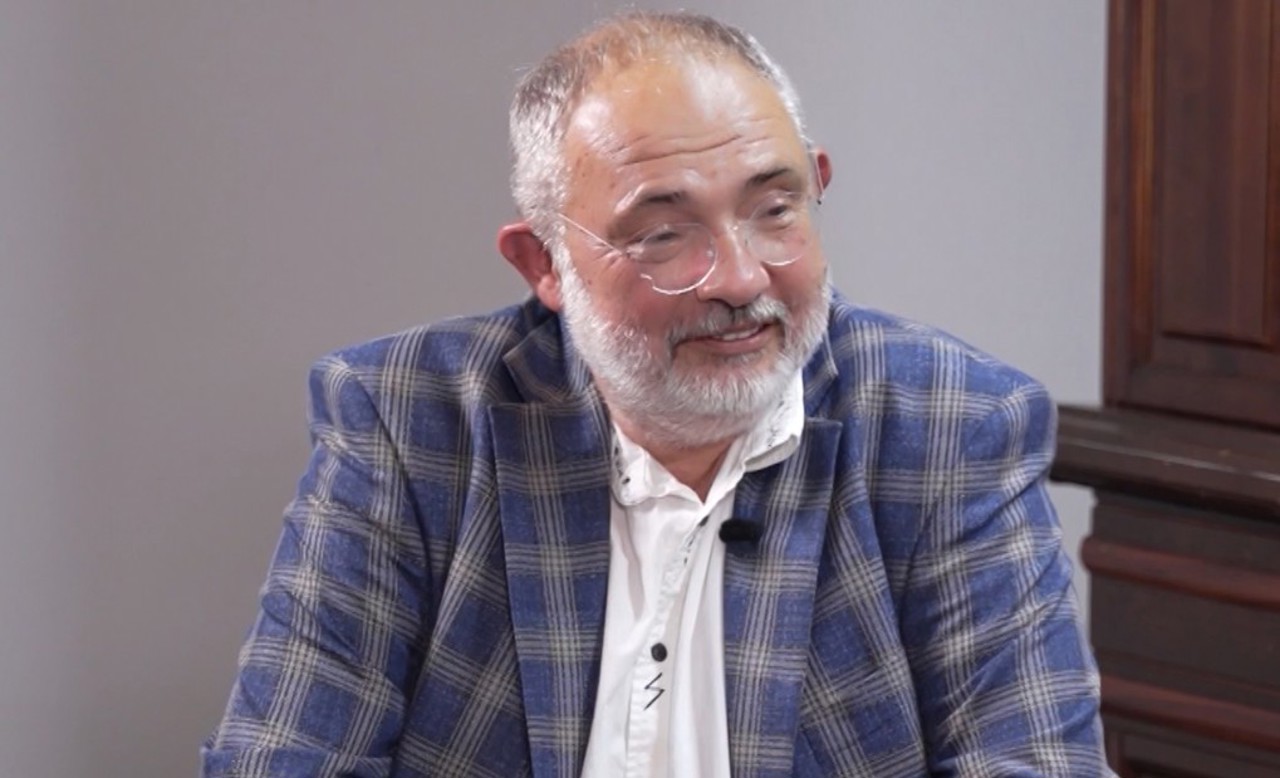
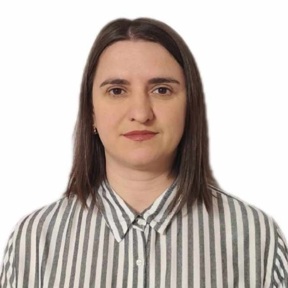
Marat Ghelman, a prominent gallerist, journalist, and social activist, states, "The Republic of Moldova is a European country." He believes that today's election is not merely "a choice between Europe and Russia, but rather between the past and the future." Ghelman was born and educated in Chisinau, later working in Russia. After the annexation of Crimea in 2014, he moved to Montenegro.
Ghelman recently regained his Moldovan citizenship and is proud to call himself Moldovan. In an interview with Moldova 1 TV, he explained what Moldova means to him, how he perceives the country, and why, in his opinion, Kremlin propaganda finds such fertile ground here.
"We are generally living in a historical turning point. There were probably elections that were decisive, as Moldova was bidding farewell to its Soviet past. We will probably be shaken by these changes for about half a century. Today, I don't understand people who are facing a choice - the choice is so obvious that I have nothing to tell them. On the one hand, the European choice means one's own destiny, a return to oneself. Moldova is a European country. In fact, there is no choice. However, there are victims of propaganda - people who believed in this revanchist impulse. Revanchism always exists, but it is not a choice between Europe and Russia; rather, it is a choice between the future and the past. Revanchism often claims that it seeks to return to a specific moment. Putin - whether he wants to return to the 19th century or to Stalinist times. Sometimes this resonates with people, because it represents a return to their youth," said the activist for Moldova 1 TV.
According to him, in the 1990s, amid the movement towards Europe, elderly people appeared carrying portraits of Stalin. Trying to understand the meaning of this gesture, he found that it was, in fact, a protest against the present, a desire to shout as loudly as possible. Ghelman claims that this is where many of the current problems have their roots, and then a mistake was made: an authentic “museification” of the past was not carried out.
“The past should have been exhibited in a showcase, with a label, so that it would not participate in real life. We did not do this. And this is our responsibility, of my generation, at least. And here the past has returned to us, in a strange form. Honestly, I really believe that, starting with Moldova, Putin will record failure after failure,” the journalist said.
Referring to Moldova – the country where he was born, studied and worked – and how he perceived it upon his return, as well as how he wants to see it, Marat Ghelman emphasized that during this time he himself has changed more than the country. Arriving here, he began to remember himself, capitalizing on his own skills, one of his projects aimed at developing the territory through culture. He noted the uniqueness of the moment of the reunion with Moldova and anticipated that, in three or four years, the country will receive significant attention due to its association with the European Union, which will highlight its unique aspects. Ghelman explained that he is starting to view Moldova through the eyes of a European citizen, a European cultural figure, or a European official, as a novelty.
“It is clear why we need the European Union, but we also need to understand why the European Union needs us. I saw the potential, which I hope we will be able to capitalize on during this time. I would not like to position myself as an expert, on the contrary, I would like to participate in this process,” Ghelman emphasized.
In his opinion, the central event will be the future integration into the European Union. In this context, the activist used a metaphor: “Moldova is a bride – young, beautiful and ready for the wedding, and the big day is approaching”.