Moldova elections: Pro-EU vote survives Russia interference claims
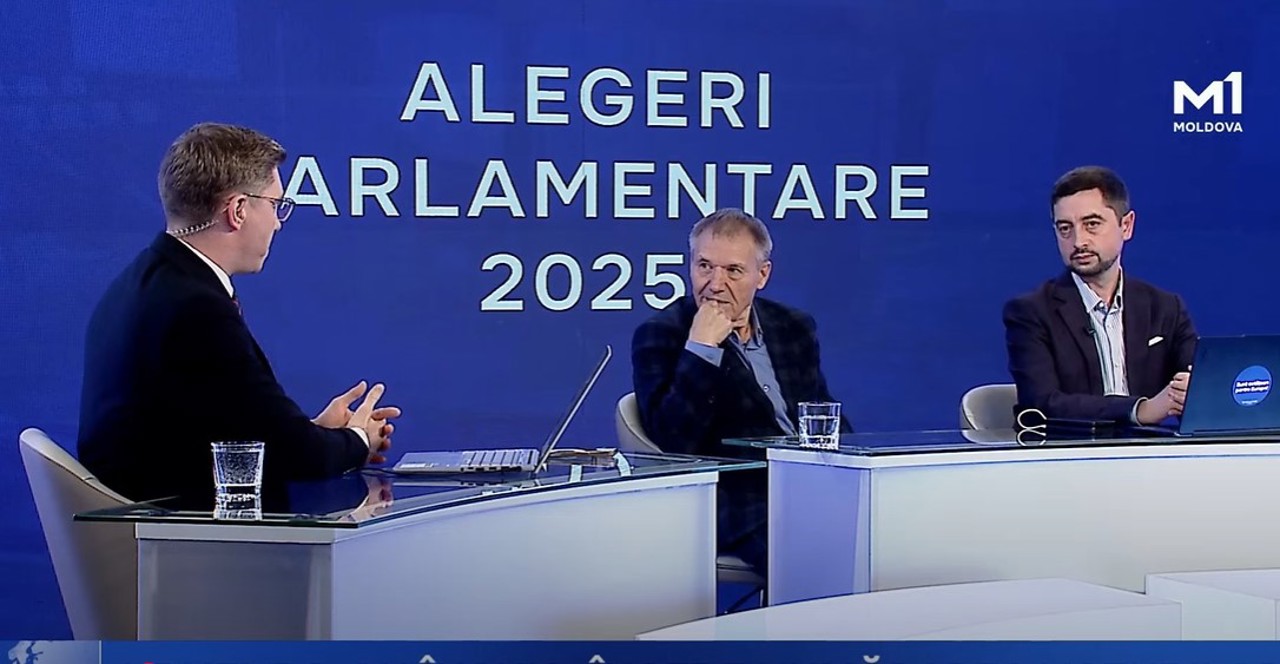
Despite an intense campaign of external interference, cyber threats, and baseless accusations of fraud, the parliamentary elections in the Republic of Moldova proceeded without major violations, confirming the electorate's commitment to a European course.
Experts on Moldovan broadcaster Moldova 1 highlighted alleged Kremlin attempts to undermine the ballot's legitimacy through manipulation, orchestrated street protests, and the infiltration of fake observer networks. They said “democracy has withstood this test” of institutional resilience.
Defending democracy and the message for Europe
"What's important is that we defended our democracy and the elections, despite all the challenges of this interference and illegal funding," Valeriu Pașa, President of the WatchDog.MD Community, told Moldova 1. "Think about the vast sums the Russian Federation poured into its attempt to completely derail the electoral process."
"I don't think they succeeded, I don't think they will manage to overturn the final result. Moldovans want to join the European Union. They reconfirmed this through these elections, and we will move forward."
Mr Pașa vehemently criticised the opposition’s fraud accusations throughout the day, noting a lack of evidence for what he described as a post-electoral hybrid challenging strategy.
“How does information warfare work, through psychological manipulation? (...) Throughout the day on Sunday, we heard accusations of fraud, but without any proof. Parties have a representative in every polling station. The Russian Federation recruited almost 1,000 representatives, whom it disguised as independent observers and as representatives of various opposition parties. If there truly was fraud, they must come forward with proof, with official complaints, with serious evidence,” he emphasised.
Russia’s visible and invisible destabilisation strategy
Columnist Nicolae Negru, also speaking on Moldova 1, stressed the need for increased vigilance after the opposition announced it was preparing Kremlin-orchestrated protests, which he said were intended to erode public trust.
“There is a lack of logic in these actions. In this case, logic doesn't matter; what matters are specific destabilization outcomes, organizing disorder, or perhaps even violent confrontations. This is something that has been discussed: Moscow organised both visible and invisible actions in this case,” the columnist stated.
Mr Negru detailed how Russia promotes actions designed to provoke protests and confrontations with the clear aim of undermining stability and creating chaos that would justify subsequent interventions under the pretext of a state 'captive' to Western influence. The actions are designed to demoralize citizens and mobilise pro-Russian supporters, in the context of bomb threats at polling stations in the diaspora and cyberattacks reported on election day. “It was said that the Republic of Moldova is not independent, that it is a puppet state, that the European Union is pushing the Republic of Moldova down the same path as Ukraine,” he recalled.
Vote legitimacy under scrutiny
In the same context, Nicolae Panfil, head of the Promo-LEX mission, emphasised that the electoral process was, overall, peaceful, without major violations.
Among the violations detected by Promo-LEX observers were issues affecting vote secrecy, deficiencies in electoral lists, and unjustified group voting. These point to systemic problems in process management, potentially influenced by external pressure, which could affect vote validity in certain areas. He highlighted challenges related to access to polling stations, especially abroad, as well as attempts at filming by electoral competitors, which represents an aggressive monitoring strategy, likely coordinated, that contravenes electoral rules.
Translation by Iurie Tataru