Moldova election: Pro-EU PAS party wins majority amid Russia claims
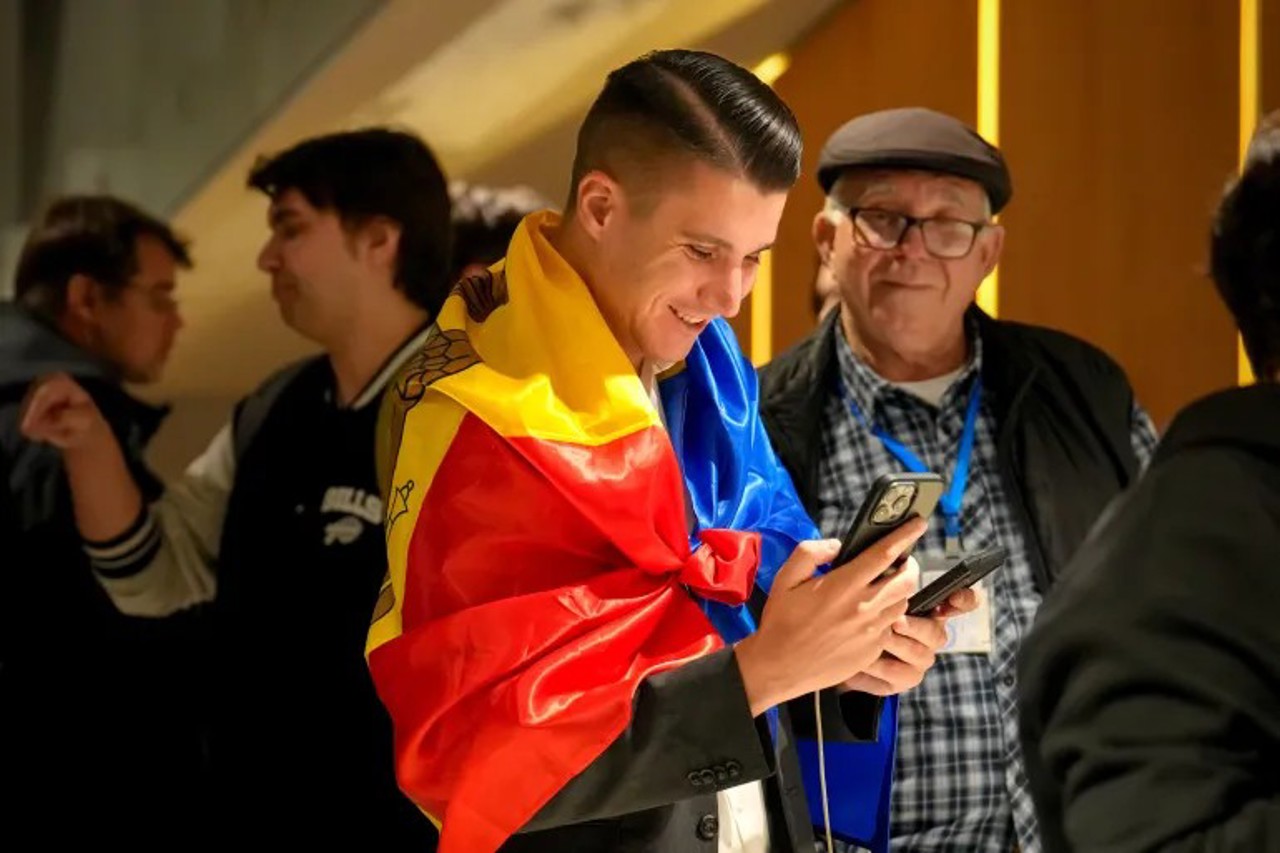
Moldova was thrust into the international spotlight on 28 September after holding a parliamentary election, a vote closely monitored by major global news outlets such as the BBC, Al Jazeera, CNN, Le Monde, Reuters, and RBC Ukraine.
The election was widely described as "decisive" for the country’s European trajectory and for reducing Moscow’s influence in the region.
The BBC reported that the pro-European Action and Solidarity Party (PAS), founded by President Maia Sandu, secured more than 50% of the vote, guaranteeing an absolute majority in Parliament.
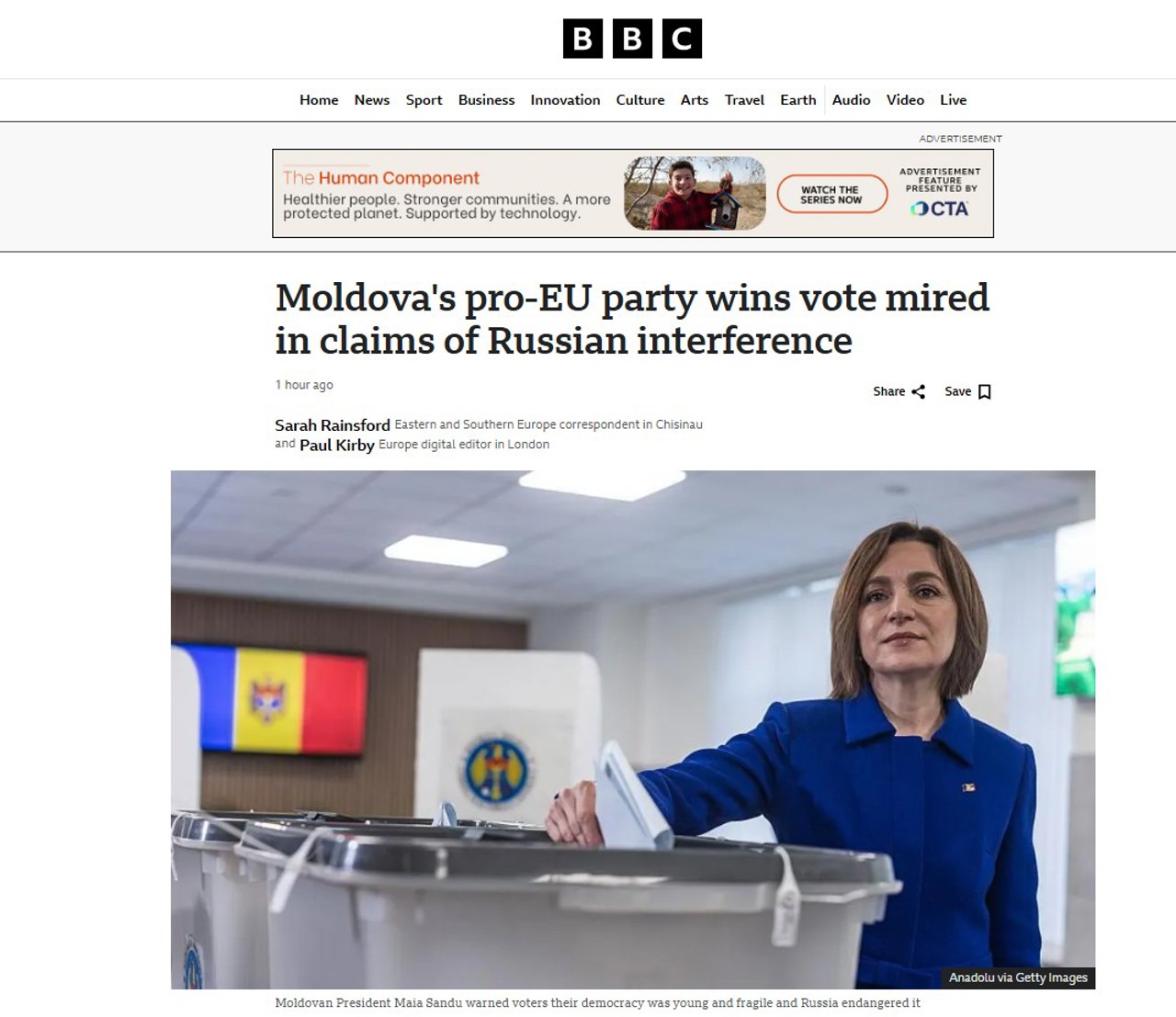
"The vote was held amid accusations of Russian interference. Pro-Russian opposition leader Igor Dodon contested the result and called for protests in Chișinău, but opposition mobilisation was low, and the demonstrations were dominated by pensioners, indicating little current impact," the BBC wrote.
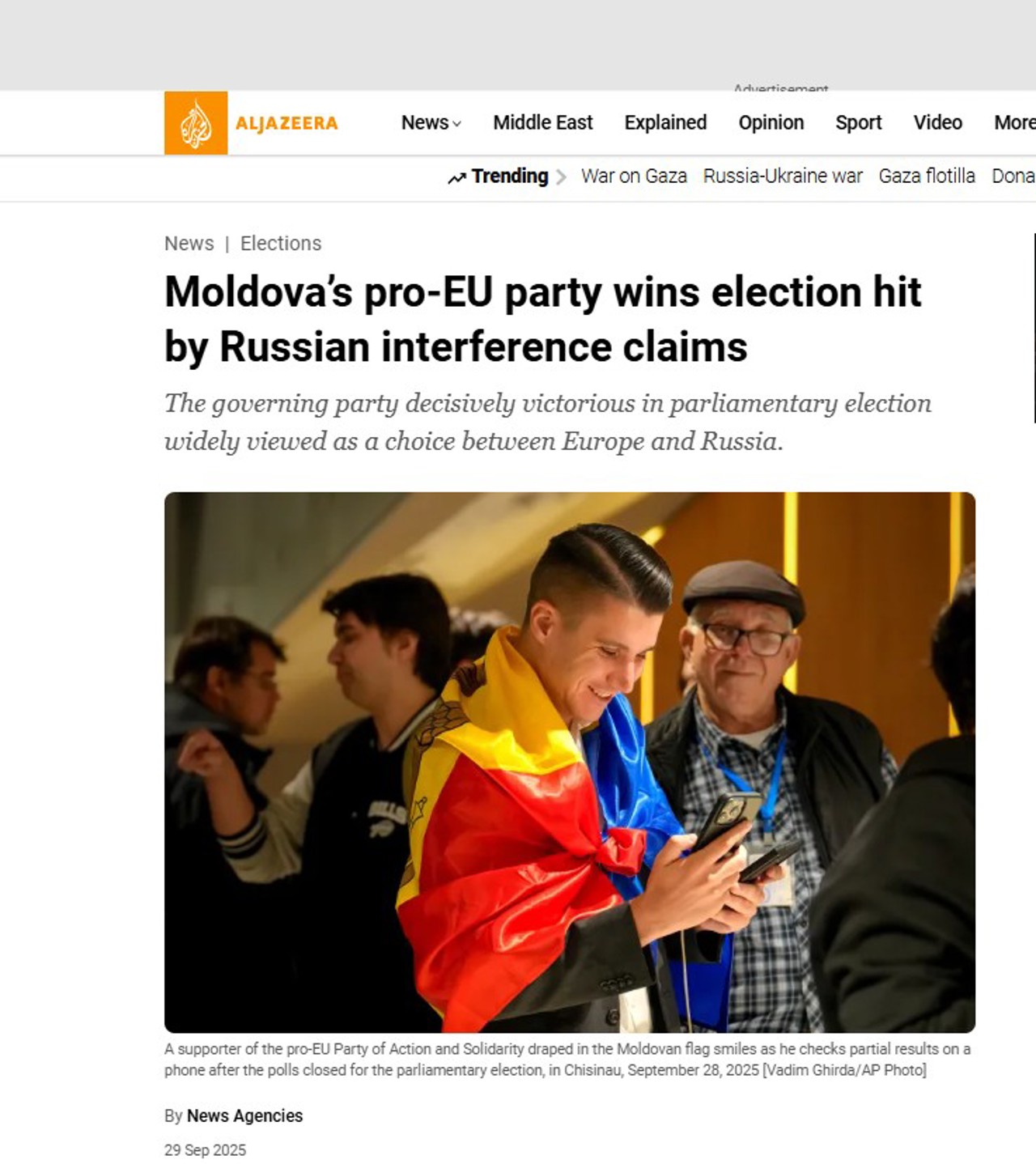
Al Jazeera ran the headline: "Moldova's Pro-EU Party Wins Election Amid Russian Interference Claims," stressing that the poll was widely framed as a choice between Europe and Russia.
The publication reported that the decisive vote for the country's future pitted the governing pro-European PAS party against several groups close to Moscow. Al Jazeera also quoted official statements from European leaders who welcomed the PAS success.
European Commission President Ursula von der Leyen wrote on X: "Moldova, you did it again. No attempt to sow fear or division could shake your determination. You have made your clear choice: Europe. Democracy. Freedom. Our door is open for you. We will stand by you every step of the way. Your future is in Europe."
Ukrainian President Volodymyr Zelensky stated: "Russia failed in destabilising Moldova, despite spending huge resources to undermine it and corrupt anyone they could."
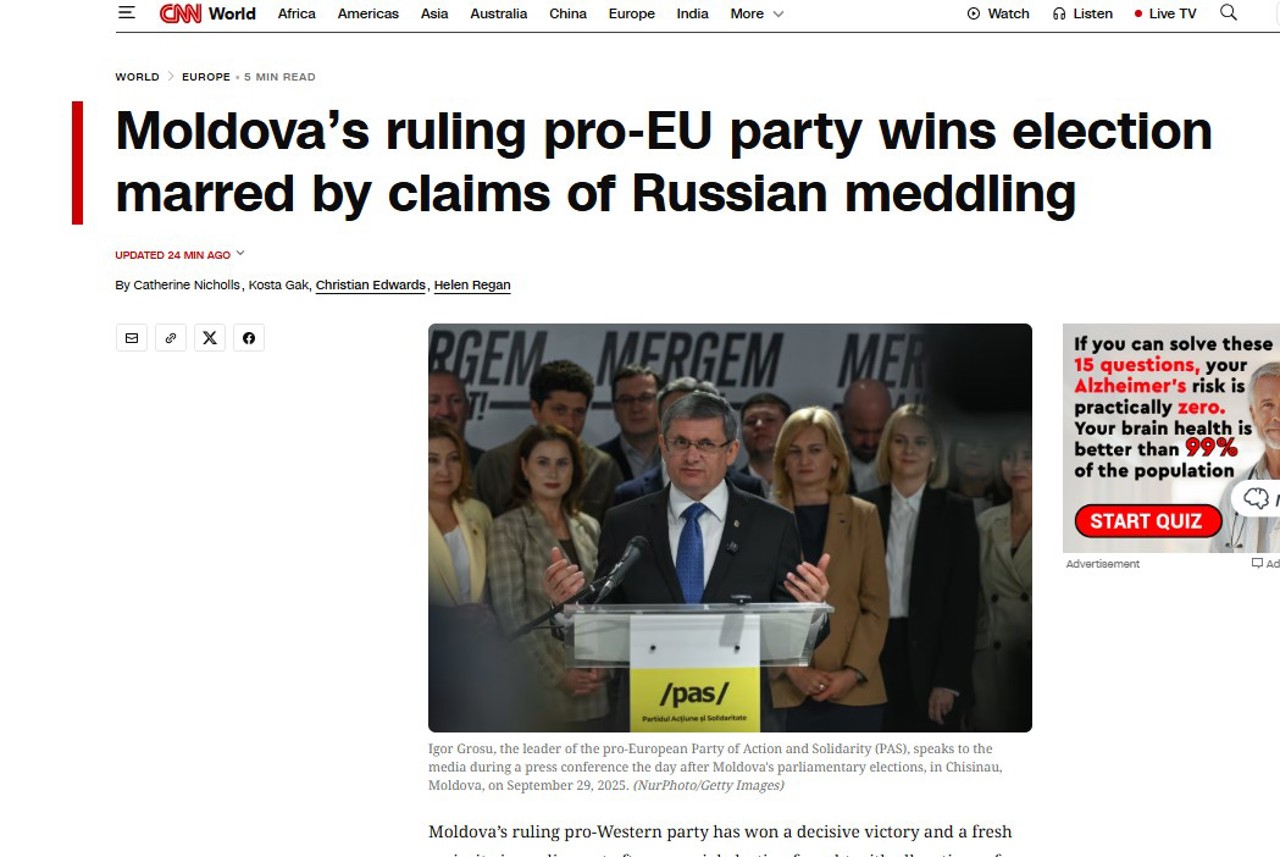
CNN reported that the PAS victory reflects the people's support for Moldova's European course, despite pressures and destabilisation attempts coming from Moscow.
The election was marked by accusations of massive Russian interference, and Igor Dodon contested the result, calling for protests.
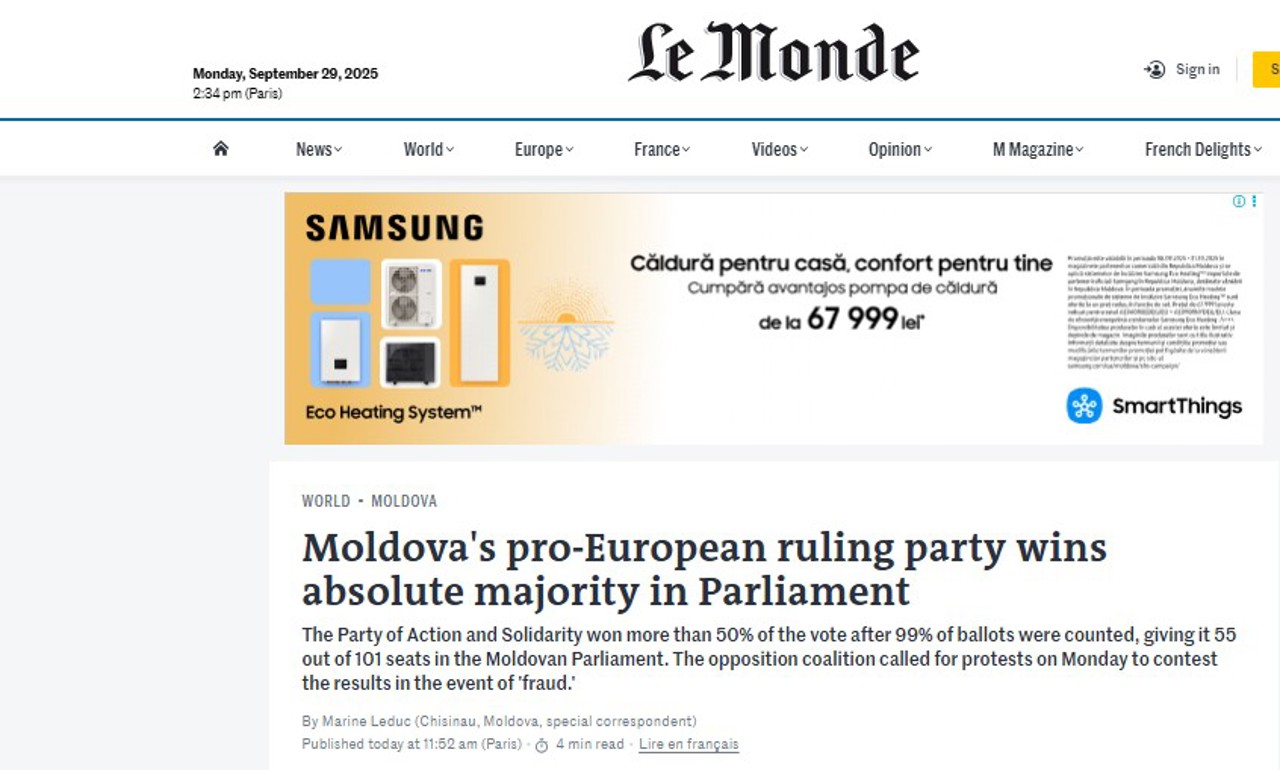
According to Le Monde France, PAS obtained more than 50% of the votes after 99% of the ballots were counted, securing 55 seats in Parliament.
The opposition coalition called for protests on Monday, citing "fraud." The pro-Russian "Patriotic" Electoral Bloc lagged far behind with 24.2% of the vote, followed by the "Alternativa" Bloc (7.9%) and Our Party (6.2%)—both "pro-European but anti-PAS" factions.
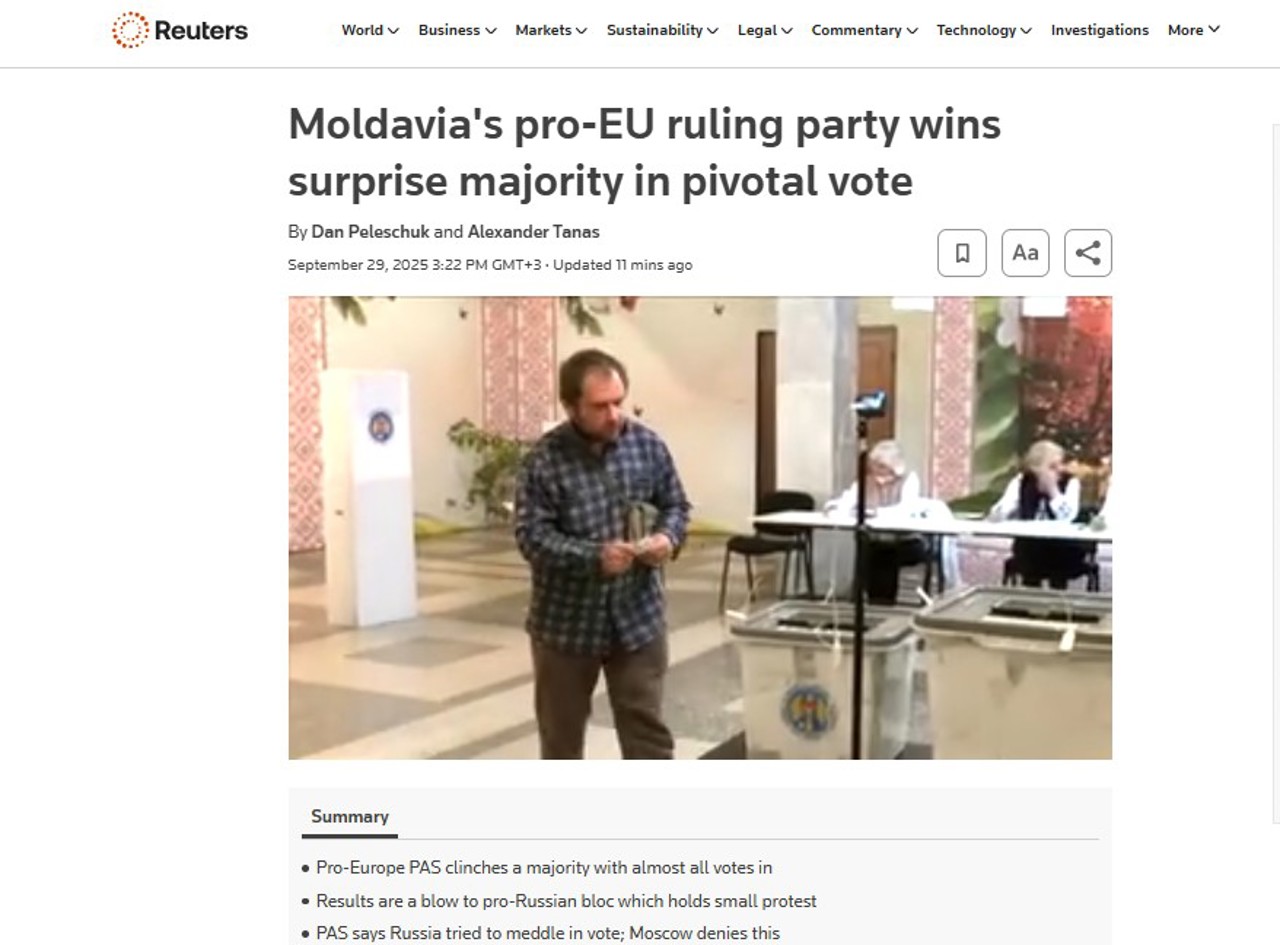
Reuters wrote that the PAS victory brought "relief to the government and its European partners, who accused Moscow of attempting to influence the vote."
The agency stated that the result of more than 50% for PAS compared to 24% for the "Patriotic" Bloc was considered a major success for the country's European aspirations.
Ukrainian media headlined: "How Sandu Defeated the Pro-Russians and What It Means."
According to the source, the election was considered an undeniable success for Moldova's pro-European orientation, even though pro-Russian parties secured a significant percentage of the votes. The publication emphasised that the PAS victory allows President Sandu and her team to form the Government and continue domestic reforms and European integration.
The Romanian press referred to statements by Prime Minister Dorin Recean, emphasising that the PAS victory was "very difficult, yet extraordinary," considering the efforts by Russia and criminal groups to derail the vote, scare people, and divide society.
Russian state agency TASS reported that the opposition had claimed to obtain the majority of votes, and Kommersant stated that the Kremlin promised to evaluate the poll "after all political forces express their position."
"First, the Moldovans themselves probably need to clarify the situation. As far as we know, some political forces have signalled possible violations. It would be wrong to make unfounded assessments now. Assessments must be made later, after we understand the political positions regarding the elections," Dmitry Peskov, the Kremlin leader's spokesman, told Kommersant.
Translation by Iurie Tataru