Moldova’s SEPA entry cuts euro transfer costs for citizens
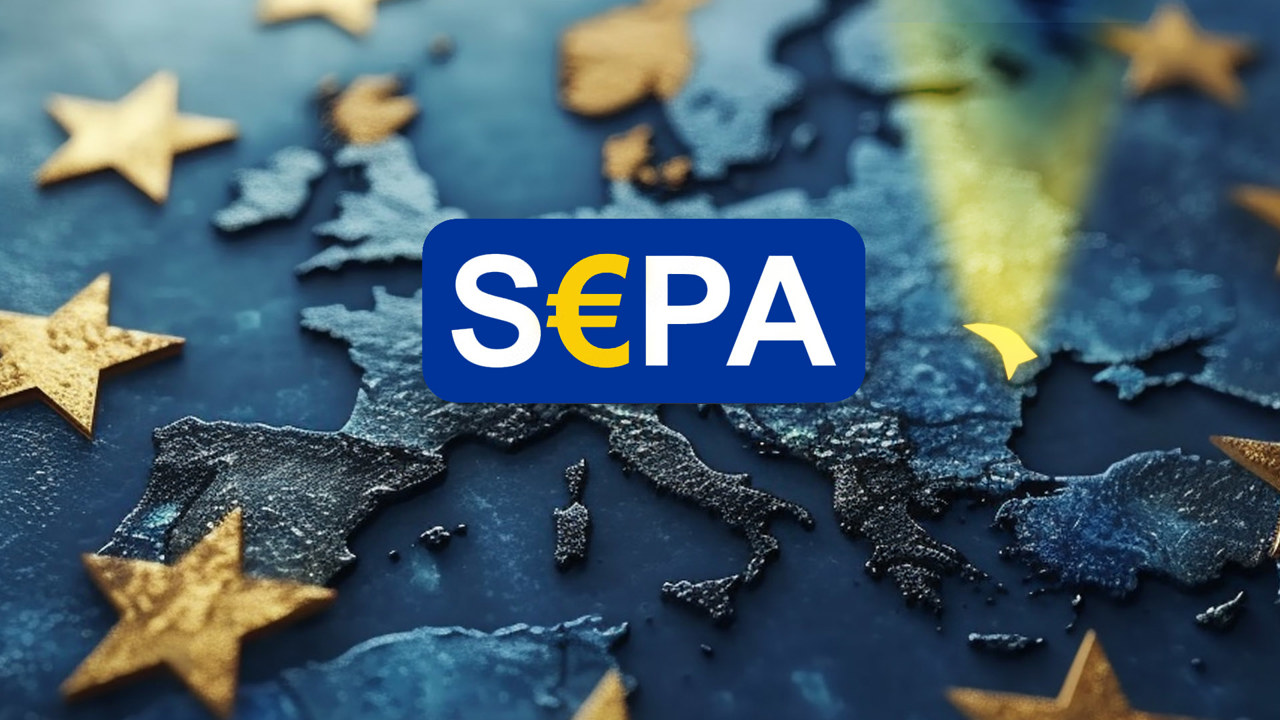
The Republic of Moldova became an operational member of the Single Euro Payments Area (SEPA) on Monday, 6 October.
The SEPA infrastructure unites 41 European countries, allowing euro transfers to be processed under the same conditions for cost, security and processing time, regardless of borders.
Moldova’s integration into SEPA is "a significant moment for the national financial system and a confirmation of the country's European path," said the Governor of the National Bank of Moldova (NBM), Anca Dragu.
"This achievement removes administrative barriers and brings direct European standards into the daily lives of citizens and businesses in the Republic of Moldova," Ms Dragu said.
What is SEPA?
SEPA is the European framework that enables euro transfers between payment systems in the participating countries under the same conditions regarding cost, security, and processing time, regardless of borders. SEPA unites all member states of the European Union (EU), the UK, countries in the European Economic Area (EEA), Switzerland, Andorra, Monaco, San Marino, and the Vatican.
Faster and cheaper transfers
By joining SEPA, euro transfers become faster, safer, and cheaper, sometimes even free of charge. While an international transfer could previously cost between 20 and 200 euros, it will now be processed at tariffs similar to those in the EU—just a few euros or free.
For diaspora families, SEPA also means faster and lower-cost remittances.
Benefits for companies and the economy
For businesses, SEPA integration removes administrative barriers, bringing Moldovan companies to the same level as their European counterparts, increasing the competitiveness of exports and facilitating investments.
Over 60% of Moldova's exports are directed towards the EU, and in 2024, approximately 830,000 euro transactions worth 11.8 billion euros were carried out.
At the macroeconomic level, the NBM estimates direct annual savings of about 20 million euros, money that will remain in the economy for investment and development.
Eight Moldovan banks join SEPA
Currently, eight commercial banks in the Republic of Moldova are already part of the SEPA system.
The NBM recommends that customers inform themselves about the transfer conditions, available services, and applicable tariffs.
The accession process began on 30 January last year, when the NBM submitted the official application to the European Payments Council (EPC). On 6 March 2025, the EPC approved Moldova's inclusion in the SEPA geographical area, and on 6 October 2025, the country became an operational member of the system.
In a video message, Governor Anca Dragu stressed that joining SEPA "is about people, about families who receive their money on time, about businesses that can trade in Europe with the same simplicity and security as anywhere in the EU, about an economy gaining speed, resources, and credibility."
This integration confirms the stability and modernity of the Republic of Moldova's financial system and sends a signal of confidence to European partners and international investors.
Translation by Iurie Tataru