Heavy rains battered Chisinau; city services respond to damage
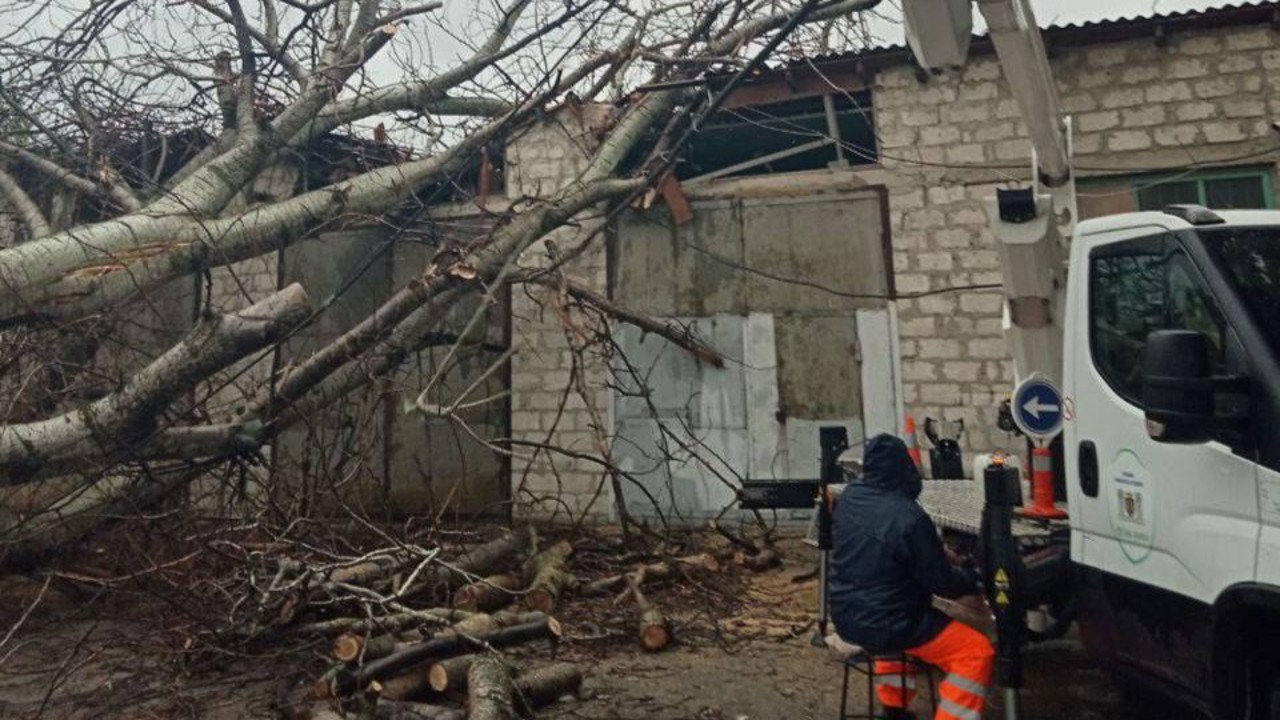
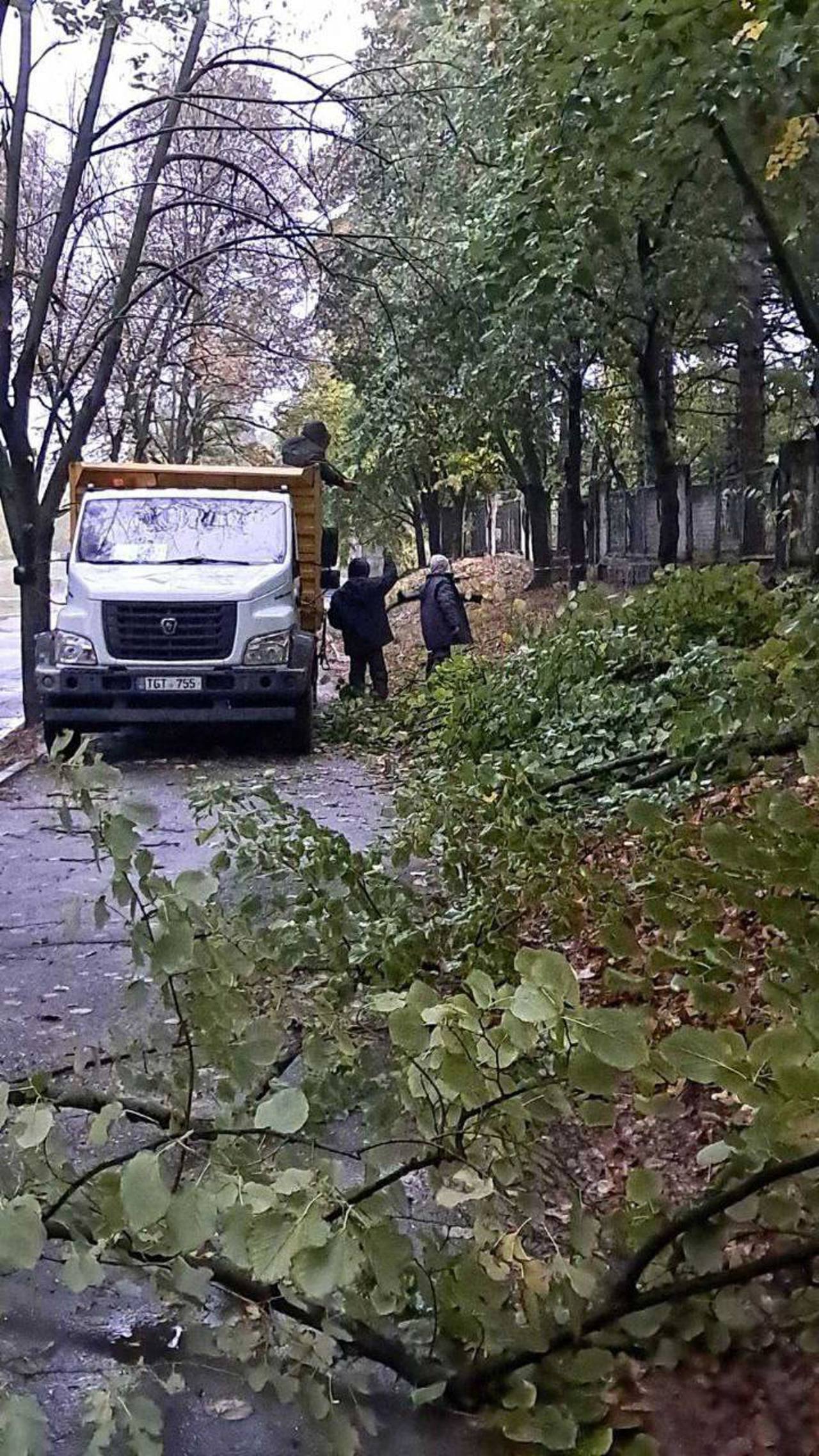
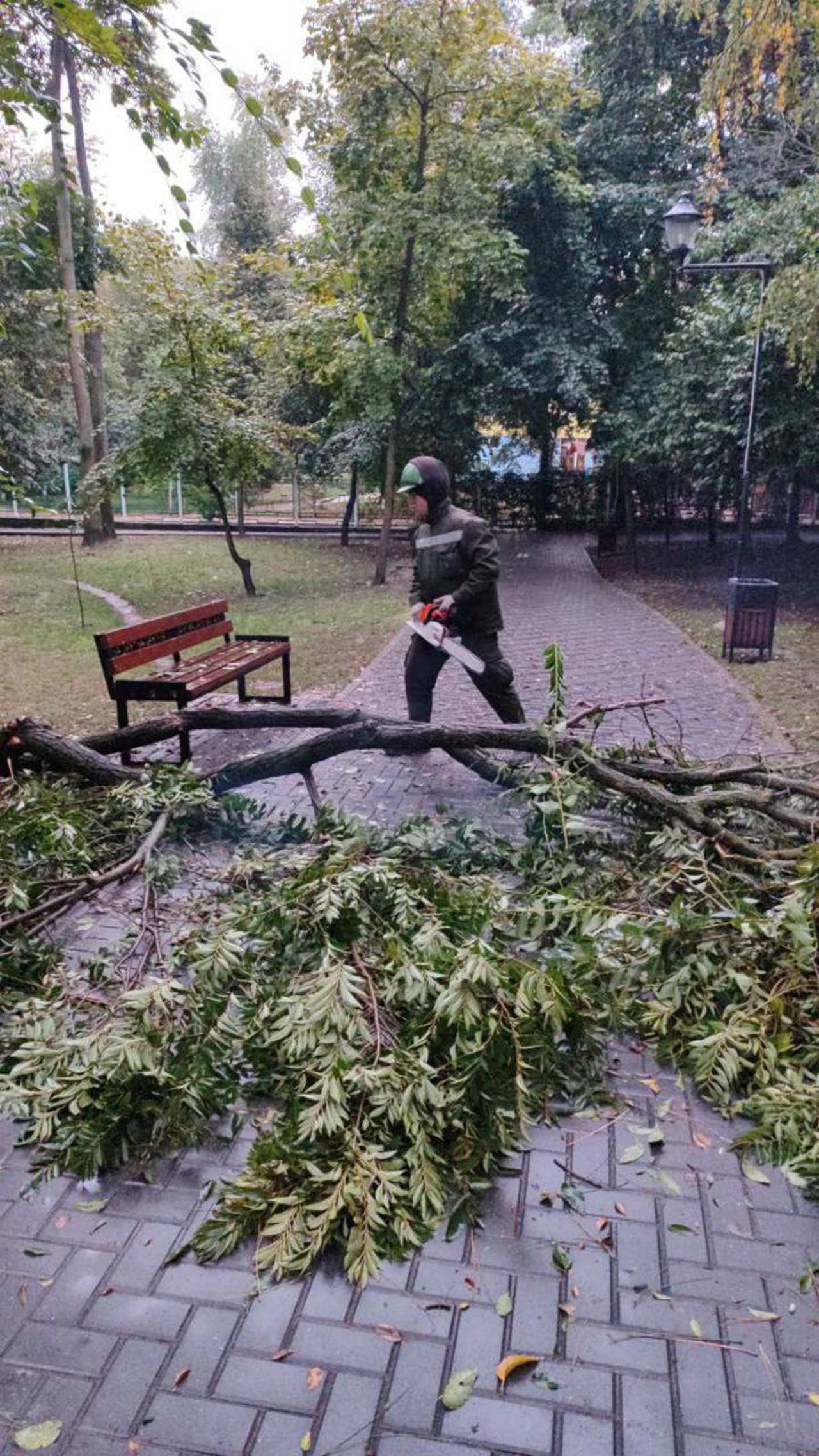
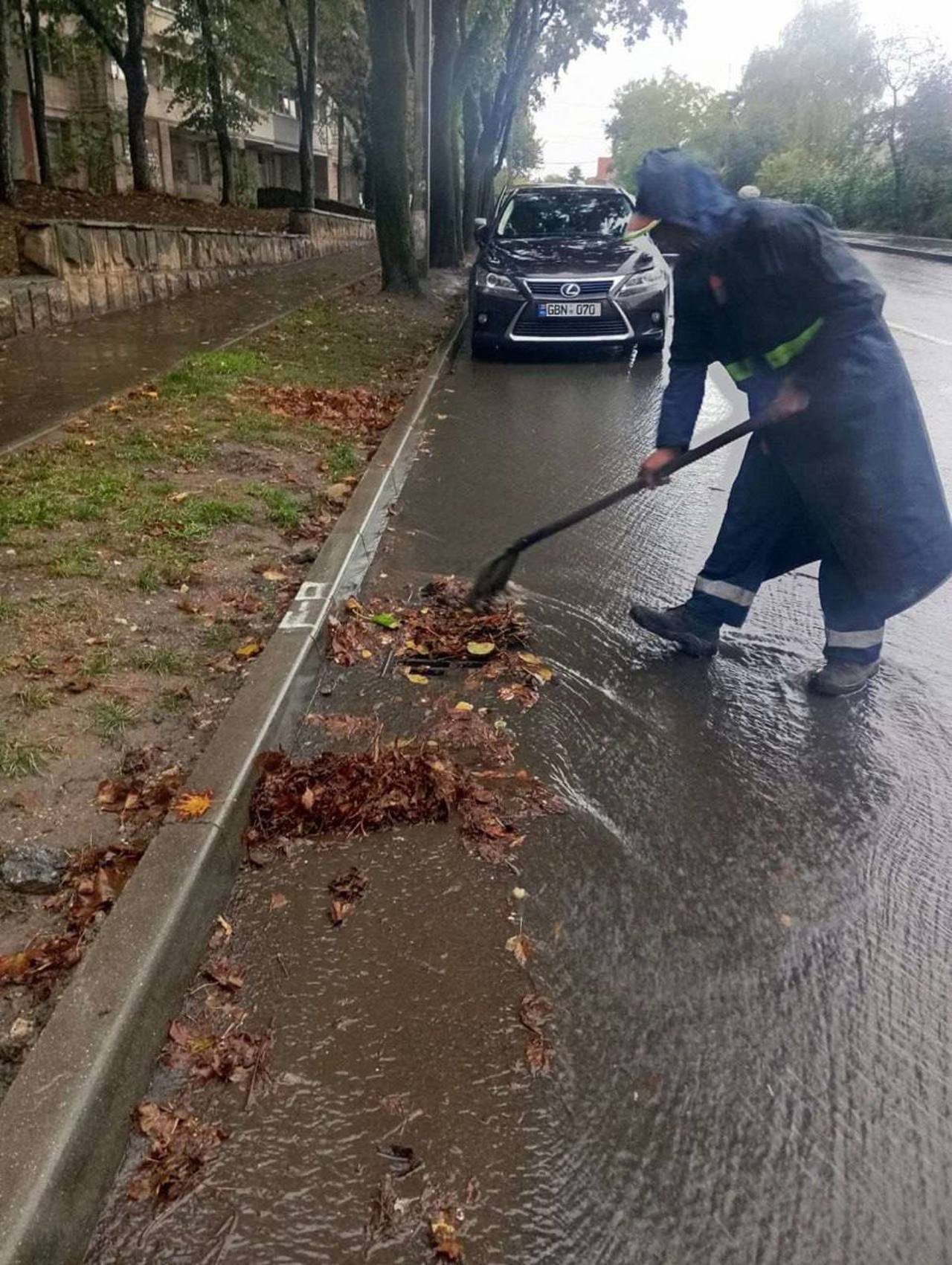
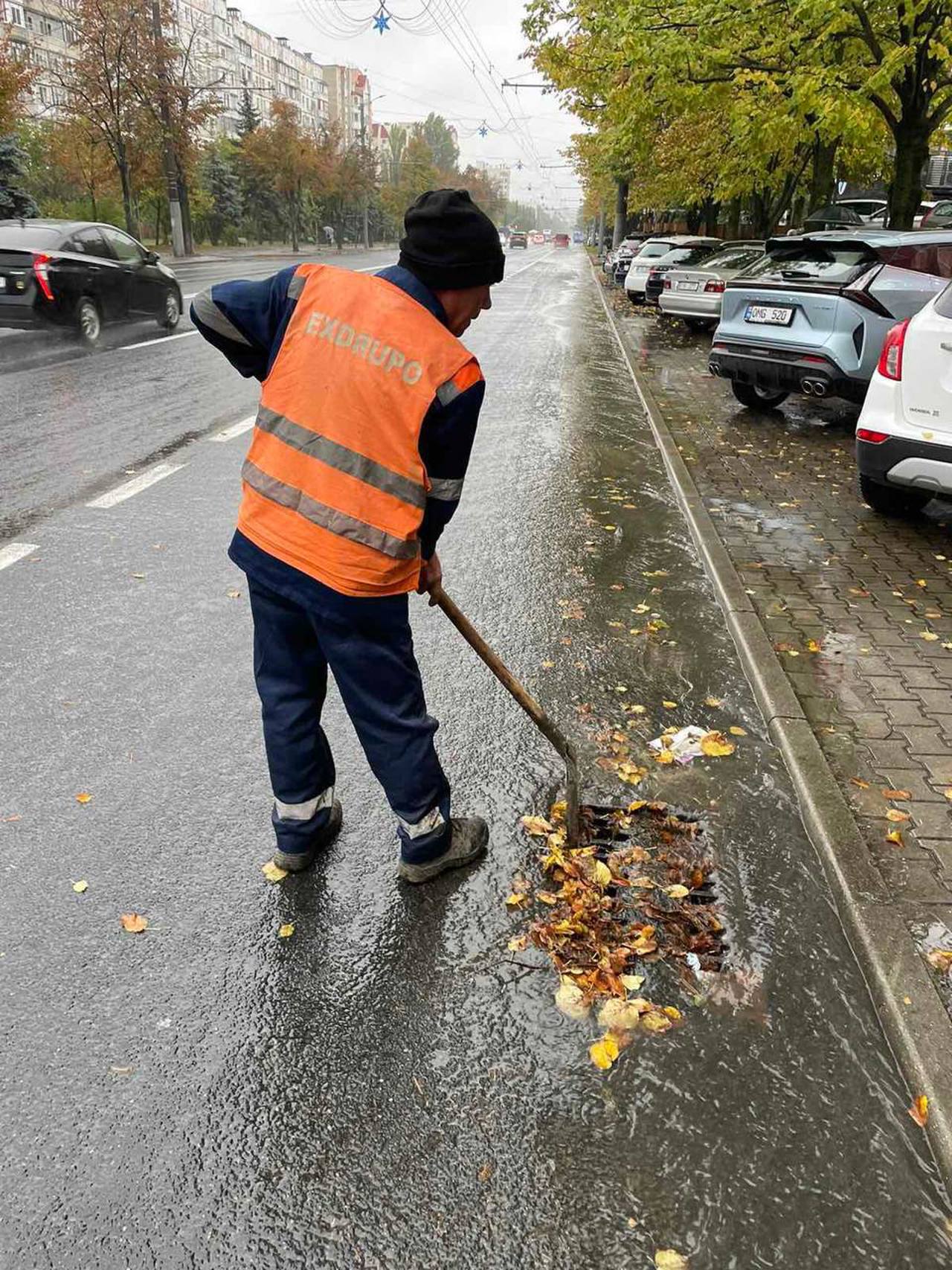
The municipal services of the Chisinau City Hall have taken action to address the aftermath of the heavy rains that have affected the capital. According to the municipal administration, specialized teams are currently working in various sectors of the city to clean the sewage systems, remove accumulated water from the roadways, and eliminate any obstacles caused by wind and precipitation.
The Chisinau City Hall reminds that the Yellow Rain Code remains valid for Wednesday, October 8.
The authorities recommend that citizens use public transport instead of personal cars, to avoid traffic congestion, and not to park on the side of the streets, on sidewalks or under old trees, to prevent possible incidents and allow the prompt intervention of specialized equipment.
In the event of problematic situations related to weather conditions, Chisinau residents are urged to contact the Central Municipal Dispatch at (022) 22-22-67 or (022) 22-26-04.
The General Inspectorate for Emergencies also recommends that citizens take shelter in safe places, away from electrical cables and trees, and supervise their children so that they are not in areas at risk of flooding.
Rescuers urge the population to cross the street only when they are certain it is safe to do so, avoiding passing in front of or behind parked vehicles to prevent accidents.
At the same time, drivers are asked to reduce speed, maintain a safe distance between vehicles and avoid sudden braking.
People living in sloping areas are advised to avoid places at risk of landslides, refrain from parking near watercourses or leaning trees, and stay away from these areas during rain.
In the event of an emergency, citizens are urged to call the 112 Service.
The State Hydrometeorological Service has issued a Yellow Code of Heavy Rainfall for the period of October 7-8 throughout the country.
During this period, long-lasting rains will be recorded, with water accumulations that will register between 15 and 49 liters per square meter. In isolated cases, they may reach values of 50–90 liters per square meter.